

In today’s digital landscape, SEO trust is more important than ever. Search engines like Google prioritize websites that demonstrate reliability, credibility, and authority. It’s not just about ranking for keywords; it’s about ensuring your website is trustworthy to users and search engines alike.
For businesses, bloggers, or marketers, understanding SEO trust is key to building a long-term, sustainable online presence. In this article, we will explore what SEO trust is, why it matters, how it is measured, strategies to improve it, and common mistakes to avoid.
What is SEO Trust?

SEO trust refers to the credibility and reliability of a website in the eyes of search engines and users. A site with high SEO trust signals that it is safe, authoritative, and valuable, increasing its chances of ranking higher in search results.
Trust is a cornerstone of Google’s algorithms, particularly in YMYL (Your Money, Your Life) niches like health, finance, or e-commerce, where misinformation can have serious consequences.
Key Components of SEO Trust
- Domain Authority and Backlinks
Links from reputable websites act as endorsements. High-quality backlinks signal that your site is trustworthy. - Content Quality and Accuracy
Well-researched, informative, and original content builds credibility. Avoid duplicate or misleading content. - Website Security (HTTPS)
Secure websites protect user data, which is a strong trust signal. - User Experience (UX)
Fast loading speeds, intuitive navigation, and mobile-friendly design improve trust. - Transparency and Credibility
Clear contact information, author bios, and policies (privacy, return, terms) enhance legitimacy.
Why SEO Trust Matters
Building SEO trust is essential for multiple reasons:
1. Higher Search Engine Rankings
Websites with strong SEO trust are favored by search engines, leading to higher organic rankings.
2. Better User Engagement
Users are more likely to stay on your site, explore content, and convert into leads or customers when they trust your website.
3. Increased Backlink Opportunities
Authoritative, trusted sites attract high-quality backlinks, further boosting SEO performance.
4. Reduced Risk of Penalties
Sites that follow ethical SEO practices are less likely to be penalized by search engines for spammy or black-hat tactics.
5. Sustainable Growth
Unlike short-term marketing strategies, SEO trust builds a foundation for long-term visibility and credibility.
How Search Engines Measure SEO Trust
Search engines evaluate multiple signals to determine whether a website is trustworthy:
- Backlink Quality
Not all links are equal. Links from authoritative, relevant sites increase trustworthiness. - Content Expertise, Authoritativeness, and Trustworthiness (E-A-T)
Google emphasizes E-A-T, especially for YMYL content. Expert authors, accurate citations, and authoritative content improve trust. - Website Security (HTTPS)
HTTPS ensures safe browsing, which is both a user and SEO trust signal. - User Behavior Metrics
Bounce rate, session duration, and repeat visits reflect user satisfaction, influencing trust metrics indirectly. - Technical SEO Factors
Proper site architecture, structured data, and fast load times signal reliability.
Strategies to Build SEO Trust

Building SEO trust requires a comprehensive approach encompassing content, technical optimization, and user experience.
1. Focus on High-Quality Content
- Create original, well-researched content
- Include references, citations, and expert opinions
- Regularly update outdated content
- Avoid misleading claims and duplicate content
2. Secure Your Website (HTTPS)
- Install SSL certificates across your site
- Ensure all forms, transactions, and pages are secure
- Display trust indicators for e-commerce or transactional pages
3. Optimize User Experience (UX)
- Improve page speed with caching, image optimization, and efficient hosting
- Ensure mobile responsiveness for all devices
- Simplify navigation with clear menus and call-to-action buttons
- Reduce intrusive ads, pop-ups, and auto-playing videos
4. Build High-Quality Backlinks
- Seek links from authoritative and relevant websites
- Guest post on reputable blogs
- Share content on social media and industry forums
- Avoid buying low-quality or spammy links
5. Demonstrate Transparency and Credibility
- Display full contact information and physical address
- Provide author bios and credentials
- Include clear privacy, return, and terms of service policies
- Showcase genuine customer reviews and testimonials
6. Maintain Technical SEO
- Ensure proper URL structure, header tags, and meta descriptions
- Use structured data for rich snippets
- Fix broken links and 404 errors
- Keep XML sitemaps updated for indexing
Common SEO Trust Mistakes to Avoid
To maintain and grow SEO trust, avoid these common pitfalls:
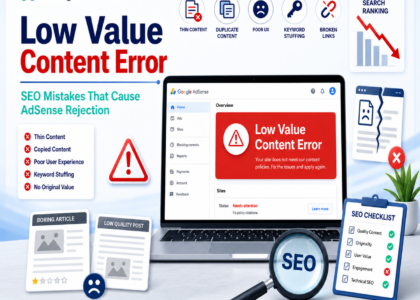
- Keyword Stuffing – Overusing keywords reduces readability and user trust.
- Duplicate Content – Copying content from other websites lowers authority.
- Spammy Backlinks – Low-quality links can lead to penalties.
- Neglecting Mobile Users – Non-responsive websites hurt rankings and trust.
- Ignoring Website Security – HTTP sites deter users and lower credibility.
- Misleading Information – False or clickbait claims erode trust.
Measuring SEO Trust
Key metrics to monitor SEO trust include:
- Domain Authority (DA) – Measures overall website strength and credibility
- Backlink Quality and Diversity – High-quality links from authoritative sites
- User Engagement Metrics – Bounce rate, time on site, pages per session
- Keyword Rankings – Performance of target keywords in search results
- Reviews and Reputation – Positive online reviews indicate credibility
Case Study: Building SEO Trust for an E-commerce Site

A mid-sized e-commerce website implemented SEO trust strategies:
- Migrated the site to HTTPS
- Added expert product descriptions with author credentials
- Acquired backlinks from authoritative review blogs
- Optimized mobile experience and site speed
Results after 6 months:
- 60% increase in organic traffic
- 45% increase in conversions from search engines
- Top 3 rankings for competitive keywords
- Improved customer trust and repeat visits
This demonstrates the tangible impact of focusing on SEO trust.
Future Trends in SEO Trust
The digital landscape is constantly evolving, and SEO trust is becoming more critical:
- AI-Generated Content Evaluation – Search engines are learning to assess quality and authenticity of AI content.
- Voice Search Optimization – Trustworthy content ranks better in voice search results.
- Enhanced E-A-T Signals – Google continues to refine algorithms emphasizing expertise, authority, and trustworthiness.
- Mobile-First Indexing – Mobile performance and usability directly affect trust metrics.
- User-Centric Metrics – Dwell time, click-through rate, and engagement signals will increasingly influence trust-based rankings.
Conclusion
SEO trust is no longer optional—it’s a necessity for any website aiming for long-term success. It combines website credibility, content quality, security, user experience, and technical optimization. Websites that invest in building trust are rewarded with higher search rankings, increased traffic, better user engagement, and sustainable growth.
By focusing on high-quality content, ethical SEO practices, technical optimization, and transparent communication, businesses can establish SEO trust that benefits both users and search engines.
Trust is the foundation of authority, and authority is the foundation of sustainable SEO success.