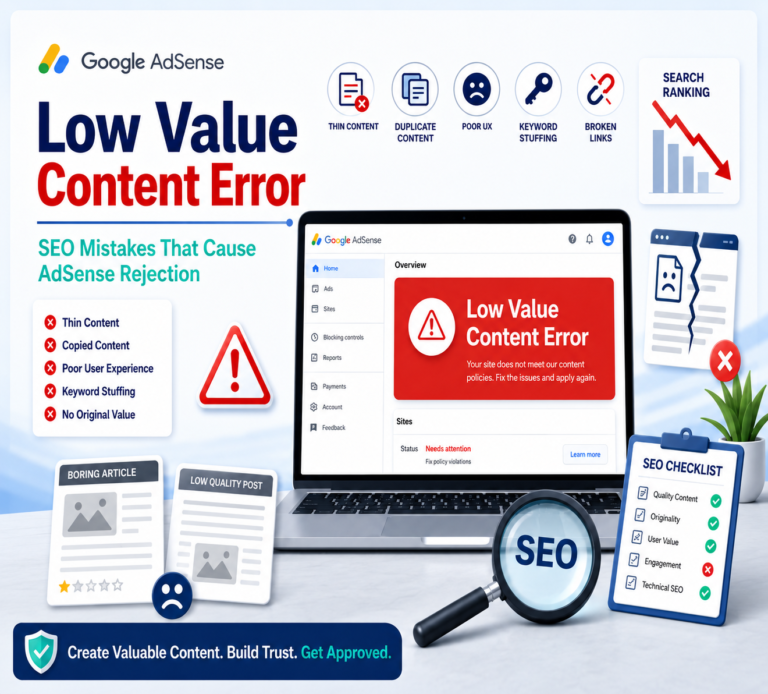

In the fast-evolving digital world, businesses are constantly competing to appear on the first page of search engine results. Search Engine Optimization (SEO) has become the cornerstone of online visibility, driving organic traffic, engagement, and revenue. However, not all SEO practices are created equal. The methods used to improve website rankings can significantly impact long-term success.
This is where white hat SEO techniques come into play. Unlike shortcuts or manipulative tactics, white hat SEO focuses on ethical, sustainable strategies that align with search engine guidelines. This article explores the key aspects of white hat SEO, the most effective techniques, its advantages over other SEO approaches, and how businesses can implement these strategies to achieve long-lasting online growth.
Understanding White Hat SEO
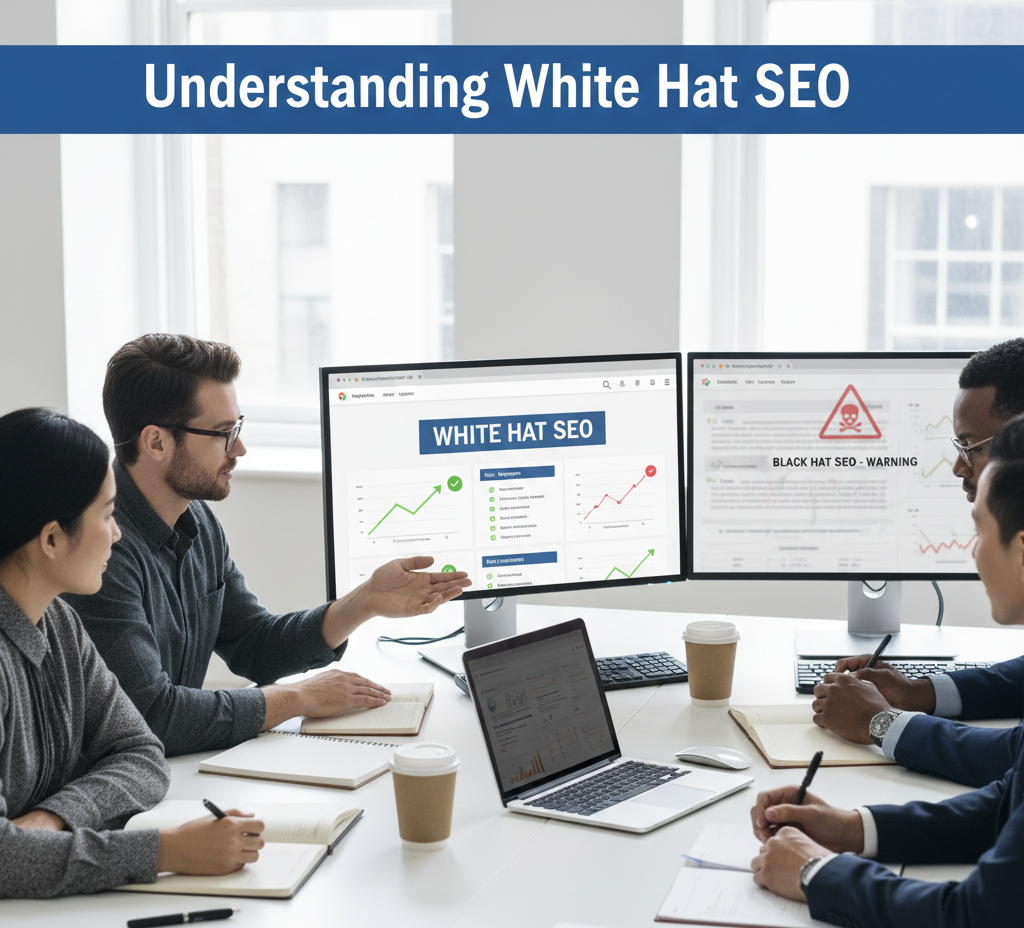
White hat SEO refers to optimization practices that comply with search engine guidelines, particularly Google’s Webmaster Guidelines. These techniques prioritize user experience, relevant content, and genuine engagement rather than manipulating search algorithms.
In contrast, black hat SEO uses deceptive practices like keyword stuffing, link schemes, or hidden text to boost rankings quickly. While black hat methods can deliver short-term gains, they carry high risks, including penalties, removal from search results, and damage to a brand’s reputation.
White hat SEO techniques focus on creating value for users, building trust with search engines, and developing a sustainable online presence. This ethical approach ensures that businesses not only rank higher but also maintain long-term credibility and authority in their niche.
Key Principles of White Hat SEO
Successful white hat SEO relies on several fundamental principles:
1. User-Focused Content
High-quality content is at the core of white hat SEO. Websites should provide informative, engaging, and relevant content that satisfies user intent. This includes:
- Comprehensive blog posts
- Product or service descriptions that answer customer questions
- Guides, tutorials, and resources relevant to the industry
By focusing on user needs, websites naturally attract backlinks, engagement, and social shares — all of which improve search engine rankings.
2. Ethical Link Building
Backlinks remain a major ranking factor, but the method of acquiring them matters. White hat SEO emphasizes:
- Guest blogging on reputable sites
- Earning natural backlinks through high-quality content
- Building relationships with influencers and industry authorities
This contrasts with black hat tactics like buying links, spamming comments, or using link farms, which can lead to penalties.
3. Keyword Optimization
Proper keyword research is essential. White hat SEO involves:
- Identifying relevant keywords with high user intent
- Placing keywords naturally in content, headings, meta tags, and URLs
- Avoiding keyword stuffing, which can harm readability and rankings
The goal is to align content with what users are searching for, not to trick search engines.
4. Mobile-Friendly and Responsive Design
With mobile devices generating the majority of web traffic, search engines prioritize mobile-friendly sites. White hat SEO ensures:
- Responsive design for smartphones and tablets
- Fast loading speeds
- Easy navigation and usability across devices
A positive user experience contributes directly to higher engagement and improved rankings.
5. Ethical Technical SEO
Technical SEO ensures that search engines can crawl, index, and understand a website. White hat practices include:
- Proper URL structure and site hierarchy
- Optimized meta tags and schema markup
- Secure HTTPS encryption
- Eliminating broken links and duplicate content
These steps improve site visibility while adhering to search engine standards.
Popular White Hat SEO Techniques

Here are the most effective and widely used white hat SEO techniques:
1. High-Quality Content Creation
Creating informative, unique, and valuable content is the backbone of white hat SEO. This includes:
- Blog posts addressing common customer questions
- Long-form guides or tutorials
- Infographics, videos, and interactive content
High-quality content encourages engagement, reduces bounce rates, and naturally attracts backlinks.
2. On-Page SEO Optimization
On-page SEO involves optimizing individual web pages to rank higher and attract relevant traffic. Key techniques include:
- Crafting descriptive and compelling title tags and meta descriptions
- Using header tags (H1, H2, H3) to structure content
- Including relevant internal and external links
- Adding image alt text for accessibility and SEO
These strategies improve content clarity for both users and search engines.
3. Mobile Optimization
Ensuring your website is responsive and mobile-friendly is crucial. Mobile optimization includes:
- Adaptive design for various screen sizes
- Fast-loading pages
- Touch-friendly buttons and easy navigation
A mobile-friendly site not only improves user experience but also positively impacts Google rankings.
4. Ethical Link Building
White hat link-building focuses on quality over quantity:
- Creating shareable, high-value content that earns natural backlinks
- Guest posting on relevant, reputable websites
- Reaching out to influencers and industry leaders for collaboration
This strengthens domain authority without risking penalties.
5. Site Speed Optimization
Website speed is a ranking factor. White hat SEO ensures fast loading times through:
- Optimized images
- Minified CSS and JavaScript
- Browser caching and content delivery networks (CDNs)
Faster sites improve user satisfaction and reduce bounce rates.
6. Local SEO Practices
For businesses targeting a specific geographic area, local SEO is vital:
- Optimizing Google My Business listings
- Encouraging positive customer reviews
- Creating localized content with relevant keywords
These strategies help businesses appear in local search results and attract nearby customers.
7. User Experience (UX) Enhancement
Good UX is essential for retaining visitors. White hat SEO focuses on:
- Intuitive navigation
- Clear call-to-action buttons
- Readable fonts and design
- Reducing pop-ups and intrusive ads
A seamless experience keeps users engaged, encouraging repeat visits and conversions.
Advantages of White Hat SEO Techniques

Implementing white hat SEO offers numerous long-term benefits:
1. Sustainable Rankings
Unlike black hat tactics, white hat SEO ensures long-lasting search engine rankings by following search engine guidelines.
2. Avoid Penalties
White hat practices prevent penalties from search engines, which can occur when using unethical or manipulative tactics.
3. Enhanced User Trust
Websites that provide valuable content, clear navigation, and secure browsing earn the trust of users, leading to higher engagement and conversions.
4. Increased Organic Traffic
By targeting relevant keywords and creating high-quality content, websites attract organic visitors who are more likely to convert into customers.
5. Brand Authority and Credibility
Consistently producing useful content and maintaining ethical SEO practices establishes the website as a reliable source of information, boosting brand credibility.
White Hat SEO vs. Black Hat SEO
Understanding the difference between white hat and black hat SEO is essential for long-term digital marketing success:
| Aspect | White Hat SEO | Black Hat SEO |
|---|---|---|
| Compliance | Follows search engine guidelines | Violates guidelines for quick gains |
| Risk Level | Low risk, sustainable results | High risk, potential penalties |
| Techniques Used | Quality content, natural link building, UX | Keyword stuffing, link schemes, cloaking |
| Results Timeline | Gradual, long-term | Quick but short-lived |
| User Experience | Positive, engaging | Often poor and manipulative |
Choosing white hat SEO ensures sustainable growth, credibility, and long-term business success.
Implementing White Hat SEO Techniques for Your Website
To implement effective white hat SEO:
- Conduct a comprehensive website audit to identify technical and content-related issues.
- Perform keyword research to target high-intent, relevant search terms.
- Create high-quality content tailored to user intent and search demand.
- Optimize on-page elements such as meta tags, headings, and internal links.
- Improve technical SEO with fast-loading pages, secure HTTPS, and proper site architecture.
- Build ethical backlinks through guest posts, partnerships, and shareable content.
- Focus on UX and mobile-friendliness to improve engagement and retention.
- Monitor performance with analytics tools to track traffic, rankings, and conversions.
By following these steps, businesses can maximize the benefits of white hat SEO while avoiding penalties and maintaining a strong online presence.
Conclusion
White hat SEO techniques are essential for businesses that want sustainable online success. By focusing on ethical, user-centered strategies, websites can achieve higher search rankings, increased organic traffic, improved conversions, and stronger brand authority.
While black hat SEO may offer short-term results, white hat practices ensure long-term growth, credibility, and trust with both users and search engines. Investing in these techniques not only boosts your website’s performance but also secures a competitive advantage in today’s crowded digital landscape.
For any business looking to thrive online, adopting white hat SEO is not just a choice — it’s a necessity.