
Relevance SEO is the cornerstone of modern search engine optimization. In an era where search engines prioritize user intent and meaningful content, relevance determines whether your website appears in front of the right audience. Simply creating content is no longer enough; pages must provide value, match user intent, and align closely with search queries.
This article explores relevance SEO, its importance, how search engines measure relevance, strategies to improve it, tools to monitor performance, and best practices for 2026. Written for proper SEO and high readability, this guide is ideal for marketers, website owners, and content creators.
What is Relevance SEO?
Relevance SEO refers to the practice of optimizing website content to ensure it aligns with the search intent of users. In simple terms, a page is relevant when it answers the query, provides valuable information, and meets the expectations of the searcher.
Search engines like Google evaluate relevance using sophisticated algorithms that consider keywords, context, user behavior, content depth, and semantic understanding.
Relevance SEO goes beyond keyword placement. It includes:
- Topic alignment with search intent
- Contextual meaning within content
- Content depth and completeness
- Structured data and semantic relationships
By prioritizing relevance, websites improve rankings, attract the right audience, and increase engagement.
Why Relevance SEO is Important
Relevance SEO is critical for several reasons:
- Higher Rankings: Search engines reward content that best matches user intent.
- Better User Experience: Relevant content keeps users engaged, reducing bounce rates.
- Increased Conversions: Pages aligned with search intent attract high-quality leads more likely to convert.
- Long-Term Sustainability: Relevance-focused content maintains value even after algorithm updates.
- Authority and Credibility: Websites providing precise, well-researched answers establish trust.
In 2026, relevance is arguably the most important ranking factor, as search engines increasingly prioritize content that satisfies real user needs.
How Search Engines Measure Relevance
Search engines use multiple methods to assess content relevance:
1. Keyword and Semantic Matching
Keywords are still important, but search engines now consider context and semantics:
- Primary Keywords: Ensure content matches main search terms.
- LSI Keywords (Latent Semantic Indexing): Related terms help search engines understand the topic.
- Synonyms and Variations: Natural language variations improve relevance.
For example, a page targeting “relevance SEO” might also include phrases like “search intent optimization,” “content relevance,” and “SEO best practices.”
2. User Intent Alignment
User intent refers to what the searcher wants to accomplish. Search engines classify intent into:
- Informational: Seeking knowledge (e.g., “what is relevance SEO”)
- Navigational: Looking for a specific website or brand
- Transactional: Ready to make a purchase
- Local: Searching for nearby businesses or services
Content that closely aligns with the dominant intent of a query ranks higher in search results.
3. Content Depth and Completeness
Search engines evaluate whether a page fully addresses a topic:
- Comprehensive coverage of subtopics
- Step-by-step guides, tutorials, or explanations
- Use of images, tables, or videos to enhance understanding
- Inclusion of FAQs and common questions
Pages that provide thorough answers demonstrate expertise and relevance.
4. User Engagement Signals
Search engines use engagement metrics as indicators of relevance:
- Click-Through Rate (CTR): Higher CTR suggests users find the page relevant.
- Bounce Rate: A low bounce rate indicates content meets expectations.
- Dwell Time: Longer time on page suggests valuable, relevant content.
- Scroll Depth: Pages where users read or scroll through content are seen as more useful.
High engagement reinforces the page’s alignment with user needs.
5. Topical Authority
Search engines favor websites recognized as experts in a niche:
- Publishing multiple, interlinked pages on related topics
- Demonstrating expertise through case studies, research, or statistics
- Gaining backlinks from authoritative sites in the same field
Topical authority signals relevance across a broader subject area.
Strategies to Improve Relevance SEO
Optimizing for relevance requires a structured approach across content, technical SEO, and user experience.
1. Perform Intent-Focused Keyword Research
- Identify the dominant user intent for target keywords
- Use tools like Google Keyword Planner, Ahrefs, or SEMrush
- Group keywords by intent (informational, transactional, navigational)
- Target long-tail keywords to capture specific searches
2. Create High-Quality, Comprehensive Content
- Cover topics in-depth with subheadings and structured formats
- Include examples, case studies, or actionable tips
- Add multimedia elements (images, videos, charts) to improve understanding
- Update content regularly to maintain accuracy and freshness
3. Optimize On-Page Elements
- Title Tags and Meta Descriptions: Reflect intent and include primary keywords
- Headers (H1, H2, H3): Organize content logically and include relevant terms
- Internal Linking: Link to related pages to improve topical relevance
- URL Structure: Use descriptive URLs with main keywords
4. Implement Structured Data
Structured data (schema markup) helps search engines understand content:
- Use Article, FAQ, or HowTo schema for informational pages
- Apply Product or Service schema for e-commerce and business pages
- Highlight key information like ratings, pricing, and events
Schema enhances visibility through rich results and improves relevance signals.
5. Build Relevant Backlinks
- Seek backlinks from websites within the same niche or industry
- Focus on authoritative and trustworthy domains
- Use contextual links within relevant content rather than generic placements
- Guest posting and influencer collaborations can enhance topical relevance
6. Enhance User Experience
- Ensure fast page loading speeds
- Design mobile-friendly, responsive layouts
- Improve navigation and readability
- Use clear CTAs aligned with the page’s intent
A positive user experience reinforces content relevance and boosts rankings.
7. Monitor and Analyze Performance
Track relevance metrics and adjust strategies:
- Google Analytics: Monitor traffic, bounce rate, dwell time, and conversions
- Search Console: Track impressions, clicks, and keyword performance
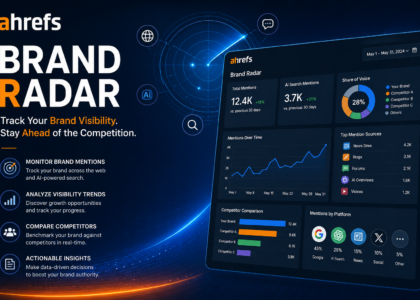
- SEO Tools: Ahrefs, SEMrush, and Moz provide insights into keyword relevance and competitor analysis
Regular monitoring ensures that content remains relevant and aligned with evolving search intent.
Common Mistakes That Reduce Relevance SEO
- Keyword Stuffing: Overusing keywords disrupts readability and decreases relevance.
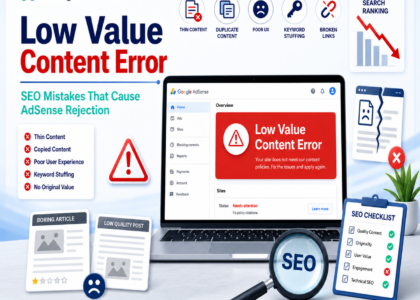
- Thin Content: Pages with minimal information fail to satisfy user intent.
- Ignoring Search Intent: Focusing only on keywords rather than intent reduces rankings.
- Outdated Information: Irrelevant or outdated content signals poor quality.
- Lack of Engagement Features: No multimedia, examples, or actionable insights lowers user satisfaction.
Avoiding these mistakes helps maintain high relevance and improves SEO performance.
The Role of AI and Semantic Search in Relevance SEO
AI-powered search engines analyze content semantically rather than just keyword matching:
- Contextual Understanding: AI interprets content meaning and relevance
- User Behavior Analysis: Algorithms assess dwell time, CTR, and engagement
- Natural Language Processing (NLP): Helps search engines understand synonyms and related concepts
In 2026, AI-driven relevance SEO ensures content satisfies user intent, not just keyword queries.
Emerging Trends in Relevance SEO 2026
- Voice Search Optimization: Users speak queries naturally; content must match conversational intent
- Video and Visual Search: Incorporating multimedia enhances relevance
- Hyper-Personalization: Search engines consider user history, location, and preferences
- E-A-T Principle (Expertise, Authority, Trustworthiness): Google increasingly evaluates credibility for content relevance
Adapting to these trends ensures content maintains relevance in evolving search algorithms.
Conclusion
Relevance SEO is the foundation of modern digital marketing. It goes beyond keywords to focus on user intent, content quality, topical authority, and engagement signals. By creating comprehensive, high-quality content, optimizing on-page elements, building authoritative backlinks, and enhancing user experience, businesses can achieve higher search engine rankings.
In 2026, relevance will continue to dominate SEO strategies. AI, semantic search, and user-centric metrics make it essential for websites to align content with intent, provide value, and remain updated. Businesses that master relevance SEO will attract the right audience, increase engagement, and outperform competitors in search results.
Focusing on relevance ensures sustainable organic growth, improved user satisfaction, and long-term success in the ever-evolving digital landscape.