
In the world of digital marketing, SEO is a powerful tool to improve website visibility, drive organic traffic, and grow online presence. However, not all SEO practices are ethical. Black hat SEO refers to tactics that manipulate search engines in ways that violate their guidelines. These practices may provide short-term gains, but they carry significant risks, including penalties, de-indexing, and permanent damage to a website’s reputation.
If you encounter black hat SEO being used against your website or notice competitors leveraging unethical techniques, it’s crucial to know how to report black hat SEO to Google and protect your website. This guide covers everything from understanding black hat SEO, identifying malicious tactics, to reporting them effectively, and safeguarding your own digital assets.
What is Black Hat SEO?
Black hat SEO involves techniques that aim to manipulate search engine rankings without providing real value to users. These methods exploit loopholes in search engine algorithms and violate guidelines set by search engines like Google.
Common Black Hat SEO Techniques
- Keyword Stuffing: Overloading web pages with excessive keywords to manipulate ranking.
- Cloaking: Presenting different content to search engines than what users see.
- Hidden Text and Links: Hiding keywords or links in the website’s code or design.
- Private Blog Networks (PBNs): Using a network of low-quality sites to generate backlinks.
- Link Farms and Spam Links: Artificially inflating backlinks from irrelevant or low-quality sites.
- Duplicate Content: Copying content from other websites to manipulate rankings.
- Automated Content: Using AI or bots to generate low-quality content solely for ranking.
Black hat SEO may boost rankings temporarily, but Google’s algorithm updates, such as Panda, Penguin, and Core updates, can detect these practices and penalize offending websites.
Why Reporting Black Hat SEO Matters
Reporting black hat SEO protects your website and the integrity of search results. Some key reasons to report unethical SEO practices include:
- Protect Your Rankings: Malicious tactics from competitors can negatively affect your website’s SEO performance.
- Prevent Penalties: Identifying and reporting unethical practices helps Google take action against violators.
- Promote Fair Competition: Ensures that businesses compete using legitimate strategies.
- Maintain User Trust: Low-quality or spammy sites hurt user experience and credibility.
By taking proactive action, you contribute to a healthier search ecosystem and protect your online presence.
Identifying Black Hat SEO Practices
Before reporting, it’s important to verify that the activity violates Google’s Webmaster Guidelines. Some signs of black hat SEO include:
- Unnatural Backlink Profiles: Sudden spikes in backlinks from irrelevant, spammy, or low-authority domains.
- Duplicate or Stolen Content: Content copied from other websites without authorization.
- Keyword Manipulation: Excessive or irrelevant keyword insertion on competitor pages.
- Cloaking or Sneaky Redirects: Web pages redirect users to a different URL than what is shown to search engines.
- Hidden Links or Text: Links or keywords invisible to users but intended for search engines.
Tools such as Google Search Console, Ahrefs, SEMrush, or Moz can help analyze backlinks, content duplication, and competitor SEO practices.
How to Report Black Hat SEO to Google
Google provides official channels to report violations of its Webmaster Guidelines.
1. Use Google’s Spam Report Form
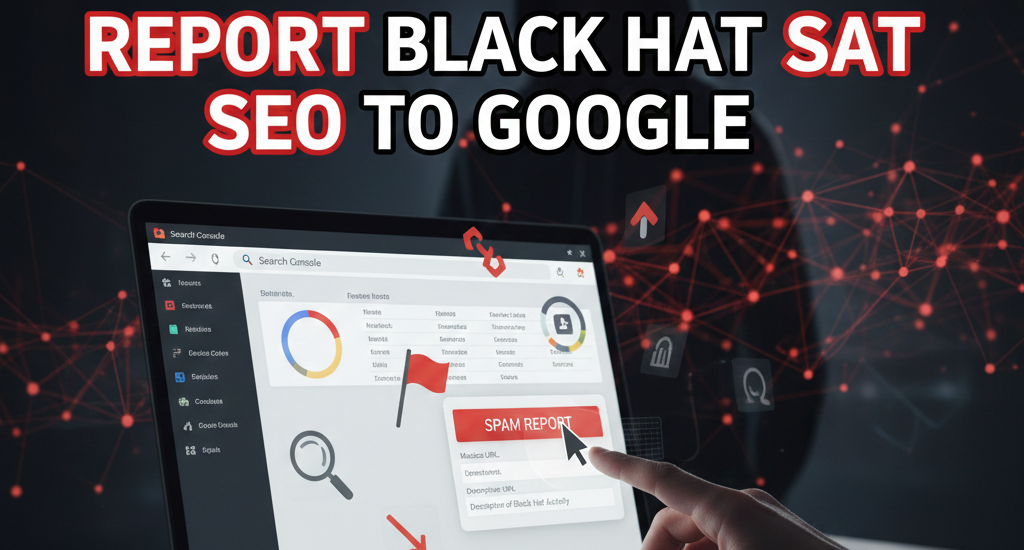
Google maintains a dedicated web spam report form where users can report black hat SEO practices. Steps:
- Go to Google’s web spam report page.
- Select the type of spam: keyword stuffing, link schemes, cloaking, or other violations.
- Provide the URL of the offending site or page.
- Include specific details and evidence (screenshots, examples, or backlink analysis).
- Submit the report.
Google reviews submissions and investigates reported websites, taking action when guidelines are violated.
2. Reporting Paid Link or Link Schemes
If a website is selling or buying links to manipulate PageRank:
- Use Google’s paid link spam report tool.
- Include the URL of the site linking to you or involved in the scheme.
- Provide evidence such as screenshots or communication records.
3. Reporting Copyright or Content Theft
If black hat SEO involves content theft:
- Use Google’s DMCA complaint form to report copyright infringement.
- Submit URLs of both the original content and the offending page.
- Include proof of original authorship.
Gathering Evidence Before Reporting
Before submitting a report, gather supporting evidence to strengthen your claim:
- Screenshots of the offending content or site
- Date-stamped records of link manipulation
- URLs of duplicate content or hidden pages
- Backlink reports highlighting suspicious patterns
- Analysis of keyword stuffing or spam content
Clear evidence increases the likelihood that Google will investigate and take action.
Protecting Your Website from Competitor Black Hat SEO
Even after reporting, it’s important to safeguard your website proactively.
1. Monitor Backlinks
Regularly check your backlink profile for unusual spikes or suspicious links. Disavow toxic backlinks using Google Search Console to prevent penalties.
2. Audit Content
Ensure your content is unique, high-quality, and user-focused. Avoid duplication and maintain consistent publishing standards.
3. Optimize On-Page SEO
Use legitimate SEO practices: keyword optimization, meta tags, descriptive URLs, and structured data. Quality on-page SEO strengthens your site against manipulative tactics.
4. Track Rankings and Traffic
Use analytics tools to monitor traffic patterns and keyword rankings. Sudden drops may indicate competitor attacks or negative SEO tactics.
5. Stay Updated
Follow Google Webmaster Guidelines and SEO best practices. Algorithm updates may affect how black hat practices are detected and penalized.
Understanding Google’s Response
After submitting a report, Google may:
- Investigate the website for guideline violations
- Apply manual penalties to the offending site
- Adjust rankings to remove unfair advantages
- Take no action if insufficient evidence is provided
It’s important to note that Google does not disclose outcomes of individual reports. Focus on submitting accurate and detailed reports rather than expecting immediate resolution.
The Difference Between Black Hat and Negative SEO
While black hat SEO is used to boost one’s own rankings unethically, negative SEO is a tactic where competitors try to harm your website’s rankings. Examples include:
- Creating spammy backlinks to your website
- Scraping your content and publishing it elsewhere
- Generating fake reviews or complaints
Reporting both black hat and negative SEO to Google helps maintain fair competition and protects your website’s authority.
Best Practices for Ethical SEO
While combating black hat SEO, it’s essential to maintain white hat SEO practices for your own site:
- Create valuable, original content for users
- Optimize metadata, titles, and descriptions naturally
- Build genuine backlinks through outreach and partnerships
- Ensure mobile-friendliness and fast page load times
- Use structured data and schema for better indexing
Ethical SEO protects your website from penalties and ensures long-term sustainability.
Conclusion
Black hat SEO undermines the integrity of search engines and can have serious consequences for websites. Understanding how to report black hat SEO to Google empowers you to protect your site, promote fair competition, and maintain a trustworthy online presence.
By identifying unethical tactics, gathering solid evidence, and submitting detailed reports through Google’s official channels, website owners can take action against manipulative practices. At the same time, implementing ethical SEO practices and monitoring your website ensures long-term success and resilience against negative SEO attacks.
Protecting your website starts with awareness, vigilance, and proactive reporting—making Google’s web ecosystem safer and more reliable for everyone.