In the competitive world of digital marketing, understanding ranking factor SEO is essential for businesses, content creators, and marketers who want to increase visibility on search engines. Search engines like Google use hundreds of factors to determine the position of a website on search engine results pages (SERPs). Optimizing your website according to these ranking factors can significantly improve organic traffic, user engagement, and conversions.
This article provides a comprehensive guide to ranking factor SEO, explaining what it is, why it matters, the most important ranking factors in 2026, and actionable strategies to improve your website’s search performance.
What Is Ranking Factor SEO?
Ranking factor SEO refers to the practice of optimizing your website based on the specific criteria that search engines consider when determining rankings. These factors guide search engines in evaluating:
- Relevance of content to search queries
- Authority and trustworthiness of the website
- User experience and engagement signals
By understanding and implementing these ranking factors, you can create a website that not only attracts visitors but also satisfies search engine requirements for higher rankings.
Why Ranking Factors Matter
Optimizing your website according to ranking factors is critical for several reasons:
1. Higher Search Engine Visibility
By aligning your website with Google’s ranking factors, you increase the likelihood of appearing on the first page of search results.
2. Increased Organic Traffic
Websites that follow ranking factor SEO attract more visitors naturally, reducing reliance on paid advertising.
3. Better User Experience
Ranking factors often focus on site speed, mobile-friendliness, and navigation, ensuring users have a smooth experience.
4. Improved Brand Credibility
High-ranking websites are perceived as trustworthy and authoritative, enhancing your brand reputation.
5. Higher Conversions
Ranking well for targeted keywords means attracting visitors who are more likely to engage, subscribe, or make purchases.
Top SEO Ranking Factors in 2026
Search engines use a wide range of factors, but some have a more significant impact on rankings than others.
1. High-Quality Content
Content remains king in SEO. High-quality content should:
- Address user intent clearly
- Be original, informative, and engaging
- Include primary and secondary keywords naturally
- Feature headings, bullet points, and multimedia for readability
Search engines reward content that satisfies users’ queries effectively.
2. Keyword Optimization
Effective use of keywords includes:
- Primary keywords in titles, headings, and meta descriptions
- Long-tail keywords to target specific queries
- Semantic keywords to support content relevance
Avoid keyword stuffing, as it harms readability and SEO performance.
3. Backlinks and Authority
Backlinks from reputable websites signal trust and authority to search engines.
- Quality over quantity matters: links from authoritative sources carry more weight
- Internal linking helps distribute page authority across your site
- Regularly audit links to remove broken or low-quality backlinks
4. Mobile-Friendliness
With the majority of users browsing on mobile devices, mobile optimization is critical.
- Responsive design adapts to various screen sizes
- Mobile speed impacts user experience and ranking
- AMP (Accelerated Mobile Pages) can further enhance mobile performance
5. Page Load Speed
Slow websites negatively impact both SEO and user retention. Optimize by:
- Compressing images
- Minimizing JavaScript and CSS
- Using browser caching and CDN services
6. User Experience Signals
Search engines measure user engagement to evaluate content quality. Important metrics include:
- Bounce rate
- Average session duration
- Pages per session
- Click-through rate (CTR) from SERPs
Improving UX signals can indirectly boost rankings.
7. On-Page SEO Elements
On-page optimization ensures search engines can understand your content. Key elements include:
- Optimized meta titles and descriptions
- Header tags (H1, H2, H3) for content structure
- Image alt text for accessibility and keyword relevance
- Clean URLs with descriptive keywords
8. Technical SEO
Technical SEO ensures your website is crawlable and indexable. Key practices include:
- XML sitemap submission
- Robots.txt optimization
- HTTPS security
- Structured data (Schema markup) for rich snippets
9. Content Freshness
Search engines prefer up-to-date content. Update blogs, product pages, and articles regularly to maintain relevance.
10. Social Signals
While indirect, social media engagement can influence traffic and awareness:
- Shares and mentions can drive referral traffic
- Popular content signals relevance to search engines
How to Implement Ranking Factor SEO Effectively
Optimizing for ranking factors requires a holistic approach:
1. Conduct an SEO Audit
- Identify technical issues, broken links, and duplicate content
- Evaluate keyword performance and site structure
- Assess page speed and mobile responsiveness
2. Create High-Quality, Keyword-Optimized Content
- Focus on user intent and value
- Include headings, lists, images, and videos
- Use keywords naturally in content, meta tags, and URLs
3. Build a Strong Backlink Profile
- Reach out to relevant, authoritative websites
- Use guest posting, collaborations, and PR campaigns
- Maintain a clean, reputable link profile
4. Optimize User Experience
- Improve site navigation and layout
- Ensure fast page load times
- Design for mobile-first browsing
5. Monitor Performance
- Use Google Analytics and Search Console to track metrics
- Adjust strategy based on traffic, rankings, and engagement
- Continuously optimize to stay ahead of competitors
Common SEO Ranking Mistakes to Avoid
- Ignoring Technical SEO: Crawl errors, broken links, and slow speed can hurt rankings.
- Overusing Keywords: Keyword stuffing reduces readability and can trigger penalties.
- Neglecting Mobile Optimization: Poor mobile design leads to lower engagement and ranking drops.
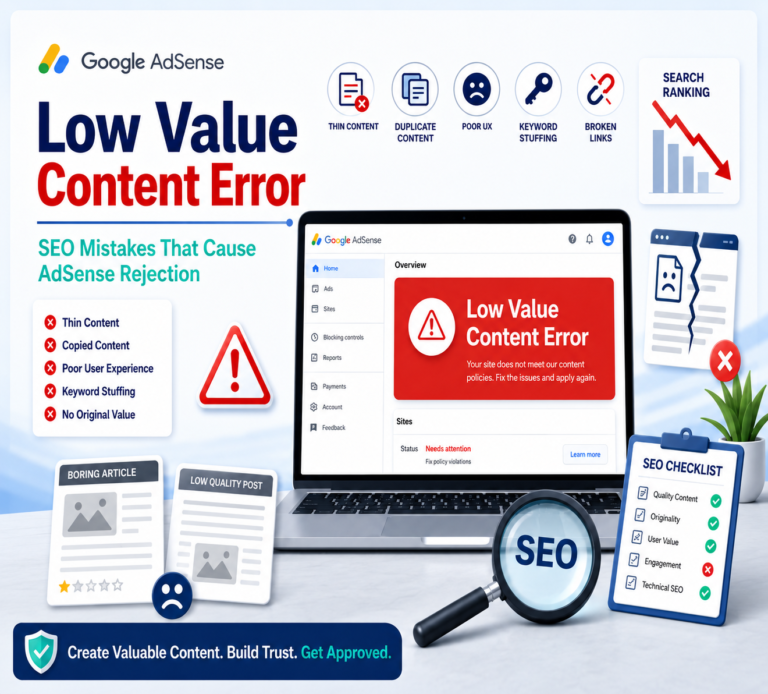
- Thin or Duplicate Content: Low-value content does not satisfy users or search engines.
- Lack of Backlinks: Without authority signals, even quality content may struggle to rank.
Conclusion
Understanding and implementing ranking factor SEO is essential for achieving sustainable online success. By focusing on content quality, keyword optimization, backlinks, technical SEO, and user experience, businesses can improve their visibility on search engines, attract targeted traffic, and increase conversions.
The digital landscape is constantly evolving, but websites that follow the key ranking factors and provide genuine value to users will consistently outperform competitors. Investing in ranking factor SEO is not just about higher search positions—it’s about building trust, authority, and long-term growth for your online presence.