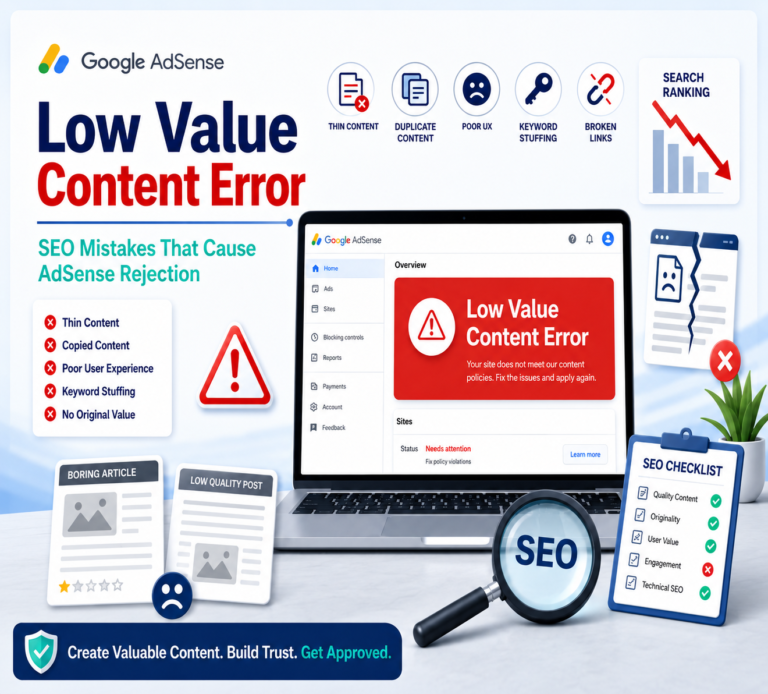

In today’s digital world, creating content that ranks on search engines is crucial for businesses, bloggers, and marketers. SEO writing helps your website appear in search results, attract organic traffic, and engage readers effectively.
For beginners, understanding the principles of SEO writing may seem overwhelming. This guide breaks it down into simple, actionable steps, helping you master the basics and start producing high-quality content that performs well online.
What is SEO Writing?
SEO writing is the practice of creating content that is both valuable to readers and optimized for search engines.
The goal of SEO writing is twofold:
- Improve Search Engine Rankings: Use keywords, meta tags, and structured content to make your page visible on Google, Bing, and other search engines.
- Provide Value to Readers: Ensure the content answers questions, solves problems, or entertains your audience.
Good SEO writing balances keyword usage with readability, so your audience enjoys the content while search engines understand it.
Why SEO Writing Matters
SEO writing is essential for several reasons:
- Increases Organic Traffic: Well-optimized content attracts visitors without paid ads.
- Builds Authority: High-quality content positions your brand as a trusted source in your niche.
- Improves User Experience: Readable, informative content keeps visitors engaged and encourages repeat visits.
- Boosts Conversions: Content can guide readers toward actions like signing up, purchasing, or sharing.
For beginners, mastering SEO writing is a critical step in digital marketing success.
Key Components of SEO Writing
To get started, beginners should focus on these core components:
1. Keyword Research
Keywords are the foundation of SEO writing. They are the words and phrases people type into search engines.
- Use tools like Google Keyword Planner, SEMrush, or Ahrefs to find relevant keywords.
- Target long-tail keywords for easier ranking and more qualified traffic.
- Understand search intent: Are users looking to buy, learn, or compare?
Example: Instead of just using “SEO,” use “SEO writing for beginners” to attract readers specifically looking for beginner guidance.
2. On-Page Optimization
On-page SEO involves optimizing the elements on your page:
- Title Tag: Include your main keyword naturally. Example: “SEO Writing for Beginners: Step-by-Step Guide.”
- Meta Description: Summarize the content with the keyword and a clear call-to-action.
- Headings (H1, H2, H3): Use keywords in headings to structure content and improve readability.
- URL Structure: Keep URLs short, readable, and keyword-focused. Example:
www.example.com/seo-writing-for-beginners - Alt Text for Images: Describe images using relevant keywords for better search visibility.
3. High-Quality Content
Search engines prioritize content that provides value to readers. Beginners should focus on:
- Answering questions clearly and concisely
- Using examples, tips, or tutorials
- Including visuals like charts, screenshots, or infographics
- Avoiding keyword stuffing and unnecessary repetition
Remember: Your content is for humans first, search engines second.
4. Internal and External Links
Linking is an important SEO practice:
- Internal Links: Connect to other pages on your website to guide visitors and distribute link authority.
- External Links: Reference reputable sources to enhance credibility.
Example: Linking to a tutorial on keyword research improves your content’s trustworthiness.
5. Readability and User Experience
Readability ensures that your audience can easily consume your content.
- Write short paragraphs (2–4 sentences)
- Use bullet points and numbered lists for clarity
- Include subheadings for scannability
- Use simple language, avoiding jargon for beginners
Good readability increases time on page and reduces bounce rates, signaling quality to search engines.
Common SEO Writing Mistakes Beginners Should Avoid
- Keyword Stuffing: Overusing keywords can hurt rankings and readability.
- Ignoring Meta Descriptions: These snippets influence click-through rates on search results.
- Neglecting Mobile Optimization: Most users access content via mobile devices.
- Weak Content Structure: Lack of headings, lists, or visual breaks reduces engagement.
- Forgetting Search Intent: Failing to match content with what users are searching for can lower rankings.
Avoiding these mistakes ensures your SEO writing is effective and sustainable.
Step-by-Step Process for Beginners
Here’s a simple workflow for creating SEO-friendly content:
- Choose Your Topic: Identify what your audience wants to know.
- Research Keywords: Find primary and secondary keywords.
- Outline Your Content: Create headings, subheadings, and bullet points.
- Write the Draft: Focus on clarity, readability, and keyword integration.
- Optimize On-Page Elements: Include meta tags, headings, and alt text.
- Add Visuals: Include images, charts, or infographics for engagement.
- Edit and Proofread: Remove errors, improve flow, and ensure grammar is correct.
- Publish and Promote: Share your content on social media or newsletters.
- Monitor Performance: Use analytics to track traffic, engagement, and conversions.
Tools That Help Beginners with SEO Writing
- Google Keyword Planner: Find relevant keywords.
- Yoast SEO (WordPress): Guides on-page optimization.
- Grammarly: Improves readability and grammar.
- SEMrush / Ahrefs: Analyze competitors and keyword opportunities.
- Canva: Create visuals to enhance content engagement.
Using these tools simplifies the SEO writing process for beginners.
Tips for Writing SEO Content That Ranks
- Focus on user intent – answer questions or solve problems.
- Use long-tail keywords naturally throughout the article.
- Structure content for easy scanning with headings and lists.
- Include internal links to related pages on your site.
- Update content regularly to stay relevant and accurate.
- Write for humans first, search engines second.
Consistency and practice are key to improving SEO writing skills.
The Benefits of Learning SEO Writing
For beginners, mastering SEO writing opens multiple opportunities:
- Increased website traffic without paid ads
- Enhanced credibility in your niche
- Improved content engagement and user satisfaction
- Career opportunities in digital marketing, content creation, and SEO
With time, beginners can progress to creating professional-level content that ranks consistently.
Conclusion
SEO writing for beginners is both an art and a science. It combines clear, engaging content with strategic optimization to attract readers and perform well in search engines.
By understanding keywords, search intent, on-page optimization, readability, and linking strategies, beginners can create high-quality content that drives traffic, builds authority, and engages audiences.
Consistency, practice, and using the right tools will allow beginners to grow as proficient SEO writers, unlocking opportunities in digital marketing and content creation.
Learning SEO writing is an essential skill in the modern online landscape, and mastering it can significantly enhance your online presence and impact.