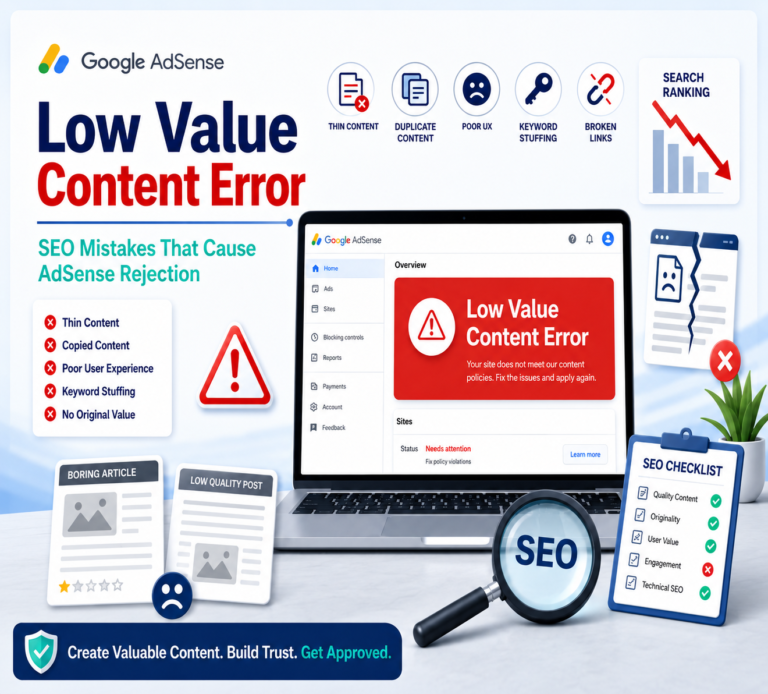

In the modern digital landscape, building a website is only half the battle. Ensuring that your website is visible to your target audience requires effective search engine optimization (SEO). One critical aspect of this process is knowing how to test website SEO to identify issues, measure performance, and make improvements. Whether you’re a small business owner, blogger, e-commerce entrepreneur, or digital marketer, testing your website SEO is essential for maintaining high rankings and driving organic traffic.
This guide will provide a comprehensive overview of test website SEO, including tools, strategies, metrics, and best practices to ensure your website is fully optimized for search engines and user experience.
What Does “Test Website SEO” Mean?
Testing your website SEO involves evaluating all aspects of your website to ensure it is optimized for search engines like Google, Bing, and Yahoo. It is not a one-time task but an ongoing process that includes:
- Technical SEO testing: Checking site speed, mobile-friendliness, and indexing issues.
- On-page SEO testing: Evaluating page titles, meta descriptions, headers, and content relevance.
- Off-page SEO testing: Analyzing backlinks, domain authority, and external signals.
- Performance testing: Monitoring user experience metrics, conversion rates, and organic traffic growth.
In short, testing your website SEO ensures that your website is search-engine-friendly and provides a high-quality experience for visitors.
Why Testing Your Website SEO is Essential
Effective SEO testing offers several benefits:
1. Identify Technical Issues
Even minor technical problems can affect your site’s rankings. Testing allows you to uncover issues like broken links, slow loading pages, duplicate content, and crawl errors.
2. Improve Search Rankings
By testing and optimizing your site, you can improve your visibility on search engines, which increases organic traffic and potential conversions.
3. Enhance User Experience
A website optimized for SEO is often faster, easier to navigate, and mobile-friendly — all of which enhance user experience and engagement.
4. Monitor Competitor Performance
SEO testing can also help you compare your website with competitors, identifying areas where you can improve or gain a competitive advantage.
5. Measure SEO Effectiveness
Regular testing enables you to measure the effectiveness of your SEO strategies and make data-driven decisions.
Key Components of Website SEO Testing
To fully test your website SEO, you need to evaluate multiple components:
1. Technical SEO Testing
Technical SEO ensures that your site can be crawled and indexed effectively by search engines.
Essential tests include:
- Site Speed Test: Use tools like Google PageSpeed Insights or GTmetrix to measure page loading times. Slow websites negatively impact rankings and user experience.
- Mobile-Friendliness: Test your site using Google’s Mobile-Friendly Test to ensure responsive design and usability on mobile devices.
- Crawlability and Indexing: Use Google Search Console to identify pages that cannot be crawled or indexed.
- HTTPS Security: Ensure your website uses HTTPS for secure data transmission.
- Structured Data: Test your schema markup to enhance rich snippets and improve search visibility.
2. On-Page SEO Testing
On-page SEO testing evaluates individual pages to ensure they are optimized for specific keywords and user intent.
Key elements to test:
- Title Tags and Meta Descriptions: Ensure every page has a unique, keyword-optimized title and meta description that accurately represents the content.
- Header Tags (H1, H2, H3): Proper use of headers improves readability and SEO.
- Keyword Optimization: Check that primary and secondary keywords are naturally included in content.
- Content Quality: Ensure content is original, informative, and matches search intent.
- Internal Linking: Test for proper linking between pages to improve navigation and distribute link equity.
- Image Optimization: Include alt text, file size optimization, and descriptive file names.
3. Off-Page SEO Testing
Off-page SEO measures your site’s reputation, authority, and presence outside your own domain.
Key factors to test:
- Backlink Profile: Use tools like Ahrefs, SEMrush, or Moz to evaluate the number and quality of backlinks pointing to your site.
- Social Signals: Analyze engagement on social media channels and how it drives traffic to your website.
- Domain Authority: Check your website’s authority score and compare it to competitors.
Off-page SEO testing ensures that your website maintains credibility and authority in your niche.
4. User Experience and Performance Testing
Search engines increasingly prioritize user experience in ranking algorithms. Test the following:
- Bounce Rate and Session Duration: Measure engagement and identify pages where users leave quickly.
- Navigation and Usability: Ensure menus, links, and buttons are intuitive and easy to use.
- Conversion Rates: Test forms, calls-to-action, and other conversion elements to improve lead generation.
- Core Web Vitals: Monitor metrics like Largest Contentful Paint (LCP), Cumulative Layout Shift (CLS), and First Input Delay (FID).
Improving user experience not only helps SEO but also increases conversion and retention rates.
Popular Tools for Testing Website SEO
Several tools can help automate and simplify SEO testing:
- Google Search Console: Monitor indexing status, crawl errors, and performance metrics.
- Google Analytics: Track traffic, user behavior, and conversion data.
- SEMrush: Comprehensive SEO audit tool for technical, on-page, and off-page testing.
- Ahrefs: Analyze backlinks, keyword rankings, and competitor SEO.
- Screaming Frog SEO Spider: Crawl your website for technical issues, broken links, and duplicate content.
- GTmetrix / Google PageSpeed Insights: Measure and improve website speed.
- Moz Pro: Evaluate domain authority, keyword opportunities, and site optimization.
Step-by-Step Guide to Testing Website SEO
Step 1: Conduct a Technical SEO Audit
Use tools like Screaming Frog, SEMrush, or Google Search Console to identify crawl errors, broken links, duplicate content, and site speed issues.
Step 2: Evaluate On-Page SEO
Check all pages for proper keyword placement, headers, meta tags, and content quality. Ensure internal linking is optimized and images are compressed and tagged correctly.
Step 3: Analyze Off-Page SEO
Review your backlink profile and domain authority. Remove toxic backlinks and seek new high-quality links from reputable sources.
Step 4: Measure Performance Metrics
Use Google Analytics and Core Web Vitals to assess user engagement, page speed, and mobile responsiveness. Identify pages with high bounce rates or low conversions.
Step 5: Compare Competitors
Analyze competitor websites to identify opportunities for improvement. Look for gaps in content, keywords, or backlinks.
Step 6: Implement Changes and Retest
After identifying issues, make necessary optimizations. Retest regularly to ensure improvements are effective and maintain SEO performance over time.
Common SEO Issues Found During Testing
Testing often reveals recurring issues that need attention:
- Duplicate content or meta tags
- Slow page load times
- Missing or poorly optimized title tags and meta descriptions
- Broken internal or external links
- Non-mobile-friendly pages
- Poorly optimized images without alt text
- Low-quality or thin content
Addressing these issues systematically is critical to achieving high search engine rankings.
Best Practices for Continuous SEO Testing
- Regularly audit your site: Perform SEO tests at least quarterly to maintain performance.
- Monitor algorithm updates: Adjust your strategy based on Google’s latest updates.
- Focus on user intent: Optimize content to meet the needs of your target audience.
- Track progress with KPIs: Monitor organic traffic, bounce rate, page speed, and conversions.
- Document changes: Keep a record of optimizations to evaluate their effectiveness over time.
Conclusion
Testing your website SEO is not a one-time task but a continuous process that ensures your site remains optimized, competitive, and user-friendly. By performing regular technical audits, evaluating on-page and off-page SEO, monitoring performance metrics, and using professional tools, you can significantly improve your search rankings and drive sustainable organic traffic.
Remember, SEO is both a science and an art — continuous testing and optimization are key to maintaining long-term online success. Following a structured test website SEO strategy allows you to identify weaknesses, implement improvements, and stay ahead of competitors in the ever-evolving digital landscape.