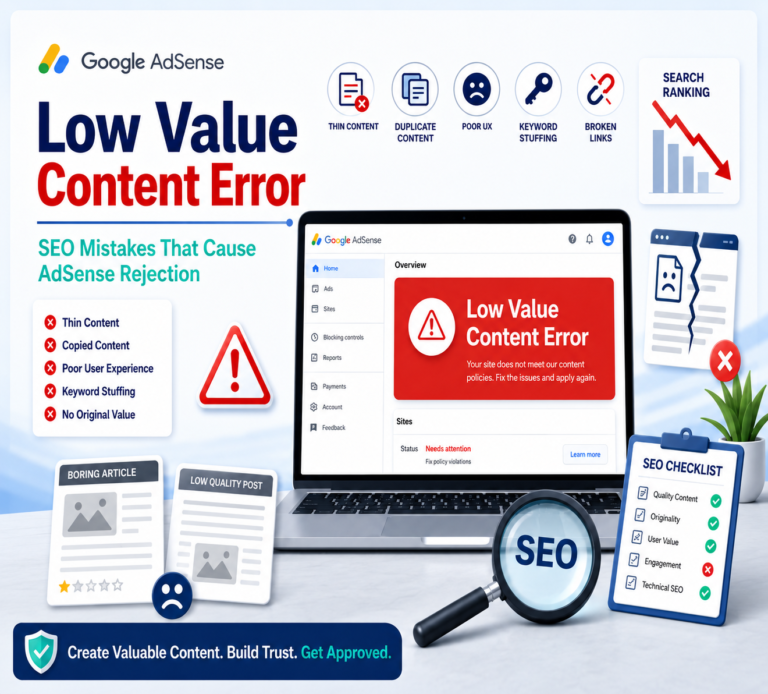

In the world of digital marketing, understanding SEO keywords is essential for anyone who wants to improve their website’s visibility, attract targeted traffic, and achieve higher search engine rankings. But what exactly are SEO keywords, why are they important, and how can you effectively use them to optimize your website?
This comprehensive guide will cover everything you need to know about what is SEO keywords, including types, strategies, tools, and best practices for implementation.
What Are SEO Keywords?
SEO keywords are words or phrases that users type into search engines when looking for information, products, or services online. They are the foundation of search engine optimization (SEO), guiding content creation, website optimization, and digital marketing strategies.
In simple terms, SEO keywords are the bridge between what people are searching for and the content you provide. By targeting the right keywords, you increase the chances of your website appearing in search results and attracting qualified traffic.
Why SEO Keywords Are Important
SEO keywords are important for several reasons:
1. Increase Organic Traffic
Targeting relevant keywords allows your website to appear in search results for terms your audience is actively looking for. This drives organic traffic without relying on paid advertising.
2. Align Content with User Intent
Using the right keywords ensures your content matches what users are searching for, improving engagement and satisfaction.
3. Improve Search Rankings
Search engines like Google use keywords to understand the content of your pages. Proper keyword optimization helps your site rank higher for relevant searches.
4. Enhance Marketing Strategy
SEO keywords inform your content strategy, PPC campaigns, social media marketing, and even product development by highlighting what your audience is interested in.
Types of SEO Keywords
Understanding the types of SEO keywords is essential for creating an effective strategy:
1. Short-Tail Keywords
- Usually 1–2 words
- High search volume but very competitive
- Example: “SEO tools,” “digital marketing”
2. Long-Tail Keywords
- Usually 3–5 words or more
- Lower search volume but higher conversion potential
- Example: “best SEO tools for small businesses”
3. LSI (Latent Semantic Indexing) Keywords
- Related terms or phrases that help search engines understand the context of your content
- Example: For “digital marketing,” LSI keywords include “content marketing,” “social media strategy,” “PPC campaigns”
4. Geo-Targeted Keywords
- Include location-specific terms to target a local audience
- Example: “SEO agency in New York”
5. Transactional Keywords
- Indicate that the user is ready to take action, such as buy or subscribe
- Example: “buy SEO software online,” “subscribe to SEO course”
6. Informational Keywords
How to Find SEO Keywords
Keyword research is a critical step in any SEO strategy. Here’s how to find the best SEO keywords:
1. Brainstorm Seed Keywords
Start with broad topics related to your business or niche. These will serve as the foundation for expanding your keyword list.
2. Use Keyword Research Tools
Tools such as Google Keyword Planner, Ahrefs, SEMrush, Ubersuggest, and Moz can help you discover keywords, analyze search volume, and assess competition.
3. Analyze Competitors
Look at the keywords your competitors are ranking for. This can reveal opportunities and gaps in your own strategy.
4. Understand Search Intent
Identify the intent behind keywords:
- Informational: The user wants to learn something.
- Navigational: The user is searching for a specific website or brand.
- Transactional: The user wants to buy or take action.
5. Group Keywords by Topic
Organize keywords into clusters or themes to make content creation more strategic and structured.
Best Practices for Using SEO Keywords
Implementing keywords effectively is as important as finding them. Here are key best practices:
1. Place Keywords Strategically
Include keywords in the following areas:
- Title tags
- Meta descriptions
- Headings (H1, H2, H3)
- URL slugs
- Image alt attributes
- Body content
2. Avoid Keyword Stuffing
Overusing keywords can lead to penalties from search engines. Focus on natural, readable content.
3. Use Variations and LSI Keywords
Incorporate synonyms, long-tail variations, and related phrases to make content more comprehensive and contextually relevant.
4. Match Keywords to Content
Ensure that your content fully satisfies the intent behind the keyword. For example, a blog targeting “how to do keyword research” should provide a complete guide, not just brief tips.
5. Monitor and Update Keywords
Search trends and user behavior change over time. Regularly update your keyword strategy based on analytics and industry trends.
Tools to Test and Track SEO Keywords
Using the right tools helps you evaluate performance and improve your SEO strategy:
- Google Keyword Planner – For keyword ideas and search volume data.
- Ahrefs – For competitor analysis, keyword difficulty, and backlink research.
- SEMrush – Comprehensive SEO tracking, keyword ranking, and site audits.
- Ubersuggest – Keyword suggestions, content ideas, and SEO analysis.
- Moz Keyword Explorer – Keyword research, difficulty scoring, and SERP analysis.
These tools allow you to track keyword rankings, measure traffic impact, and adjust your SEO campaigns effectively.
Common Mistakes in SEO Keyword Usage
Avoiding mistakes is critical for effective SEO keyword implementation:
- Targeting Too Broad Keywords: Competing for highly generic keywords can be very difficult.
- Ignoring Search Intent: Using keywords that don’t match user expectations reduces engagement.
- Overstuffing Keywords: Excessive keyword usage can harm readability and rankings.
- Neglecting Long-Tail Keywords: Long-tail keywords often convert better and face lower competition.
- Ignoring Analytics: Failing to track keyword performance leads to missed opportunities.
How SEO Keywords Fit Into a Comprehensive SEO Strategy
SEO keywords are just one piece of the SEO puzzle. A complete SEO strategy includes:
- Technical SEO – Ensuring your site is crawlable, mobile-friendly, and fast.
- On-Page SEO – Optimizing content, titles, meta descriptions, and internal links.
- Off-Page SEO – Building high-quality backlinks and establishing authority.
- Content Strategy – Creating valuable content that satisfies user intent.
- Analytics and Monitoring – Tracking performance and making data-driven decisions.
Keywords are the foundation that ties all these elements together, guiding both content creation and optimization.
Conclusion
Understanding what is SEO keywords is essential for anyone looking to improve online visibility and drive targeted traffic. Keywords serve as the bridge between what your audience is searching for and the content you provide.
By conducting thorough keyword research, using them strategically across your website, monitoring performance, and adapting to trends, you can maximize your SEO efforts and achieve long-term success. Proper use of SEO keywords ensures that your content is discoverable, relevant, and engaging — ultimately leading to higher traffic, better user experience, and increased conversions.