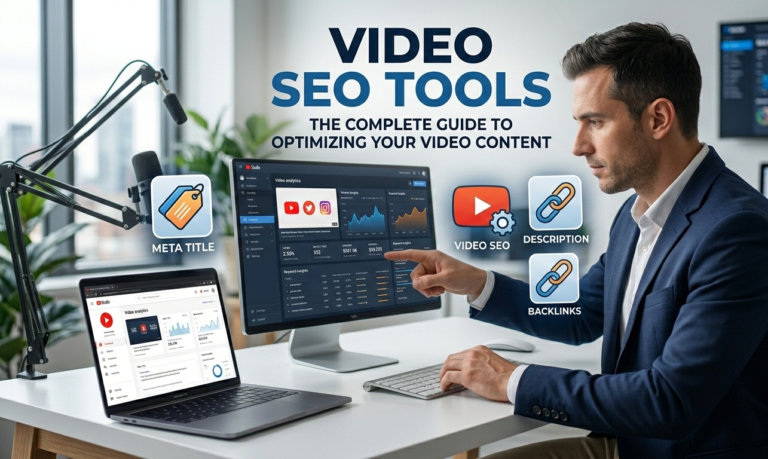
In the digital age, video content has become a dominant force for engagement, brand awareness, and lead generation. However, creating videos alone isn’t enough. To ensure your videos reach the right audience, you need Video SEO Tools—specialized software and platforms designed to optimize video content for search engines and increase discoverability.
This article explores what video SEO is, why it matters, the best tools available, and practical strategies to maximize your video marketing efforts.
What is Video SEO?
Video SEO is the process of optimizing video content to improve its visibility on search engines like Google, YouTube, and Bing. By optimizing video titles, descriptions, tags, thumbnails, transcripts, and metadata, businesses can attract more views, engagement, and conversions.
Why Video SEO is Important:
- Higher Visibility: Optimized videos are more likely to appear in search results and suggested video feeds.
- Better Engagement: Clear metadata, subtitles, and optimized thumbnails increase watch time and click-through rates.
- Brand Authority: Appearing in top search results enhances credibility and trust.
- Increased Conversions: Videos drive traffic and encourage users to take desired actions, from subscriptions to purchases.
Key Elements of Video SEO
Optimizing videos involves several elements, all of which can be managed and tracked using video SEO tools:
1. Video Metadata
- Titles: Should be keyword-rich and compelling.
- Descriptions: Provide detailed context, include relevant keywords, and add links to your website or related content.
- Tags: Help categorize videos and improve discoverability.
2. Video Thumbnails
- Eye-catching thumbnails improve CTR.
- Use high-resolution images with clear branding and relevant visuals.
3. Transcripts and Captions
- Enhance accessibility for viewers.
- Improve SEO by giving search engines more context about your video content.
4. Video Sitemaps
- Help search engines index your videos correctly.
- Include information like video title, description, duration, and thumbnail URL.
5. Engagement Metrics
- Watch time, likes, comments, shares, and click-through rates are essential for ranking.
- Tools can help monitor these metrics for continuous optimization.
Best Video SEO Tools
Here’s a curated list of top video SEO tools that can help optimize your content:
1. TubeBuddy
- Browser extension for YouTube creators.
- Features: Keyword explorer, tag suggestions, SEO score, thumbnail generator, bulk updates.
- Benefits: Simplifies optimization and improves rankings on YouTube search.
2. VidIQ
- Offers SEO analytics, keyword research, and competitor insights.
- Features: Trend alerts, video scorecards, tag recommendations, and real-time analytics.
- Benefits: Helps grow your YouTube channel efficiently by targeting the right audience.
3. SEMRush Video Toolkit
- Comprehensive SEO platform with video optimization features.
- Features: Competitor analysis, video keyword research, backlink monitoring, performance tracking.
- Benefits: Great for marketers managing multiple platforms beyond YouTube.
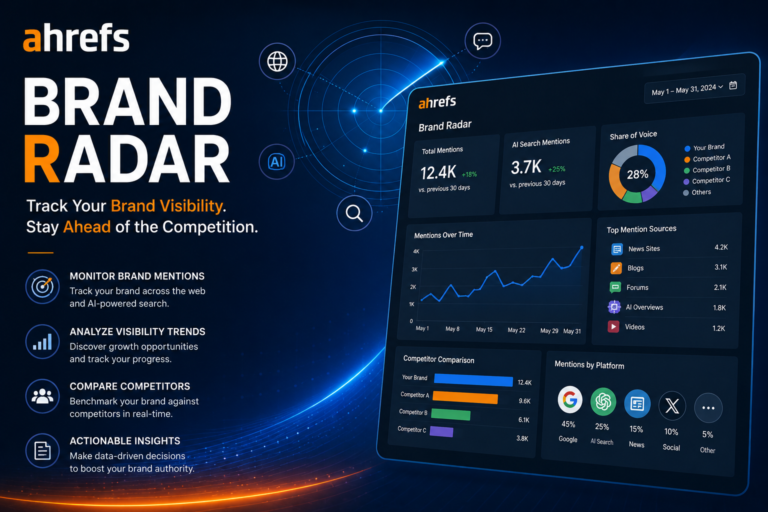
4. Ahrefs Video SEO Tools
- Helps analyze video search traffic and backlink profiles.
- Features: Keyword research, competitor video insights, and ranking analysis.
- Benefits: Useful for businesses looking to integrate video into broader SEO strategy.
5. Wistia
- Focused on business video hosting with SEO optimization features.
- Features: Customizable video player, SEO metadata input, heatmaps, and call-to-action buttons.
- Benefits: Perfect for lead generation and conversion tracking.
6. Moz Pro
- Traditional SEO tool with features applicable to video content.
- Features: Keyword analysis, site audits, and backlink tracking.
- Benefits: Helps integrate video SEO with overall website optimization strategy.
7. Google Video Sitemap & Search Console
- Essential free tools for indexing and monitoring video performance.
- Features: Upload video sitemap, track impressions, CTR, and rankings.
- Benefits: Ensures videos are discoverable on Google search.
Video SEO Best Practices
Optimizing videos involves more than just using tools. Follow these best practices for maximum impact:
1. Keyword Optimization
- Include target keywords in the title, description, and tags.
- Use long-tail keywords that reflect user search intent.
2. High-Quality Thumbnails
- Custom thumbnails improve click-through rates.
- Use clear visuals, contrasting colors, and readable text.
3. Engaging Intros
- Capture viewers’ attention within the first 10 seconds.
- Include keywords verbally for YouTube search ranking.
4. Transcripts and Subtitles
- Make content accessible and indexable.
- Include captions in multiple languages if targeting international audiences.
5. Video Length and Quality
- Longer videos often perform better for ranking, but quality matters more than length.
- Aim for engaging, informative, and well-edited content.
6. Internal and External Linking
- Link videos to relevant blog posts or landing pages.
- Encourage backlinks by embedding videos on external sites.
7. Consistent Upload Schedule
- Regular publishing signals authority to search engines.
- Helps maintain audience engagement and retention.
Common Video SEO Mistakes
- Ignoring Metadata: Titles, descriptions, and tags are left generic.
- Poor Thumbnails: Low-quality or uninformative images reduce CTR.
- No Transcripts: Search engines can’t fully index video content.
- Not Tracking Analytics: Missed opportunity to improve performance.
- Keyword Stuffing: Overusing keywords harms readability and rankings.
- Neglecting Mobile Optimization: Many users watch videos on mobile devices.
Avoiding these mistakes ensures that your videos reach the intended audience and perform well in search results.
How to Measure Video SEO Success
Tracking the right metrics is crucial for optimizing video performance:
- Watch Time: Total time users spend watching your videos.
- CTR (Click-Through Rate): Percentage of users who click your video from search results.
- Engagement Rate: Likes, comments, shares, and subscriptions.
- Impressions: Number of times your video appears in search results or suggested feeds.
- Traffic and Conversions: Leads or sales generated from video views.
Tools like TubeBuddy, VidIQ, Google Analytics, and YouTube Analytics make tracking these metrics easier.
Conclusion
Video SEO Tools are essential for any business or creator looking to maximize the impact of their video content. By optimizing video metadata, thumbnails, transcripts, and engagement strategies, videos can achieve higher search rankings, better visibility, and increased conversions.
Key takeaways:
- Video SEO ensures your videos reach the right audience.
- Metadata, thumbnails, transcripts, and keywords are crucial for optimization.
- Using tools like TubeBuddy, VidIQ, Ahrefs, and Wistia simplifies SEO management.
- Tracking analytics and engagement metrics is essential for continuous improvement.
By implementing these strategies and using the right tools, your videos can dominate search results, attract more viewers, and drive meaningful business results.