When it comes to SEO, many marketers focus on blog posts, product pages, and landing pages—but one often overlooked page is the About Page. An SEO optimized About Page can do much more than tell your brand story; it can improve search engine visibility, build trust with your audience, and increase conversions.
This article provides a comprehensive guide to creating an SEO About Page, including why it matters, how to optimize it, and best practices for maximizing readability, engagement, and search performance in 2026.
What Is an SEO About Page?
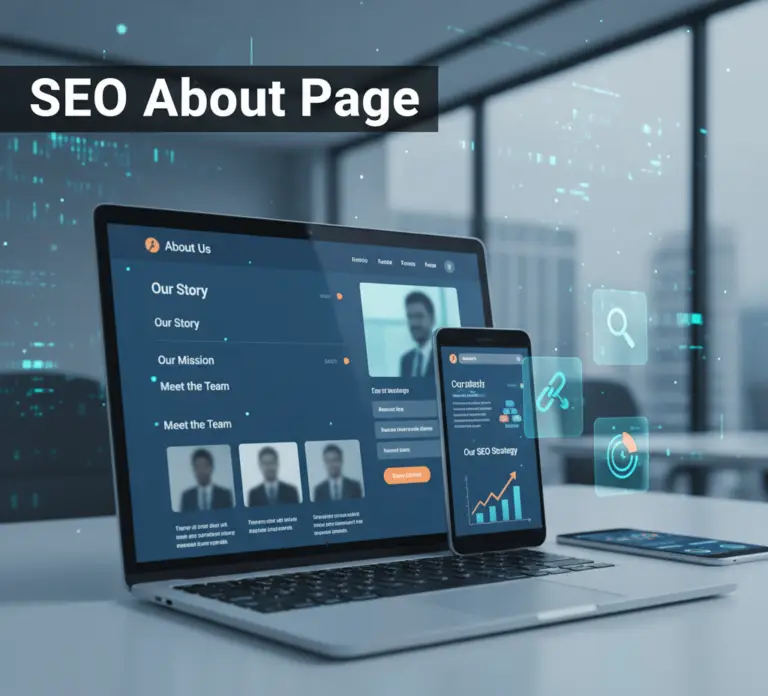
An SEO About Page is a section of your website designed to tell your brand story, explain your mission, and connect with visitors—while being optimized for search engines. Unlike a traditional About Page, an SEO About Page focuses on keywords, structure, and on-page SEO elements to improve visibility in search results.
Key Features of an SEO About Page:
- Clearly communicates who you are and what you do.
- Uses relevant keywords naturally to attract search traffic.
- Provides value and trust to potential customers or clients.
- Encourages engagement, such as signing up, contacting, or exploring services.
Why SEO About Pages Are Important
Many website owners underestimate the power of the About Page, but it has significant SEO and business benefits:
- Builds Trust and Authority
- Search engines and visitors value transparency.
- A professional, informative About Page signals credibility and expertise.
- Improves Search Rankings
- Optimized content helps you rank for brand-related and industry keywords.
- Increases visibility in searches like “About [Your Company]” or “[Industry] experts.”
- Encourages Conversions
- Visitors often read About Pages before deciding to buy or sign up.
- Highlighting your mission, team, and story can boost engagement and conversions.
- Enhances User Experience
- A well-structured About Page makes navigation easier.
- Helps users understand your value proposition quickly.
- Supports Link Building
- Informative and authoritative About Pages often attract backlinks from industry websites, blogs, and media outlets.
How to Optimize Your About Page for SEO
Creating an SEO-friendly About Page requires a balance of storytelling and technical optimization. Here’s a step-by-step guide:
1. Conduct Keyword Research
- Identify keywords relevant to your brand, industry, and expertise.
- Include long-tail keywords like “About digital marketing agency in [City]” or “Best software development company About Page.”
- Use tools like Google Keyword Planner, Ahrefs, or SEMrush to find search terms that potential customers use.
2. Write a Compelling Story
- Introduce your brand, mission, and values in an engaging way.
- Highlight what makes your company unique and your achievements.
- Use personalized language to connect with your audience.
Tip: Start with a strong hook, such as a problem your company solves or your founding story.
3. Structure Content Properly
- Use H1, H2, and H3 headings to organize sections:
- H1: About [Your Brand/Company]
- H2: Our Mission
- H2: Our Team
- H2: Our Story
- H2: Why Choose Us
- Include bullet points or numbered lists for readability.
- Add internal links to related pages (services, blog, contact page).
4. Include Visuals
- Add team photos, office images, and infographics to enhance storytelling.
- Optimize images with alt text containing relevant keywords.
- Use professional design and layout to improve user engagement.
5. Optimize On-Page SEO
- Title Tag: Include main keywords and your brand name.
- Meta Description: Summarize your About Page and include key phrases.
- URL Structure: Use clean, readable URLs like
/about-us. - Internal Links: Link to key pages like services, contact, and blog.
- Schema Markup: Use
OrganizationorPersonschema to help search engines understand your business.
6. Showcase Social Proof
- Include testimonials, awards, or partnerships to boost credibility.
- Display media mentions or certifications if available.
- This improves trustworthiness and authority, which can positively influence rankings.
7. Optimize for Mobile and Speed
- Ensure the page loads quickly on all devices.
- Use responsive design, compressed images, and optimized fonts.
- Mobile usability impacts SEO and user engagement.
8. Add a Call-to-Action (CTA)
- Encourage visitors to take the next step:
- Contact your team
- Subscribe to your newsletter
- Explore services or products
- Strategic CTAs improve conversion rates and engagement metrics.
Common Mistakes to Avoid
- Keyword Stuffing
- Overusing keywords can harm readability and rankings.
- Use keywords naturally and focus on storytelling.
- Neglecting Updates
- Keep your About Page current with new achievements, team members, and milestones.
- Ignoring User Experience
- Avoid long blocks of text without headings or visuals.
- Ensure easy navigation and clear CTA placement.
- Skipping Technical SEO
- Do not ignore meta tags, alt text, and internal links.
- Lack of Proof or Credibility
- Always back up claims with evidence, testimonials, or case studies.
Benefits of an SEO Optimized About Page
- Higher Search Visibility: Attracts visitors looking for your brand or industry expertise.
- Better User Engagement: Engaging content keeps users on your site longer.
- Improved Conversion Rates: Well-crafted About Pages can turn visitors into customers.
- Enhanced Brand Authority: Demonstrates professionalism and expertise.
- Link-Building Opportunities: Quality content attracts backlinks naturally.
Tips for Continuous Improvement
- Analyze Performance
- Use Google Analytics to track page views, bounce rate, and conversions.
- Adjust content and structure based on user behavior.
- Update Content Regularly
- Add new team members, awards, projects, or milestones.
- Refresh keywords based on current search trends.
- Use A/B Testing for CTAs
- Test different placements and messages for call-to-action buttons.
- Monitor Competitors
- Analyze competitors’ About Pages for inspiration and improvement.
- Leverage Social Proof
- Keep testimonials and awards updated to maintain credibility.
Conclusion
An SEO optimized About Page is more than just a company story—it’s a strategic tool that enhances search visibility, builds trust, and drives conversions. By combining compelling storytelling, keyword research, on-page SEO, and user-focused design, your About Page can become one of the most powerful pages on your website.
In 2026, businesses that prioritize an SEO-friendly About Page will enjoy higher organic traffic, better user engagement, and stronger brand authority.