In today’s digital landscape, visibility on Google is critical for any business. Two of the most powerful ways to achieve this are SEO (Search Engine Optimization) and SEM (Search Engine Marketing). While both aim to increase traffic and improve online presence, they work in different ways and offer unique advantages.
This guide will help you understand the differences, benefits, and strategies for Google SEO and SEM, so you can optimize your website, attract more visitors, and grow your business.
What Is Google SEO?
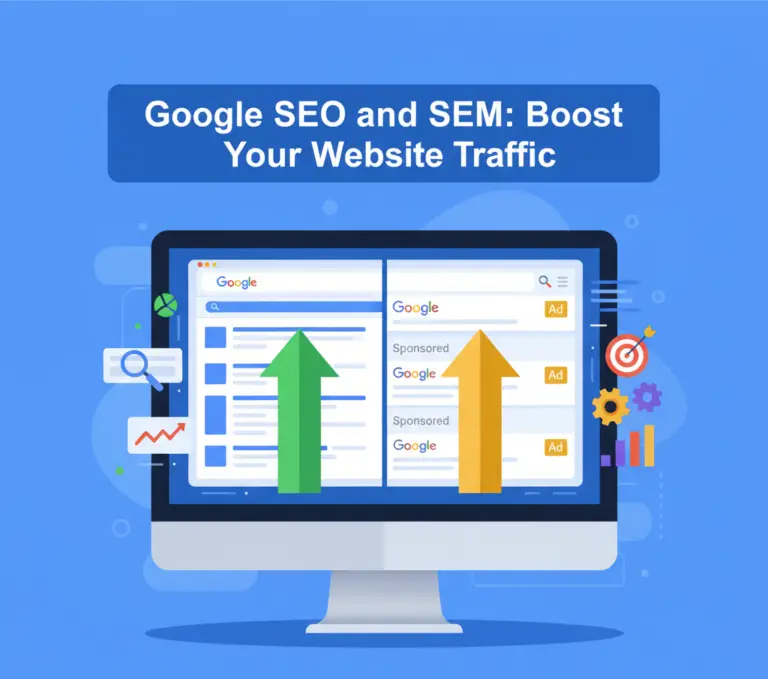
SEO stands for Search Engine Optimization. It is the practice of optimizing your website to rank higher on Google’s organic search results. Unlike paid advertising, SEO focuses on driving free, natural traffic to your website.
Key Components of Google SEO
- On-Page SEO
- Optimizing content, headings, meta titles, and meta descriptions.
- Ensuring proper keyword placement and readability.
- Using internal linking to connect related pages.
- Technical SEO
- Improving website speed and mobile responsiveness.
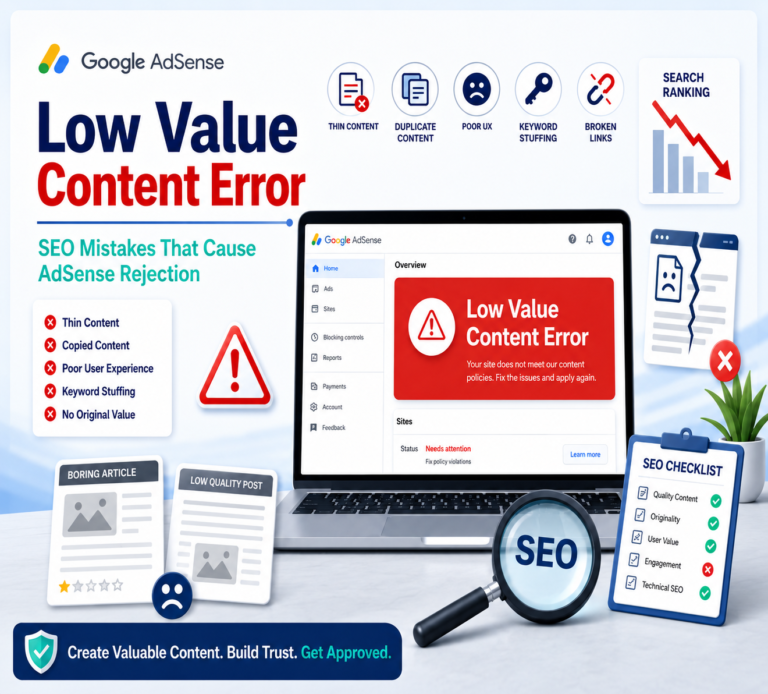
- Fixing broken links and duplicate content issues.
- Creating an XML sitemap for Google crawling.
- Off-Page SEO
- Building high-quality backlinks from reputable websites.
- Leveraging social shares and influencer mentions.
- Improving domain authority through external validation.
- Content SEO
- Producing informative, engaging, and valuable content.
- Targeting user intent and search queries.
- Using multimedia such as images, videos, and infographics.
Benefits of SEO
- Long-term sustainable traffic
- Increased website credibility and trust
- Cost-effective compared to paid campaigns
- Higher click-through rates from organic listings
What Is Google SEM?
SEM, or Search Engine Marketing, refers to paid advertising campaigns on Google, often through Google Ads. Unlike SEO, SEM provides instant visibility by placing ads at the top of search results for specific keywords.
Key Components of Google SEM
- Pay-Per-Click (PPC) Advertising
- You pay only when a user clicks your ad.
- Enables targeting specific keywords and search queries.
- Ad Campaign Types
- Search Ads – Text ads displayed on Google search results.
- Display Ads – Banner or visual ads on websites in Google’s Display Network.
- Shopping Ads – Product-based ads for e-commerce websites.
- Video Ads – Ads shown on YouTube.
- Targeting Options
- Geographic targeting for local businesses.
- Demographic targeting based on age, gender, or interests.
- Device targeting to optimize for mobile or desktop users.
Benefits of SEM
- Instant traffic and visibility
- Full control over ad placement and budget
- Precise targeting for high-intent audiences
- Measurable ROI with analytics and conversion tracking
Key Differences Between SEO and SEM
| Feature | SEO | SEM |
|---|---|---|
| Cost | Free, organic traffic | Paid traffic, pay-per-click |
| Time to Results | Slow, months to see effect | Immediate results once ads run |
| Longevity | Long-term benefit | Stops once budget ends |
| Click Placement | Organic results | Paid ads at top or bottom |
| Traffic Source | Organic search | Paid search and display networks |
How Google SEO and SEM Work Together
Using SEO and SEM together can maximize your digital marketing impact.
1. Keyword Research
- Use SEM campaigns to identify high-performing keywords.
- Apply successful SEM keywords to your SEO strategy for organic growth.
2. Brand Visibility
- SEM ads provide immediate visibility while SEO builds long-term presence.
- Combining both ensures your brand dominates search results.
3. Conversion Optimization
- SEM can target high-intent users, leading to immediate conversions.
- SEO nurtures trust and engagement for long-term leads.
4. Analytics and Insights
- Use SEM data to understand what search terms convert best.
- Adjust SEO content strategy based on SEM performance.
Best Practices for Google SEO
- Optimize Page Titles and Meta Descriptions
- Include primary keywords and make them compelling.
- Improve Website Speed
- Compress images, use caching, and minimize code for faster loading.
- Mobile-Friendly Design
- Ensure your site is responsive and user-friendly on all devices.
- High-Quality Content
- Publish informative, engaging, and shareable content regularly.
- Internal Linking
- Connect relevant pages to improve navigation and SEO authority.
- Monitor Analytics
- Track rankings, traffic, and user behavior to adjust strategies.
Best Practices for Google SEM
- Target the Right Keywords
- Focus on keywords with high intent and conversion potential.
- Create Compelling Ad Copy
- Use attention-grabbing headlines and clear calls-to-action.
- Optimize Landing Pages
- Ensure the landing page matches the ad content for better conversion.
- Set Budget and Bidding Strategies
- Use automated or manual bidding to maximize ROI.
- Monitor and Adjust Campaigns
- Analyze performance metrics and make data-driven adjustments.
- A/B Testing
- Test multiple ad variations to identify the most effective messaging.
Tools for Google SEO and SEM
- Google Search Console – Monitor organic traffic, indexing, and site issues.
- Google Analytics – Track user behavior, conversions, and traffic sources.
- Google Ads – Create, manage, and track SEM campaigns.
- Keyword Planner – Find keywords for both SEO and SEM campaigns.
- SEO Audit Tools – Identify on-page and technical issues for optimization.
Common Mistakes to Avoid
- Ignoring mobile optimization
- Targeting too broad or irrelevant keywords
- Not tracking conversions or performance
- Overloading pages with keywords (keyword stuffing)
- Neglecting website speed and technical SEO issues
Conclusion
Google SEO and SEM are two essential strategies for any online business. SEO focuses on long-term organic growth, while SEM provides immediate visibility and targeted traffic. By understanding both and implementing best practices, businesses can dominate search results, attract high-quality visitors, and increase conversions.
Combining SEO and SEM allows marketers to optimize performance, improve ROI, and stay competitive in today’s digital landscape. Whether you’re a small business or a large enterprise, investing in both strategies ensures sustained growth and success online.