In today’s fast-paced digital world, businesses deal with a massive amount of content—images, videos, documents, and marketing materials. Managing these assets efficiently is crucial for maintaining productivity, brand consistency, and team collaboration. This is where digital asset management tools come in.
These tools allow companies to store, organize, and share digital assets seamlessly, saving time and reducing errors. In this guide, we’ll dive into what digital asset management tools are, their benefits, and tips to choose the right one for your business.
What Are Digital Asset Management Tools?
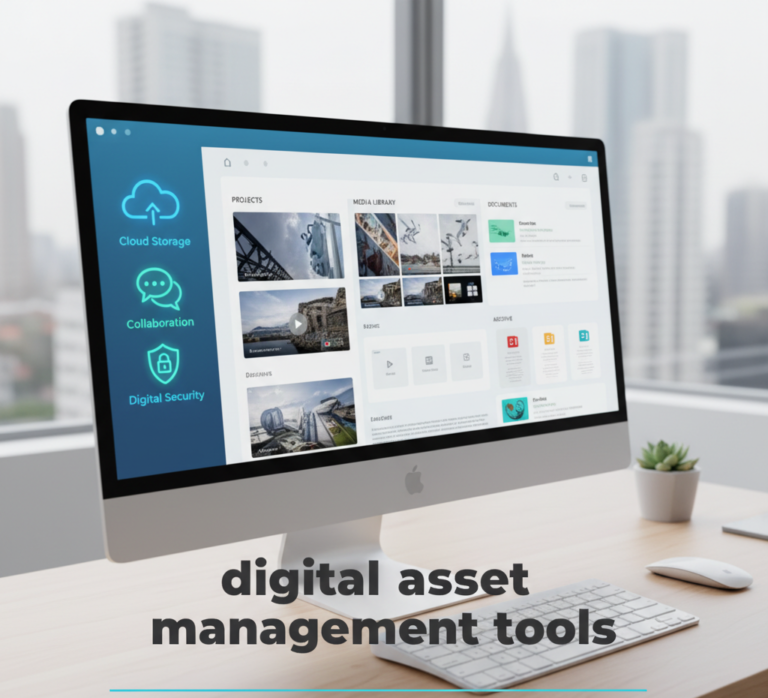
Digital asset management tools are software platforms that help organizations manage their digital content. Unlike basic file storage systems, these tools provide:
- Centralized storage for all types of digital assets.
- Easy search and retrieval using tags, metadata, or categories.
- Controlled access and permissions for team members.
- Version control to track edits and updates.
Essentially, they make digital content easy to find, secure, and use across different projects and teams.
Key Features of Digital Asset Management Tools
Modern digital asset management tools offer a wide range of features to improve workflow efficiency:
1. Centralized Storage
All files are stored in one location, eliminating scattered folders and multiple cloud drives. This ensures every team member can access the right content anytime.
2. Advanced Search & Metadata
Using tags, keywords, or custom metadata, users can find files in seconds. This is especially useful for large libraries of images or videos.
3. Version Control
Teams can track changes, access previous versions, and ensure they are working with the latest content without confusion.
4. Access Control & Security
Digital asset management tools allow administrators to define who can view, edit, or download assets, protecting sensitive content.
5. Integration Capabilities
Many tools integrate with design, marketing, and project management software, streamlining workflow across different platforms.
Benefits of Using Digital Asset Management Tools
Implementing the right digital asset management tools can transform the way your business handles digital content. Here are some key benefits:
- Improved Productivity: Quickly find and reuse assets instead of wasting time searching.
- Brand Consistency: Ensure that all marketing materials follow brand guidelines.
- Cost Savings: Reduce duplicate content creation and unnecessary storage expenses.
- Enhanced Collaboration: Teams can work together efficiently, even remotely.
- Better Security: Control who accesses what, protecting sensitive files.
Tips for Choosing the Right Digital Asset Management Tool
Selecting the right tool is essential for maximizing its benefits. Consider these factors:
- User-Friendly Interface: Choose a platform that is easy for your team to navigate.
- Scalability: Ensure it can grow with your business needs.
- Integration Options: Check if it works with your existing software ecosystem.
- Security Features: Look for robust access control, encryption, and backup options.
- Cost-Effectiveness: Compare pricing plans with the features offered to find the best fit.
Top Use Cases for Digital Asset Management Tools
Digital asset management tools are versatile and can be used in various industries:
- Marketing & Advertising: Manage images, videos, and campaign materials efficiently.
- E-Commerce: Organize product images, descriptions, and promotional content.
- Media & Publishing: Centralize content for easier distribution and reuse.
- Design Teams: Share and collaborate on creative assets without confusion.
Frequently Asked Questions (FAQ)
1. What is the main purpose of digital asset management tools?
They help businesses store, organize, and manage digital content efficiently, ensuring easy access and brand consistency.
2. Are digital asset management tools suitable for small businesses?
Yes, even small teams can benefit from DAM tools by saving time and improving collaboration.
3. Can these tools integrate with other software?
Most modern DAM tools integrate with popular design, marketing, and project management platforms.
4. Do digital asset management tools offer cloud storage?
Yes, many tools provide cloud-based solutions for remote access and easy collaboration.
5. How do digital asset management tools improve productivity?
They reduce time spent searching for files, prevent duplicate work, and streamline team collaboration.
Conclusion
In the digital age, efficiently managing your content is no longer optional—it’s essential. Digital asset management tools simplify the storage, organization, and sharing of your digital assets, helping your business save time, maintain brand consistency, and boost productivity.
Whether you are a marketing team, design agency, or a growing business, investing in a reliable digital asset management tool is a smart move for long-term success.