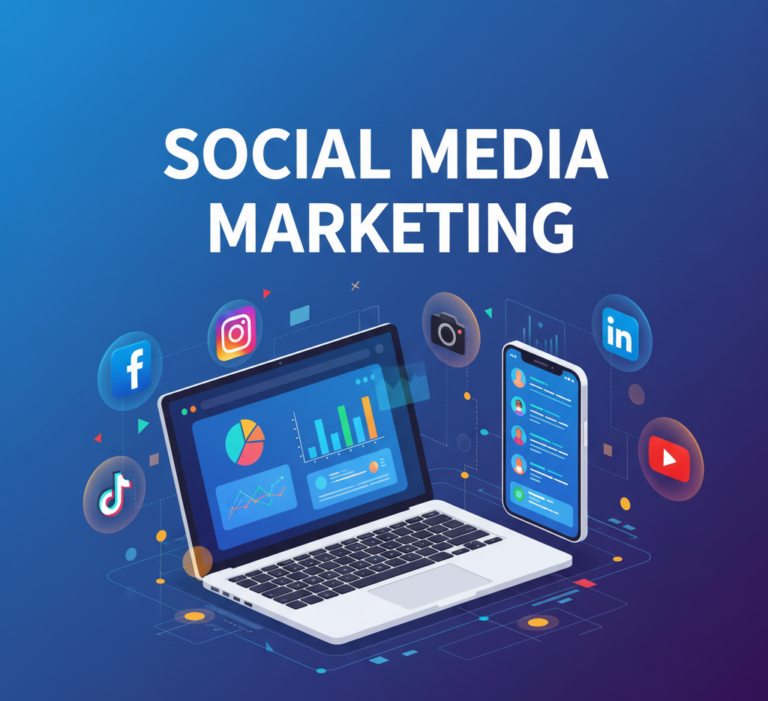
In today’s digital landscape, social media marketing has become a crucial strategy for businesses, influencers, and brands looking to engage with their audience, increase visibility, and drive conversions. With billions of users active on platforms like Facebook, Instagram, Twitter, LinkedIn, TikTok, and YouTube, mastering social media marketing can significantly enhance your brand’s online presence.
This comprehensive guide explores everything you need to know about social media marketing, including strategies, tools, content creation, advertising, analytics, and best practices for both beginners and advanced marketers.
What is Social Media Marketing?
Social media marketing (SMM) refers to the process of using social media platforms to promote products, services, or brands. It involves creating content, engaging with audiences, running paid campaigns, and analyzing results to achieve business goals.
The main objectives of social media marketing include:
- Brand Awareness: Introducing your brand to a broader audience
- Audience Engagement: Building relationships and trust with followers
- Lead Generation: Attracting potential customers for your business
- Conversions and Sales: Driving website traffic and purchases
Platforms commonly used for social media marketing include:
- Facebook: Offers advanced targeting options for ads
- Instagram: Visual storytelling through posts, stories, and reels
- Twitter/X: Real-time updates and trending topics
- LinkedIn: B2B marketing and professional networking
- TikTok: Short-form videos with high viral potential
- YouTube: Video marketing and tutorials
Importance of Social Media Marketing
1. Reach a Larger Audience
Social media allows brands to connect with a global audience instantly. With billions of users online, businesses can target specific demographics based on interests, age, location, and behavior.
2. Cost-Effective Marketing
Compared to traditional marketing, social media marketing is highly cost-effective. Paid ads can be scaled based on budget, while organic strategies like posting content and engaging with followers cost minimal money.
3. Build Brand Loyalty
By interacting with customers regularly, brands can create stronger relationships and trust. Engaging content, quick responses to inquiries, and personalized campaigns foster brand loyalty.
4. Gain Insights and Analytics
Social media platforms provide detailed analytics to track performance. Marketers can analyze engagement, reach, clicks, conversions, and audience demographics to improve campaigns.
Key Strategies for Social Media Marketing
1. Define Your Goals
Before starting, identify your goals. Examples include:
- Increasing brand awareness
- Driving traffic to a website or online store
- Generating leads or email subscribers
- Boosting sales or app downloads
Clear objectives guide your social media marketing strategy and help measure success.
2. Identify Your Target Audience
Understanding your audience is critical for effective marketing. Consider:
- Demographics: age, gender, location
- Interests and hobbies
- Online behavior and preferred platforms
3. Create a Content Strategy
Content is the backbone of social media marketing. A strong content strategy includes:
- Post Types: Images, videos, stories, reels, carousels, infographics
- Content Themes: Educational, entertaining, promotional, behind-the-scenes
- Posting Schedule: Regular posting improves visibility and engagement
4. Engage with Your Audience
Social media is not just about posting content—it’s about building relationships.
- Respond to comments and messages
- Like and comment on followers’ posts
- Host polls, Q&A sessions, and giveaways
5. Use Paid Advertising
Paid campaigns accelerate growth and reach. Social media advertising includes:
- Facebook Ads and Instagram Ads
- LinkedIn Sponsored Content
- TikTok In-Feed Ads and Branded Content
- YouTube Ads
Targeting options allow marketers to reach users based on demographics, behavior, and interests.
6. Leverage Influencer Marketing
Influencers help brands reach niche audiences authentically. Collaborate with influencers to:
- Promote products
- Increase brand awareness
- Create engaging content
Content Types for Social Media Marketing
1. Visual Content
- Photos, infographics, memes, GIFs
- High-quality visuals grab attention and increase engagement
2. Video Content
- Short-form videos for TikTok and Instagram Reels
- Long-form videos for YouTube and IGTV
- Tutorials, product demos, and behind-the-scenes content
3. User-Generated Content (UGC)
Encourage followers to create content related to your brand. UGC builds trust and authenticity.
4. Blog and Article Links
Share educational content from your website to drive traffic and provide value.
5. Interactive Content
- Polls, quizzes, and surveys
- Contests and giveaways
- Engages audience and encourages sharing
Tools for Social Media Marketing
Using the right tools improves efficiency and results. Key tools include:
1. Content Scheduling
- Buffer, Hootsuite, Later
- Schedule posts in advance for consistent posting
2. Analytics Tools
- Google Analytics
- Facebook Insights and Instagram Analytics
- Track engagement, reach, and conversions
3. Design Tools
- Canva, Adobe Spark, Crello
- Create visually appealing graphics and templates
4. Social Listening
- Mention, Brand24, Sprout Social
- Monitor brand mentions and industry trends
Social Media Marketing for Businesses
Businesses use social media marketing to increase visibility and drive sales. Key tactics include:
1. Storytelling
Share your brand story to connect emotionally with your audience. Authenticity builds loyalty.
2. Retargeting Ads
Show ads to users who previously interacted with your website or social media profile to increase conversions.
3. Collaboration and Partnerships
Work with influencers, brands, or creators to reach a broader audience.
4. Promotions and Giveaways
Run contests and giveaways to increase engagement, followers, and brand awareness.
5. Consistency and Branding
Maintain consistent visual identity, tone, and messaging across all platforms.
Measuring Social Media Marketing Success
Key metrics to monitor include:
- Reach: Number of people who saw your content
- Engagement: Likes, comments, shares, saves
- Click-Through Rate (CTR): Percentage of users who clicked links
- Conversion Rate: Users who completed desired actions
- Follower Growth: Increase in followers over time
Regularly analyzing these metrics allows you to optimize your strategy for better results.
Common Mistakes to Avoid in Social Media Marketing
- Posting inconsistently or infrequently
- Ignoring audience engagement
- Over-relying on one platform
- Using irrelevant hashtags
- Focusing only on promotions instead of value
Avoiding these mistakes ensures long-term growth and meaningful connections with your audience.
Future Trends in Social Media Marketing
- Video Dominance: Short-form videos will continue to dominate social platforms.
- AI and Automation: AI tools for content creation, analytics, and chatbots.
- Augmented Reality (AR) Experiences: AR filters and virtual try-ons for engagement.
- Social Commerce: Selling products directly through social media platforms.
- Personalization: Tailored content for individual user experiences.
Staying updated with trends ensures your social media marketing strategy remains competitive.
Conclusion
Social media marketing is an essential component of modern digital marketing. By understanding your audience, creating engaging content, leveraging paid ads, collaborating with influencers, and using analytics to optimize performance, businesses and individuals can grow their online presence, build loyal communities, and drive conversions.
With billions of users active on multiple platforms, mastering social media marketing is not just an advantage—it’s a necessity. Implement these strategies to boost your brand, engage your audience, and achieve measurable results in today’s competitive digital landscape.