Table of Contents
- Introduction
- What Is Digital Marketing?
- How Digital Marketing Has Evolved
- Main Components of Digital Marketing
- The Key Benefits of Digital Marketing
- Practical Tips for Building Your Digital Marketing Strategy
- Future Trends Shaping Digital Marketing in 2026
- Frequently Asked Questions
- Conclusion
Introduction
Have you ever scrolled through Instagram and suddenly seen an ad for those running shoes you were just researching? Or typed a question into Google and found a helpful blog post from a brand you’ve never heard of? That’s digital marketing in action.
In our hyper-connected world, businesses no longer rely solely on billboards or TV commercials. Instead, they meet customers exactly where they spend their time—online. If you’re a small business owner, aspiring marketer, or simply curious about how brands stay visible today, understanding what is digital marketing is your first step toward real growth.
This guide breaks everything down in plain English. We’ll cover the basics, the main channels, proven benefits, practical tips you can use right away, and even what’s coming next in 2026. By the end, you’ll have clear, actionable ideas to apply—no jargon, just useful insights. Let’s dive in.
:max_bytes(150000):strip_icc()/Term-Definitions_Digital-Marketing-5ae6ea1aee934b02a94a1a4d9401443d.jpg)
Understanding Digital Marketing: Key Types, Channels, and Examples
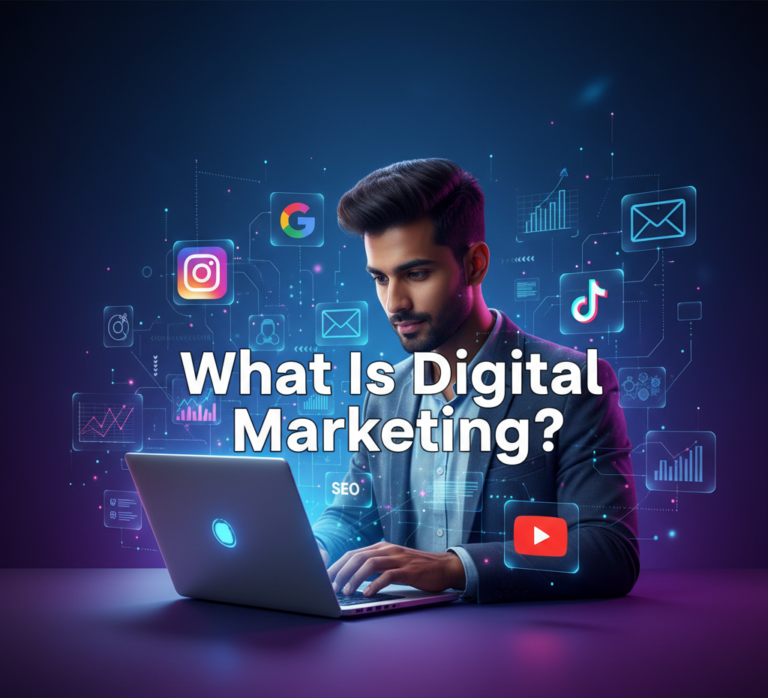
What Is Digital Marketing?
What is digital marketing at its core? It’s the practice of promoting products, services, or brands through digital channels like websites, search engines, social media, email, and mobile apps. Unlike traditional marketing (think newspaper ads or TV spots), it’s fully online or device-based, letting you reach people in real time.
Simply put, digital marketing uses the internet and electronic devices to connect with your audience, build relationships, and drive sales. It’s data-driven, meaning every click, like, or purchase can be tracked and improved.
The best part? It levels the playing field. A tiny startup in Islamabad can compete with big corporations because the right strategy puts your message in front of the exact people who need it—without huge budgets. In 2026, with over 5.66 billion social media users worldwide, ignoring digital marketing is like closing your shop doors while customers line up outside.
How Digital Marketing Has Evolved
Digital marketing didn’t appear overnight. It started in the 1990s with basic banner ads and email blasts. Fast-forward to today, and it’s a sophisticated mix of AI, video, and personalized experiences.
Early days focused on “push” tactics—sending messages out and hoping for the best. Now it’s about “pull”: creating content people actually want to engage with. Think Spotify Wrapped or Duolingo’s fun TikTok challenges. These aren’t random; they’re carefully planned campaigns based on user behavior.
The shift happened because customers got smarter. They skip ads, use ad blockers, and expect brands to understand their needs instantly. That’s why what is digital marketing today means being helpful, authentic, and measurable.
Main Components of Digital Marketing
Digital marketing isn’t one single tool—it’s a toolbox. Here are the main components that work together:
- Search Engine Optimization (SEO): Making your website rank higher on Google so people find you organically.
- Pay-Per-Click (PPC) Advertising: Paid ads on search engines or social platforms where you only pay when someone clicks.
- Content Marketing: Blog posts, videos, infographics, and ebooks that educate and entertain your audience.
- Social Media Marketing: Building community on platforms like Instagram, TikTok, LinkedIn, or X.
- Email Marketing: Personalized newsletters and automated sequences that nurture leads into customers.
- Affiliate and Influencer Marketing: Partnering with others to promote your products for a share of sales.
- Video Marketing: Short-form videos (Reels, Shorts) or longer YouTube content that drives massive engagement.
- Mobile Marketing: Optimizing for phones with apps, SMS, or location-based offers.
Each piece plays a role, and the magic happens when they connect. For example, a great SEO blog post might drive traffic, which an email list captures, which then converts through a targeted social ad.
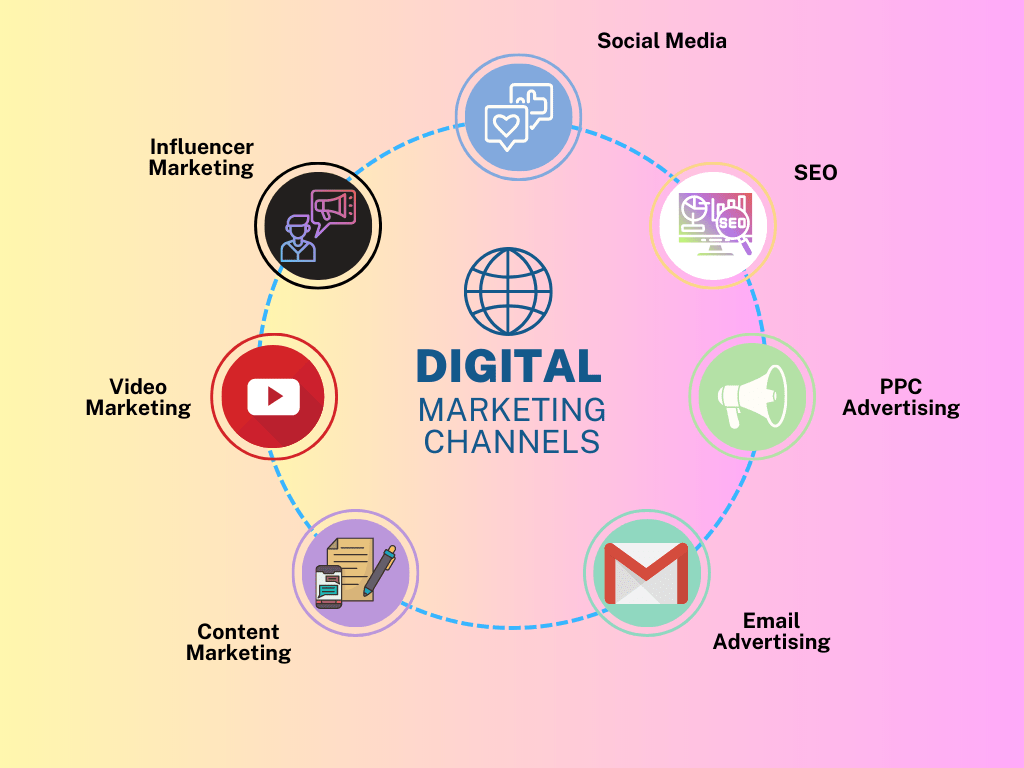
Top Digital Marketing Channels 2026 | Strategies That Work
Pro tip: Start with just two or three channels that match your audience. Spreading yourself too thin leads to average results everywhere.
The Key Benefits of Digital Marketing
Wondering why so many businesses invest heavily here? The benefits are hard to ignore:
- Precise targeting: Reach people by age, location, interests, or even past behavior.
- Real-time measurement: Track exactly how many people saw your ad, clicked, or bought—no guesswork.
- Cost-effectiveness: Many tactics (like SEO or organic social) cost far less than traditional ads while delivering better ROI.
- Global reach with local feel: Sell worldwide while speaking directly to customers in Islamabad or anywhere else.
- Higher engagement and loyalty: Interactive content builds relationships that last.
In 2026, data shows digital ad spending is projected to hit around $786 billion globally, with email marketing often delivering a whopping 36:1 ROI. Brands using multiple channels see the best results—75% of marketers already juggle five or more.
The bottom line: Digital marketing isn’t optional anymore. It’s how smart businesses grow faster, smarter, and more efficiently than ever before.

What are the benefits of Digital Marketing Services?
Practical Tips for Building Your Digital Marketing Strategy
Ready to put this into practice? Follow these straightforward steps:
- Know your audience inside out — Create buyer personas. What problems do they face? Where do they hang out online?
- Set clear, measurable goals — Want more website traffic, email sign-ups, or direct sales? Write them down.
- Choose the right channels — If your customers are on TikTok, don’t waste time on LinkedIn first.
- Create valuable content — Solve problems or entertain. People share what helps them.
- Use data to improve — Check analytics weekly. What’s working? Double down on it.
- Test and tweak constantly — Run A/B tests on headlines, images, or call-to-actions.
- Stay consistent — One post won’t move the needle. Build a calendar and stick to it.
- Budget wisely — Start small (even free tools work) and scale what delivers results.
Remember: The best strategies feel natural to your customers, not salesy. Focus on helping first.

Data-Driven Creative Digital Marketing Strategies & Trends
Future Trends Shaping Digital Marketing in 2026
Looking ahead, a few big shifts are already here:
- AI-powered personalization: Tools that tailor every message to individual preferences.
- Short-form video dominance: Platforms reward quick, authentic clips that stop the scroll.
- First-party data focus: With privacy rules tightening, brands are building their own customer lists.
- Authentic, human-centered content: People crave real stories over polished ads.
- Social commerce growth: Buying directly inside apps like Instagram or TikTok Shop.
Businesses that embrace these trends early will stand out. The key? Stay curious and keep learning.
Frequently Asked Questions
What is digital marketing in simple terms? It’s using online channels to promote your business and connect with customers who are already spending time on their phones and computers.
How is digital marketing different from traditional marketing? Traditional marketing is one-way (TV, print). Digital is two-way, measurable, and lets you adjust campaigns instantly based on real results.
Do I need a big budget to start? Not at all. Many tactics like SEO, content, and organic social media are free or low-cost. Paid ads just speed things up once you have a solid foundation.
What are the best digital marketing channels for small businesses? Start with Google Business Profile + SEO, Instagram/TikTok for visuals, and email for direct communication. Pick based on where your customers already are.
How long does it take to see results? SEO and content can take 3–6 months, while paid ads deliver almost immediately. Consistency is what speeds up success.
Is digital marketing worth it in 2026? Absolutely. With billions online and tools getting smarter, it’s one of the most effective ways to grow—no matter your industry.
Conclusion
What is digital marketing boils down to one powerful idea: meeting your customers where they are, with messages that matter to them. It’s flexible, measurable, and full of opportunity—especially in 2026 when technology makes personalization easier than ever.
Whether you’re just starting or refining your approach, the most successful brands treat digital marketing as an ongoing conversation, not a one-time campaign. Pick one tip from this guide, try it this week, and watch what happens.
The digital world is waiting. Your next customer is already online—now it’s time to connect with them.
What’s one digital marketing tactic you’re excited to try? Drop it in the comments—I’d love to hear your plans!