Table of Contents
- Introduction
- What Do You Know About Digital Marketing?
- How Digital Marketing Works in Today’s World
- Core Components of Digital Marketing
- Key Benefits That Make It Essential
- Practical Tips to Get Started
- What’s Next: Digital Marketing Trends in 2026
- Frequently Asked Questions
- Conclusion
Introduction
When someone asks “what do you know about digital marketing?”, many people pause. Is it just posting on Instagram? Running Google ads? Or something much bigger?
If you’re a business owner in Islamabad trying to grow online, a student exploring careers, or simply curious about how brands reach you every day, this question matters more than ever in 2026.
Digital marketing has become the heartbeat of modern business. It’s no longer optional—it’s how customers discover, trust, and buy from brands. In this guide, I’ll share everything clearly and practically so you walk away with real understanding and actionable ideas. Let’s explore what do you know about digital marketing together, step by step.
The Synergy of Words and Visuals – Unfocussed Photography & Art
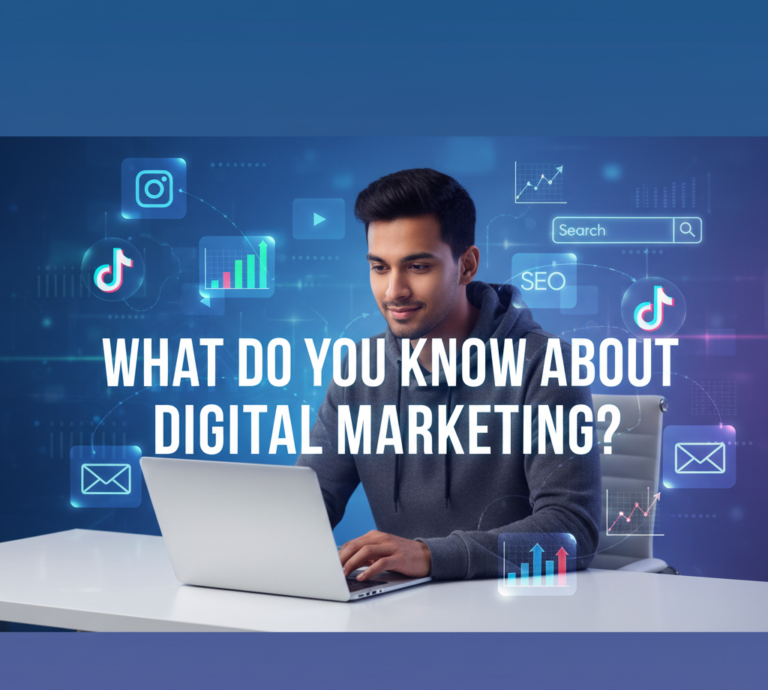
What Do You Know About Digital Marketing?
What do you know about digital marketing? At its heart, it’s the art and science of promoting products, services, or ideas using online channels and digital technologies.
Unlike traditional marketing with newspapers or TV ads, digital marketing happens on websites, search engines, social platforms, email, and mobile apps—exactly where people spend their time. It’s measurable, flexible, and incredibly targeted.
You can track every click, view, and purchase. That data helps you improve results quickly instead of guessing. In 2026, with billions of people online daily, what do you know about digital marketing determines whether your business stays visible or gets lost in the noise.
It’s not just about selling. Great digital marketing builds relationships, solves problems, and creates value for your audience first.
How Digital Marketing Works in Today’s World
Digital marketing follows the customer’s journey—from awareness to purchase and loyalty. It combines creativity with data to meet people at the right moment with the right message.
Think of it as a conversation rather than a loud announcement. You attract attention with helpful content, engage through social interactions, nurture interest via email, and guide decisions with smart ads.
Everything is connected. A blog post optimized for search might bring visitors, who then follow you on social media, join your email list, and eventually buy. In 2026, AI helps make these interactions feel personal and timely, not robotic.
Important sentence: The real power of digital marketing lies in its ability to adapt instantly based on real customer behavior.
Core Components of Digital Marketing
Digital marketing includes many tools that work best when combined. Here are the main ones:
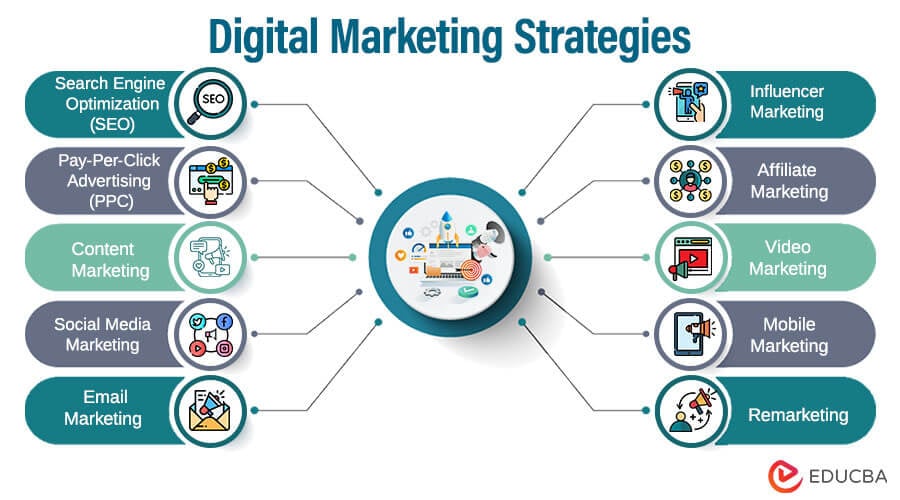
- Search Engine Optimization (SEO): Helping your website rank higher on Google so people find you naturally.
- Pay-Per-Click (PPC) Advertising: Paid ads where you pay only when someone clicks.
- Content Marketing: Creating blogs, videos, infographics, and guides that educate and attract your audience.
- Social Media Marketing: Building community and driving engagement on platforms like Instagram, TikTok, LinkedIn, and Facebook.
- Email Marketing: Sending personalized messages and automated sequences to nurture leads.
- Video Marketing: Using short-form videos (Reels, Shorts) or longer content on YouTube for high engagement.
- Influencer and Affiliate Marketing: Partnering with others to expand your reach.
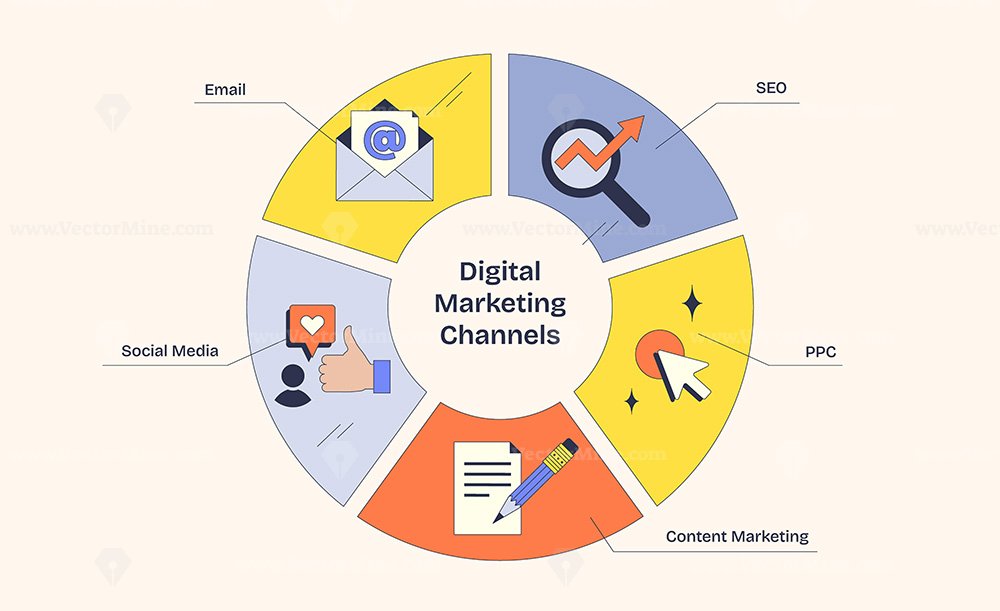
Digital marketing channels diagram shows email, SEO, and social media as key elements in a neubrutalism style diagram. – VectorMine
These channels don’t work in isolation. What do you know about digital marketing improves when you see them as a system. For example, SEO brings traffic, content keeps visitors interested, and email converts them into customers.
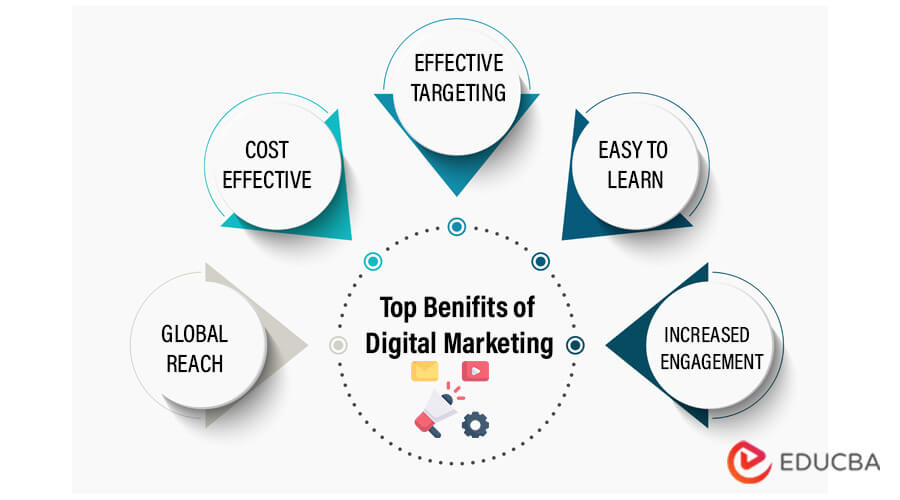
Key Benefits of Digital Marketing
Businesses love digital marketing for several strong reasons:
- Precise targeting — Reach people by location, interests, age, or past behavior.
- Measurable results — Know exactly what’s working and what isn’t through analytics.
- Cost-effectiveness — Many strategies deliver strong returns even with smaller budgets compared to traditional ads.
- Global reach with local touch — Connect with customers worldwide while speaking directly to people in your city.
- Better engagement — Interactive formats like videos and polls help build real relationships.
In 2026, statistics show that 93% of marketers consider video important, and many are increasing investment in it. Short-form video remains one of the top performing formats. Plus, 75% of marketers use more than five channels for better results.
Benefits of Digital Marketing – Top 8 Benefits You Must Know
The standout benefit? Digital marketing levels the playing field. A small business can compete effectively with larger ones by being smarter online.
Practical Tips to Get Started
If you’re wondering how to apply what do you know about digital marketing, start with these simple, effective steps:
- Understand your audience — Create detailed buyer personas. What challenges do they face? Where do they spend time online?
- Set clear goals — Decide whether you want more website traffic, email subscribers, or direct sales.
- Pick the right channels — Focus on 2–3 platforms where your customers already are instead of trying everything at once.
- Create helpful content — Solve real problems or entertain your audience. Valuable content gets shared naturally.
- Track and analyze — Use free tools like Google Analytics to see what performs well.
- Test everything — Run small experiments with different headlines, images, or offers.
- Stay consistent — Build a content calendar and post regularly.
- Budget smartly — Begin with low-cost or free tactics like SEO and organic social, then add paid ads as you learn.
Pro tip: Always put your customer first. Marketing that feels helpful converts far better than pushy sales messages.
Top 10 Digital Marketing Strategies (Real-World Examples & Benefits)
What’s Next: Digital Marketing Trends in 2026
The landscape keeps evolving quickly. Here are key trends shaping what do you know about digital marketing this year:
- AI-powered personalization — Tools now create highly tailored experiences at scale.
- Short-form video dominance — Quick, authentic videos continue to drive massive engagement.
- Social commerce growth — More people buy directly inside apps like Instagram and TikTok.
- Authenticity and community focus — Audiences prefer real stories over polished ads.
- First-party data and privacy — Brands build their own customer relationships as third-party cookies fade.
- Creator and influencer influence — Collaborations with real people build stronger trust.
Staying curious and adapting to these changes gives you a clear advantage.
Frequently Asked Questions
What do you know about digital marketing in simple words? It’s promoting your business online using channels like search, social media, email, and content to attract and connect with customers where they already spend time.
How is digital marketing different from traditional marketing? Traditional marketing is mostly one-way and harder to measure. Digital marketing is interactive, data-driven, and lets you adjust campaigns in real time.
Do small businesses need digital marketing in 2026? Yes. It’s one of the most affordable and effective ways to reach customers, build trust, and grow—even with limited budgets.
Which digital marketing channel gives the best results? It depends on your audience. Many businesses see strong returns from a mix of SEO, content, and email. Test and measure what works for you.
How long does it take to see results from digital marketing? Paid ads can deliver quick wins, while SEO and content marketing often take 3–6 months to build momentum. Consistency speeds up success.
Is AI changing digital marketing? Absolutely. AI helps with personalization, content creation, and analytics, making campaigns smarter and more efficient in 2026.
Conclusion
So, what do you know about digital marketing now? It’s a powerful, flexible way to connect with your audience, measure results, and grow your business smarter in 2026.
It combines creativity, strategy, and data to create experiences people actually enjoy. Whether you’re just starting or refining your approach, focus on being helpful, staying consistent, and learning from real results.
The digital world moves fast, but the basics remain the same: understand your customers and deliver value. Pick one idea from this guide and try it this week—you might be surprised how quickly things start to click.
What’s one thing you want to learn more about digital marketing? Share in the comments—I’d love to continue the conversation!