
Table of Contents
- Introduction
- Why Strong Website SEO Matters More Than Ever in 2026
- The 5 Core Pillars of Effective Website SEO
- Step-by-Step Audit and Improvement Plan for Your Website SEO
- Latest Trends Shaping Website SEO in 2026
- Real Benefits and Practical Tips to Boost Your Website SEO
- Common Mistakes That Hurt Your Website SEO
- Frequently Asked Questions (FAQ)
- Conclusion
If your website looks great but hardly gets any visitors from Google, you’re facing a common problem. That’s exactly where solid website SEO comes in.
Website SEO (Search Engine Optimization) helps your site rank higher in search results so real customers can find you organically. In 2026, with increasing competition and smarter AI tools, getting your website SEO right is one of the smartest investments you can make for long-term growth.
This guide breaks everything down in simple, practical terms. Whether you run a small business, online store, or service-based company, you’ll find actionable steps to improve your visibility and attract more qualified traffic without relying only on paid ads.
Why Strong Website SEO Matters More Than Ever in 2026
Every day, billions of searches happen on Google. A well-optimized website SEO strategy puts your business in front of people who are already looking for what you offer.
Unlike paid ads that stop when your budget runs out, good website SEO delivers free, ongoing traffic. In 2026, users expect fast-loading sites, clear information, and trustworthy content. Google rewards sites that meet these expectations with better rankings.
A strong website SEO foundation builds credibility and reduces marketing costs over time. For small businesses and e-commerce stores, this can mean the difference between struggling to get noticed and steadily growing your customer base.
The 5 Core Pillars of Effective Website SEO
Successful website SEO rests on five key pillars. Missing any one of them weakens the entire structure.
- Technical SEO: Fast speed, mobile-friendliness, and easy crawling by search engines.
- Content SEO: High-quality, helpful, and relevant information that answers user questions.
- On-Page SEO: Proper use of titles, headings, meta descriptions, and internal links.
- Off-Page SEO: Building authority through backlinks, reviews, and brand signals.
- User Experience (UX): Clean navigation, fast performance, and clear calls-to-action.
These pillars work together. For example, even the best content won’t rank if your site loads slowly or isn’t mobile-friendly. Focusing on all five creates a balanced and powerful website SEO strategy.
Step-by-Step Audit and Improvement Plan for Your Website SEO
Here’s a clear, beginner-friendly plan you can start using today:
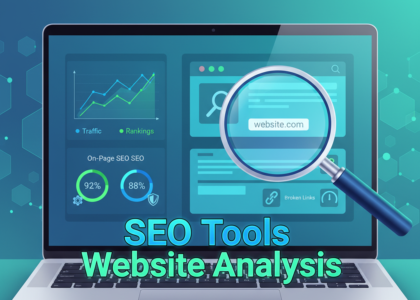
- Run a quick technical audit using free tools like Google PageSpeed Insights and Google Search Console.
- Check mobile responsiveness — most searches now happen on phones.
- Optimize key pages with unique title tags and compelling meta descriptions.
- Improve content quality by adding real value, original insights, and helpful details.
- Compress images and add descriptive alt text.
- Implement schema markup for rich snippets like reviews or FAQs.
- Build internal linking to help users and search engines navigate your site.
Numbered list of priorities for small businesses:
- Fix technical issues (speed and mobile) first.
- Update your top 3–5 most important pages.
- Publish fresh content regularly.
- Collect and display customer reviews.
- Monitor progress monthly in Google Analytics and Search Console.
Follow this website SEO roadmap consistently and you’ll see steady improvements in traffic and rankings.
Latest Trends Shaping Website SEO in 2026
The SEO landscape continues to evolve quickly. Here are the major trends affecting website SEO right now:
- E-E-A-T (Experience, Expertise, Authoritativeness, Trustworthiness): Google favors sites that clearly demonstrate real knowledge and reliability.
- AI-friendly content structure: Use clear headings, bullet points, and tables so AI overviews can easily understand and cite your content.
- Core Web Vitals: Page speed, visual stability, and interactivity are direct ranking factors.
- Video and visual content: Short videos and infographics boost engagement and dwell time.
- Local SEO signals: Even online businesses benefit from strong local citations and Google Business Profile optimization.
Important sentence in bold: Websites that rely solely on unedited AI-generated content without human insight are struggling in 2026.
Focus on creating authentic, helpful material that truly serves your audience. This approach strengthens your website SEO while building long-term trust.
Real Benefits and Practical Tips to Boost Your Website SEO
Investing time in website SEO delivers several clear advantages:
- Steady flow of targeted organic traffic.
- Higher credibility in the eyes of potential customers.
- Lower long-term advertising costs.
- Better competitive positioning in your niche.
- Valuable insights into what your customers are actually searching for.
Practical tips you can apply immediately:
- Start small: Focus on improving your homepage and main service/product pages first.
- Keep pages loading under 3 seconds.
- Write for humans first, then optimize for search engines.
- Use tools like Rank Math or Yoast SEO if you’re on WordPress.
- Encourage customer reviews and feature them prominently.
- Update older content with fresh information every few months.
These small, consistent actions can significantly improve your website SEO results without overwhelming your schedule.
Common Mistakes That Hurt Your Website SEO
Many website owners make the same avoidable errors:
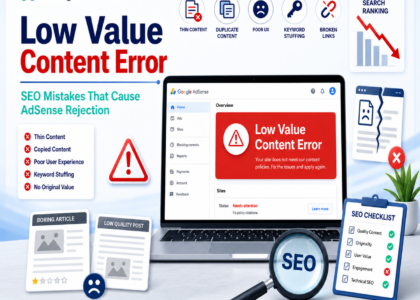
- Publishing thin or duplicate content.
- Ignoring page speed and mobile optimization.
- Overstuffing keywords unnaturally.
- Neglecting internal linking between related pages.
- Failing to secure the site with HTTPS.
- Not tracking performance with free Google tools.
Avoiding these mistakes helps protect your rankings and prevents wasted effort on your website SEO journey.
Frequently Asked Questions (FAQ)
How long does it take to see results from website SEO? Technical improvements can show up in weeks, but meaningful ranking and traffic growth usually takes 3 to 6 months depending on competition.
Is website SEO expensive? Basic website SEO can be done with free tools. You may invest in plugins or expert help initially, but organic traffic itself is free.
Does using AI for content hurt website SEO? AI tools are helpful for drafting, but always add human editing, original insights, and real value. Pure AI content often underperforms.
Do I need to rebuild my entire site for better website SEO? No. Many improvements — speed, content updates, and structure — can be made gradually on your existing website.
Is WordPress good for website SEO? Yes, WordPress is very SEO-friendly when paired with lightweight themes and proper plugins.
Conclusion
Strong website SEO remains one of the most effective ways for small businesses and e-commerce sites to grow sustainably in 2026. By focusing on technical foundations, quality content, user experience, and authority signals, you create a site that both Google and real visitors love.
Start with a simple audit this week. Fix the easiest technical issues, improve your key pages, and commit to regular content updates. With patience and consistent effort, your website SEO will deliver increasing traffic and better results month after month.
Your website has potential — give it the optimization it deserves and watch it become a reliable source of new customers and growth.