

Table of Contents
- Introduction
- What Is SEO Content?
- Why SEO Content Matters
- Understanding Search Intent Before Writing
- How to Write SEO Content (Step-by-Step Guide)
- Keyword Research and LSI Keywords
- How to Structure SEO Content Properly
- SEO Writing Best Practices
- Common SEO Content Mistakes to Avoid
- Benefits of Writing SEO Content
- Tips to Improve Content Ranking
- Frequently Asked Questions (FAQ)
- Conclusion
How to Write SEO Content: A Complete Beginner Guide
Introduction
If you want your website to rank higher on search engines, you must learn how to write SEO content properly. Writing content without SEO is like building a shop in the desert—no one will find it.
SEO content helps your website appear in search results when people look for information, services, or products. But writing SEO content is not just about adding keywords. It’s about creating helpful, clear, and valuable content that solves users’ problems.
In this guide, you will learn:
- How to write SEO content step-by-step
- How to use keywords naturally
- How to structure content correctly
- Tips to rank higher on search engines
- Common mistakes to avoid
What Is SEO Content?
SEO content refers to content created specifically to rank on search engines and attract organic traffic.
This type of content is written with:
- Keywords
- User intent
- Search engine optimization techniques
Simple Definition:
SEO content is content designed to rank on search engines and provide useful information to readers.
Examples of SEO Content
SEO content comes in many forms, such as:
- Blog posts
- Tutorials
- Product pages
- Guides
- List articles
- Reviews
- FAQs
Each type serves a specific purpose.
Why SEO Content Matters
Understanding how to write SEO content is important because content is the foundation of search engine optimization.
Without optimized content:
- Your website may not rank
- Traffic remains low
- Growth becomes slow
Main Reasons SEO Content Is Important
1. Improves Search Engine Rankings
Search engines rank content that is:
- Relevant
- Helpful
- Well-structured
Optimized content increases your visibility.
2. Brings Organic Traffic
SEO content helps people find your website without paid ads.
Organic traffic is:
- Free
- Long-term
- Sustainable
3. Builds Authority and Trust
Helpful content builds trust.
Readers return when your content solves problems.
Trust is one of the most valuable assets in digital marketing.
Understanding Search Intent Before Writing
Before writing SEO content, you must understand search intent.
Search intent means:
Why someone is searching for a keyword.
Types of Search Intent
1. Informational Intent
User wants information.
Example:
How to write SEO content
2. Navigational Intent
User wants a specific website.
Example:
Facebook login
3. Transactional Intent
User wants to buy something.
Example:
Buy running shoes online
4. Commercial Intent
User wants to compare products.
Example:
Best laptops for students
Matching search intent increases ranking chances significantly.
How to Write SEO Content (Step-by-Step Guide)
Here is a practical step-by-step process.
Step 1: Choose the Right Keyword
Keyword research is the first step.
Find keywords that have:
- Good search volume
- Low competition
- Clear user intent
Step 2: Understand the Topic
Study top-ranking articles.
Look for:
- Content length
- Structure
- Key points covered
This helps you create better content.
Step 3: Create an Outline
An outline improves organization.
Include:
- H1 title
- H2 headings
- H3 subheadings
Outlines make writing easier.
Step 4: Write High-Quality Content
Focus on clarity and usefulness.
Your content should:
- Solve user problems
- Provide value
- Be easy to read
Helpful content ranks better than keyword-heavy content.
Step 5: Optimize On-Page SEO
On-page SEO includes:
- Title tags
- Meta descriptions
- Heading tags
- URL structure
These elements improve visibility.
Step 6: Add Internal Links
Internal links connect your pages.
Benefits include:
- Better navigation
- Improved SEO structure
- Increased engagement
Step 7: Optimize Images
Images improve user experience.
Add:
- Alt text
- Descriptive file names
- Proper size
Step 8: Edit and Proofread
Check:
- Grammar
- Spelling
- Readability
Clean content builds trust.
Keyword Research and LSI Keywords
Keyword research is the backbone of SEO writing.
What Are LSI Keywords?
LSI keywords are related words that support your main keyword.
They help search engines understand context.
Examples of LSI Keywords for This Topic
- SEO content writing tips
- keyword density
- SEO article structure
- content optimization techniques
- SEO-friendly blog writing
- long-tail keywords
- content readability score
- semantic keywords
- search engine ranking
- content strategy
Using LSI keywords naturally improves relevance.
How to Structure SEO Content Properly
Content structure affects readability and rankings.
Basic SEO Content Structure
- H1 Title
- Introduction
- H2 Sections
- H3 Subsections
- Conclusion
- FAQ Section
This structure improves user experience.
Use Short Paragraphs
Short paragraphs are easier to read.
Recommended:
- 2–3 lines per paragraph
- Clear spacing
Use Bullet Points
Bullet points improve readability.
Example:
Benefits of bullet points:
- Easy scanning
- Better readability
- Clear information
Use Numbered Lists
Numbered lists work well for steps.
Example:
How to optimize content:
- Research keywords
- Write content
- Optimize headings
SEO Writing Best Practices
Follow these proven techniques.
Best Practices List
- Use your main keyword naturally
- Add LSI keywords
- Write clear headings
- Maintain keyword balance
- Focus on readability
- Use active voice
- Include examples
- Optimize meta descriptions
Writing for humans first, then optimizing for search engines, is the best strategy.
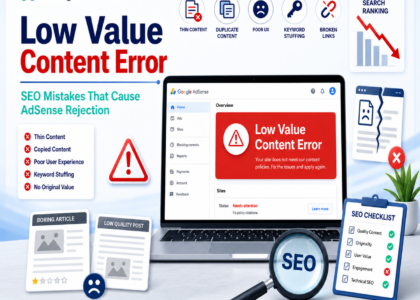
Common SEO Content Mistakes to Avoid
Avoiding mistakes saves time and improves rankings.
1. Keyword Stuffing
Using keywords too often harms readability.
Use keywords naturally.
2. Ignoring User Intent
Content must match search intent.
Otherwise:
- Users leave quickly
- Rankings drop
3. Writing Very Short Content
Short content lacks detail.
Search engines prefer:
Comprehensive content.
4. Poor Content Structure
Messy content is hard to read.
Use:
- Headings
- Lists
- Paragraph spacing
5. Copying Content
Plagiarism damages credibility.
Always create original content.
Benefits of Writing SEO Content
SEO content offers long-term advantages.
Major Benefits
- Higher search rankings
- Increased organic traffic
- Better user engagement
- Improved website authority
- Increased conversions
- Long-term online growth
SEO content works as a long-term digital asset.
Tips to Improve Content Ranking
Use these advanced tips.
Helpful Tips
- Update old content regularly
- Use long-tail keywords
- Add visuals and graphics
- Improve page speed
- Use internal linking
- Write compelling introductions
- Optimize headings
- Improve readability
Content Readability Tips
Make content easy to read:
- Use simple words
- Avoid long sentences
- Use spacing
- Use lists
Clear writing improves engagement.
Frequently Asked Questions (FAQ)
1. What is SEO content writing?
SEO content writing is the process of creating content optimized to rank on search engines while helping users.
2. How long should SEO content be?
Most SEO articles perform well when they are:
1500–2000 words
But quality matters more than length.
3. How many keywords should I use?
Use:
- One main keyword
- Several LSI keywords
Avoid keyword stuffing.
4. Can beginners write SEO content?
Yes.
With practice and research, beginners can create high-quality SEO content.
5. How often should I update SEO content?
Update content:
- Every 6–12 months
- Or when information changes
Updated content ranks better.
6. Is SEO content still important in 2026?
Yes.
SEO content remains one of the most effective ways to attract organic traffic.
Conclusion
Now you clearly understand how to write SEO content and why it is essential for website growth.
SEO content is more than just adding keywords—it’s about delivering helpful information that meets user needs. When your content solves problems, search engines reward it with better rankings.
To summarize:
- Start with keyword research
- Understand search intent
- Create structured content
- Use LSI keywords naturally
- Focus on readability
- Avoid common mistakes
Consistent SEO content creation can transform your website into a powerful traffic source over time.