
Table of Contents
- Introduction
- What Is an SEO Audit?
- Why an SEO Audit Is Important
- Types of SEO Audits Explained
- Key Elements of a Complete SEO Audit
- How to Perform an SEO Audit (Step-by-Step Guide)
- Essential SEO Audit Tools
- SEO Audit Best Practices
- Common SEO Audit Mistakes to Avoid
- Benefits of Regular SEO Audits
- How Often Should You Perform an SEO Audit?
- Frequently Asked Questions (FAQ)
- Conclusion
Introduction
If you want your website to perform well on search engines, one of the most important things you need to understand is what is an SEO audit. Many website owners create content but never check whether their website is working correctly from an SEO perspective.
An SEO audit helps you identify problems that may prevent your site from ranking higher in search results. It also shows you areas where your website can improve.
Think of an SEO audit like a health checkup for your website. Just as doctors check your health, an SEO audit checks your website’s performance.
In this detailed guide, you’ll learn:
- What is an SEO audit
- Why SEO audits are important
- What elements are included in an audit
- How to perform an SEO audit step-by-step
- Tips to improve your website performance
What Is an SEO Audit?
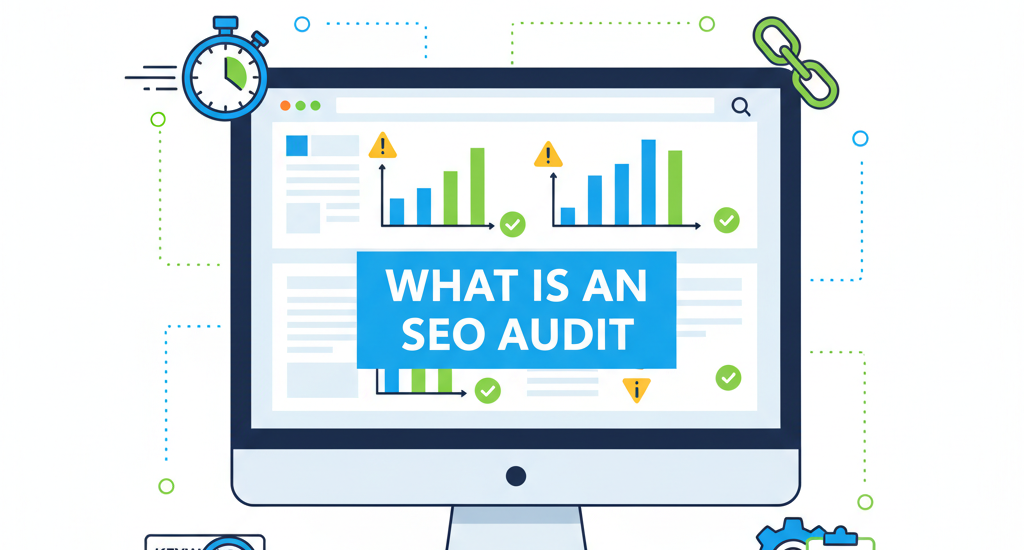
An SEO audit is the process of analyzing your website to find problems that affect search engine rankings.
It checks whether your website follows SEO best practices and identifies areas that need improvement.
Simple Definition:
An SEO audit is a complete analysis of a website to evaluate its performance, identify issues, and improve search engine rankings.
Example of an SEO Audit
During an audit, you may check:
- Broken links
- Slow loading pages
- Missing meta tags
- Duplicate content
- Keyword usage
Fixing these issues helps your website perform better.
Why an SEO Audit Is Important
Understanding what is an SEO audit is essential because SEO problems often go unnoticed until rankings drop.
Regular SEO audits help maintain website performance.
Main Reasons SEO Audits Are Important
1. Identify Technical Issues
Technical errors can prevent search engines from crawling your site.
Examples include:
- Crawl errors
- Broken links
- Indexing problems
Fixing technical issues improves visibility.
2. Improve Website Rankings
SEO audits help optimize:
- Keywords
- Content
- Structure
These improvements lead to better rankings.
3. Enhance User Experience
A well-optimized site loads faster and works smoothly.
This improves:
- Engagement
- Time on site
- Conversions
4. Stay Updated With SEO Change
Search engine algorithms change frequently.
Regular audits help you stay competitive.
Websites that perform regular SEO audits usually rank better than those that ignore them.
Types of SEO Audits Explained
Different types of audits focus on different areas of SEO.
1. Technical SEO Audit
A technical SEO audit checks the backend performance of your website.
It focuses on:
- Website speed
- Mobile friendliness
- Crawl errors
- Indexing issues
Technical SEO is the foundation of ranking success.
2. On-Page SEO Audit
An on-page SEO audit analyzes the content and structure of web pages.
It includes:
- Title tags
- Meta descriptions
- Keyword placement
- Heading structure
Proper on-page optimization improves content visibility.
3. Off-Page SEO Audit
This audit focuses on external factors.
Examples include:
- Backlink quality
- Domain authority
- Referral traffic
A backlink audit helps maintain link quality.
4. Content SEO Audit
Content audits evaluate:
- Content quality
- Keyword usage
- Content relevance
Updating old content improves rankings.
Key Elements of a Complete SEO Audit
A full SEO audit includes several important checks.
1. Website Crawlability
Search engines must be able to crawl your site.
Check:
- Robots.txt file
- XML sitemap
- Crawl errors
2. Indexing Status
Your pages must be indexed.
Check:
- Indexed pages
- Duplicate URLs
- Missing pages
Indexing issues reduce visibility.
3. Page Speed Optimization
Slow websites lose visitors.
Check:
- Loading speed
- Image size
- Server performance
Fast websites rank better.
4. Mobile Friendliness
Most users browse using mobile devices.
Ensure:
- Responsive design
- Easy navigation
- Fast mobile loading
Mobile SEO is essential.
5. Keyword Analysis
Keyword analysis checks whether your pages target the right keywords.
Review:
- Keyword placement
- Keyword relevance
- Keyword competition
6. Backlink Profile Review
A backlink audit checks:
- Link quality
- Spam links
- Referring domains
Quality backlinks improve authority.
7. Site Structure Optimization
Website structure affects usability.
Check:
- Navigation
- URL structure
- Internal linking
Clear structure improves crawling.
How to Perform an SEO Audit (Step-by-Step Guide)
Here is a simple numbered process.
Step 1: Crawl Your Website
Use crawling tools to scan your website.
Look for:
- Broken links
- Duplicate pages
- Missing tags
Step 2: Check Technical SEO
Review:
- Page speed
- Mobile usability
- Indexing issues
Technical health is critical.
Step 3: Analyze On-Page SEO
Check:
- Title tags
- Meta descriptions
- Heading tags
- Content quality
Optimize missing elements.
Step 4: Review Content Quality
Check:
- Duplicate content
- Outdated information
- Keyword optimization
Update weak content.
Step 5: Audit Backlinks
Analyze:
- Link quality
- Spam links
- Referring domains
Remove harmful links.
Step 6: Check User Experience
Evaluate:
- Navigation
- Design
- Page speed
User experience affects rankings.
Step 7: Create an SEO Report
Document:
- Issues found
- Fix recommendations
- Improvement timeline
SEO reporting helps track progress.
Essential SEO Audit Tools
Several tools help automate SEO audits.
Popular SEO Audit Tools
- Website audit tools
- SEO analysis platforms
- Technical SEO scanners
- Performance monitoring tools
These tools help identify issues quickly.
SEO Audit Best Practices
Follow these best practices for effective audits.
Best Practices List
- Perform audits regularly
- Fix errors quickly
- Monitor performance changes
- Keep records of improvements
- Update outdated content
- Optimize images and code
Regular SEO audits prevent ranking losses and improve performance.
Common SEO Audit Mistakes to Avoid
Avoid these mistakes during audits.
1. Ignoring Small Errors
Small errors can grow into major problems.
Fix issues early.
2. Running Audits Too Rarely
Infrequent audits reduce effectiveness.
Schedule regular checks.
3. Focusing Only on Keywords
SEO includes more than keywords.
Technical performance matters.
4. Ignoring Mobile Optimization
Mobile traffic is increasing.
Mobile-friendly websites rank better.
5. Not Tracking Results
Tracking helps measure improvements.
Use reports for monitoring.
Benefits of Regular SEO Audits
Regular audits bring many advantages.
Major Benefits
- Improved search rankings
- Faster website performance
- Better user experience
- Increased organic traffic
- Reduced technical errors
- Improved content quality
SEO audits help maintain long-term website success.
How Often Should You Perform an SEO Audit?
Audit frequency depends on website size.
Recommended Frequency
- Small websites: Every 6 months
- Medium websites: Every 3–6 months
- Large websites: Monthly
Regular checks maintain performance.
Tips for a Successful SEO Audit
Here are practical tips.
Helpful Tips
- Start with technical SEO
- Focus on high-priority issues
- Optimize slow pages first
- Remove duplicate content
- Improve internal linking
- Update outdated content
Frequently Asked Questions (FAQ)
1. What is an SEO audit in simple words?
An SEO audit is a process that checks your website to find SEO problems and improve search rankings.
2. How long does an SEO audit take?
It depends on website size.
Usually:
- Small sites: A few hours
- Large sites: Several days
3. Do beginners need SEO audits?
Yes.
Even small websites benefit from regular audits.
4. Can SEO audits improve rankings?
Yes.
Fixing SEO issues improves visibility and ranking potential.
5. Is an SEO audit necessary for new websites?
Yes.
Early audits prevent future problems.
6. Are SEO audits expensive?
Costs vary.
Some tools offer free basic audits.
Conclusion
Now you fully understand what is an SEO audit and why it is an essential part of website optimization.
An SEO audit helps identify technical issues, improve content quality, and enhance website performance. Without regular audits, small problems can grow into major ranking issues.
To summarize:
- SEO audits check website health
- They improve performance and rankings
- Regular audits maintain SEO success
- Fixing issues early saves time
- A structured audit process delivers better results
A well-executed SEO audit is one of the most powerful ways to improve your website’s long-term performance.