Table of Contents
- Introduction
- What Are Backlinks and Why They Still Matter in 2026
- Different Types of Backlinks (And Which Ones Actually Help)
- How to Get Backlinks to Your Website: 8 Proven Strategies That Work Right Now
- Essential Link Building Tips for Long-Term Success
- The Real Benefits of Quality Backlinks
- Common Link Building Mistakes to Avoid
- Frequently Asked Questions (FAQ)
- Conclusion
If you run a website and want better rankings on Google, you’ve probably heard that backlinks are still one of the biggest ranking signals. But the game has changed. Gone are the days of spammy directory submissions or buying cheap links. Today, how to get backlinks to your website is all about creating real value that others genuinely want to link to.
In this guide, I’ll walk you through exactly what works in 2026. You’ll learn practical, white-hat link building strategies that respect Google’s Helpful Content guidelines and E-E-A-T principles. No fluff, no outdated tactics—just actionable steps you can start using today to earn quality backlinks naturally.
What Are Backlinks and Why They Still Matter in 2026
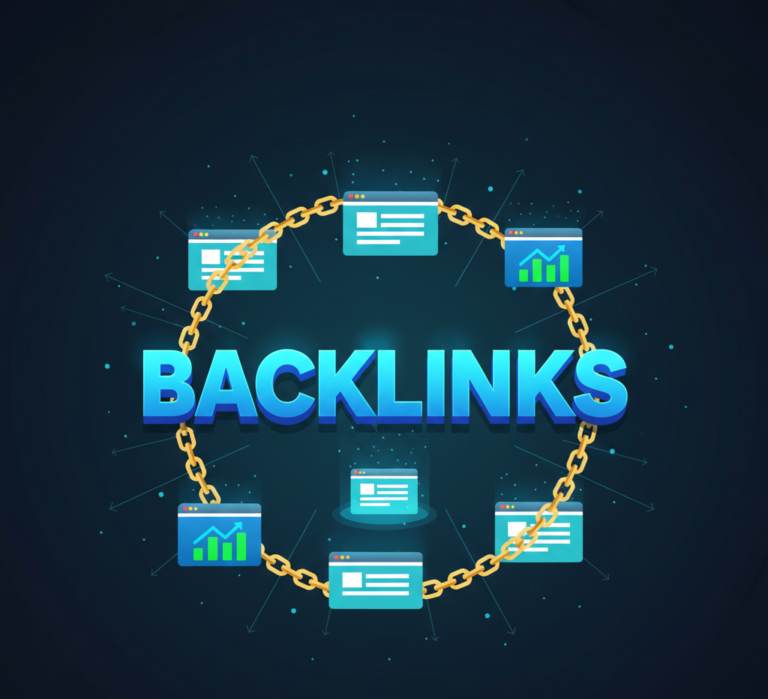
Backlinks are simply links from one website to another. Think of them as votes of confidence. When a reputable site links to yours, it tells search engines your content is trustworthy and useful.
Google’s algorithms have evolved, but backlinks remain powerful—especially contextual backlinks from relevant, high-authority sites. With the focus on E-E-A-T (Experience, Expertise, Authoritativeness, and Trustworthiness), quality backlinks now signal that real people and experts trust your site.
The truth is: quality backlinks still move the needle more than almost anything else in off-page SEO. They help search engines understand your topical relevance and pass along “link juice” that improves rankings.
In 2026, the key difference is this: links must feel natural. Google’s systems are smarter at spotting manipulative link building strategies, so the focus has shifted to earning editorial links through helpful content.
Different Types of Backlinks (And Which Ones Actually Help)
Not all backlinks are created equal. Here’s a quick breakdown:
- Dofollow backlinks: These pass link equity and are the most valuable for SEO.
- Nofollow backlinks: They don’t pass full link juice but can still drive traffic and brand mentions.
- Contextual backlinks: Links placed naturally within relevant content—the gold standard.
- Resource page links: Links from curated “best of” or tool lists.
- Guest post backlinks: Earned through valuable contributions (when done right).
Prioritize contextual and editorial backlinks from sites in your niche. These deliver the best combination of SEO value and referral traffic.
How to Get Backlinks to Your Website: 8 Proven Strategies That Work Right Now
Let’s get into the practical stuff. Here are eight battle-tested link building strategies that deliver results in 2026.
1. Create Link-Worthy Content (The Foundation of Everything)
The easiest way to earn backlinks is to make content people actually want to share and reference.
Focus on:
- Original research and industry surveys
- In-depth ultimate guides
- Data-driven infographics and statistics
- Interactive tools or calculators
- Comprehensive checklists and templates
Tip: Publish content that solves real problems in your niche. When your post becomes the go-to resource, backlinks come naturally.
2. Digital PR and Journalist Outreach
Digital PR remains one of the strongest ways to earn high-quality backlinks.
How to do it:
- Create newsworthy stories or original data
- Reach out to journalists using HARO-style platforms or direct email
- Offer expert quotes and insights
This strategy builds authoritative links while boosting your brand visibility.
3. Strategic Guest Posting
Forget mass guest posting on low-quality sites. Instead, target 3–5 relevant websites your audience actually reads.
Steps:
- Research sites that accept guest contributions
- Pitch unique, high-value angles (not generic topics)
- Deliver content that matches their editorial standards
Quality guest posts on niche sites with real traffic still work wonders for your backlink profile.
4. Broken Link Building
This classic tactic is still highly effective—and white-hat.
Process:
- Find broken links on relevant pages (use tools like Ahrefs or free checkers)
- Create better content to replace the dead link
- Politely reach out to the site owner with your replacement
You’re solving a problem for them while earning a link.
5. Resource Page Link Building
Many websites maintain “resource” or “useful links” pages.
Action steps:
- Search for “[your niche] + resources” or “best tools”
- Reach out with a helpful addition to their list
- Personalize every email—mention why your resource fits perfectly
6. Reclaim Unlinked Brand Mentions
People already talk about your brand or content without linking.
How to find them:
- Set up Google Alerts for your brand name
- Use search operators like “yourbrandname -site:yourdomain.com”
- Reach out and kindly ask them to add the link
This is one of the quickest wins in link building.
7. Leverage Partnerships and Relationships
Turn existing connections into backlinks.
Ideas:
- Collaborate with complementary businesses
- Join industry associations
- Co-create content with influencers or experts
These links feel completely natural because they come from real relationships.
8. Create and Promote Linkable Assets
Build assets specifically designed to attract links:
- Free downloadable guides
- Original datasets
- Expert roundups
- Comparison charts
Then promote them actively on social media, forums, and relevant communities.
Essential Link Building Tips for Long-Term Success
Here are some practical tips to make your efforts more effective:
- Focus on relevance first. A link from a related site beats a high-DA irrelevant one every time.
- Diversify your anchor text. Mix branded, naked URL, and natural phrase anchors.
- Build slowly and steadily. Sudden spikes in backlinks can look suspicious.
- Track everything. Monitor your backlink profile with free tools like Google Search Console.
- Always provide value. The best link building strategies feel like helpful recommendations, not sales pitches.
Remember: sustainable link building is a marathon, not a sprint.
The Real Benefits of Quality Backlinks
When you master how to get backlinks to your website the right way, you’ll see:
- Higher search engine rankings
- Increased organic traffic
- Better domain and topical authority
- More referral visitors who convert
- Stronger brand credibility and trust signals
Quality backlinks also support your overall E-E-A-T, making Google more likely to trust and rank your content.
Common Link Building Mistakes to Avoid
Even experienced marketers slip up. Steer clear of:
- Buying links or using PBNs
- Over-optimized anchor text
- Spammy directory submissions
- Mass outreach templates
- Ignoring mobile-friendly and fast-loading sites when choosing link partners
These shortcuts can hurt more than they help in today’s algorithm.
Frequently Asked Questions (FAQ)
How long does it take to see results from link building? Most people notice movement in 3–6 months, but big wins can take longer. Patience is key.
Are nofollow links worthless? Not at all. They still drive traffic and help with brand signals.
Should I focus on quantity or quality of backlinks? Always quality. One relevant editorial link beats 100 low-quality ones.
Can I still use guest posting in 2026? Yes—if it’s strategic and on reputable sites. Avoid networks and paid placement farms.
What tools do I need for link building? Start with free options: Google Search Console, Google Alerts, and browser extensions. Paid tools like Ahrefs or Semrush help at scale.
Conclusion
Learning how to get backlinks to your website doesn’t have to feel overwhelming. By focusing on creating incredible content, building genuine relationships, and using smart outreach, you can earn the kind of quality backlinks that actually move the needle in 2026.
Start small. Pick one strategy from this guide and implement it this week. Whether it’s fixing broken links or publishing your first original research piece, consistent action beats perfect planning every time.
Your backlink profile is a long-term investment in your website’s authority. Stay ethical, stay helpful, and the links will follow.
Now it’s your turn—what’s the first link building tactic you’re going to try? Drop it in the comments below!