
Running a business today without thinking about online visibility is like opening a shop on a quiet back street while everyone else is on the main road. You might have great products or services, but if customers can’t find you, it doesn’t matter how good they are. That’s where SEO comes in.
I’ve talked to many small business owners who felt overwhelmed by SEO. Some thought it was only for big companies with huge marketing budgets. Others tried a few things, got frustrated with slow results, and gave up. If that sounds familiar, you’re not alone.
In this guide, I’ll explain what is SEO in business in plain English, why it matters more than ever, and how you can start using it to grow without getting lost in technical jargon. Let’s make it practical and useful.
What Is SEO in Business?
SEO stands for Search Engine Optimization. In simple terms, it’s the process of improving your website so it appears higher in search results on Google, Bing, and other search engines when people look for what you offer.
For a business, SEO means making sure potential customers find you when they search things like “best coffee near me,” “affordable plumber in Lahore,” or “wireless headphones reviews.” It’s about being visible where your customers are already looking — without paying for every single click like you do with ads.
SEO covers many areas:
- Making your website fast and easy to use
- Creating helpful content that answers customer questions
- Getting other sites to link to you (backlinks)
- Optimizing for local searches if you have a physical location
It’s not a one-time fix. Good SEO is an ongoing effort that builds over time.
Why SEO Matters for Businesses in 2026
Most people start their buying journey with a search. If your competitors show up and you don’t, you’re missing out on potential sales every single day. SEO helps you reach customers who are already interested in what you sell — the warmest leads possible.
Unlike paid advertising, which stops when your budget runs out, SEO can bring free traffic for months or years after the work is done. That makes it one of the highest-return marketing channels when done right.
I’ve seen small local businesses go from struggling to get noticed to receiving steady enquiries after focusing on local SEO. Online stores have doubled their sales by ranking for product-related searches. Even service-based companies benefit from being found for problem-solving content.
In short, SEO levels the playing field. You don’t need a huge budget to compete — you need smart, consistent effort.
Key Benefits of SEO for Your Business
- Increased Organic Traffic — More visitors without ongoing ad costs.
- Better Brand Visibility — Higher rankings build trust and credibility.
- Targeted Leads — You attract people actively looking for your products or services.
- Long-Term Results — Unlike ads, the effects compound over time.
- Cost Efficiency — After initial investment, maintenance costs are relatively low.
- Competitive Advantage — Ranking above bigger players is possible with smart strategy.
A well-optimized website also tends to convert better because visitors find exactly what they’re looking for.
Practical Examples of SEO Working for Businesses
A small bakery in Islamabad started creating blog posts about “best birthday cakes in Islamabad” and optimized their Google Business Profile. Within months, they were getting regular orders from people searching locally.
An e-commerce store selling phone accessories focused on detailed review content and proper product page optimization. They began ranking for comparison searches and saw a steady increase in sales.
Even a freelance graphic designer improved their website with clear service pages and case studies. They started appearing for “affordable logo design Pakistan” and gained several new clients.
These aren’t overnight success stories. They came from consistent effort over several months — but the results lasted.
Common Mistakes Businesses Make with SEO
- Expecting instant results — SEO usually takes 3-12 months to show strong returns.
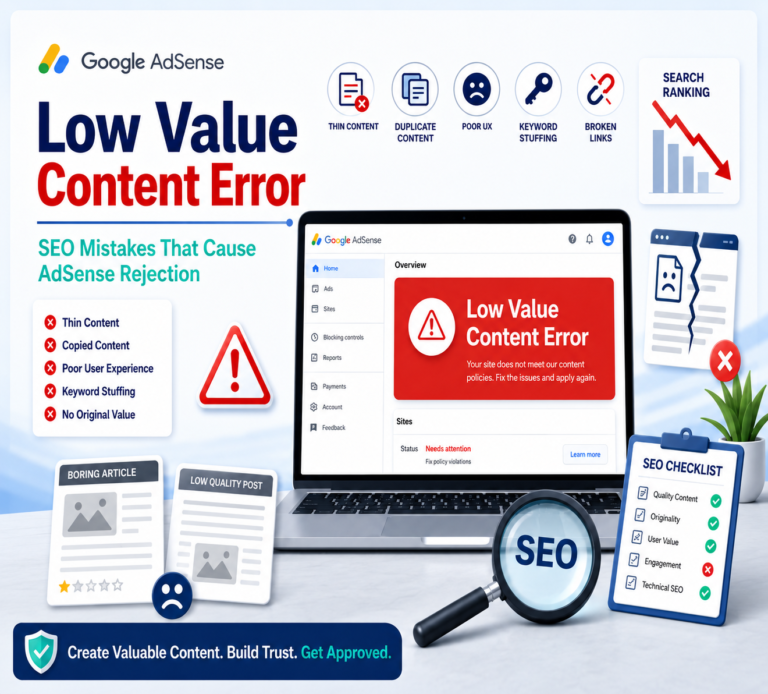
- Focusing only on keywords — Stuffing content with keywords makes it unreadable and ineffective.
- Ignoring mobile experience — Most searches happen on phones now.
- Copying competitors blindly — What works for them might not suit your audience.
- Neglecting technical basics — Slow loading speeds or broken links hurt rankings.
- Hiring the wrong help — Cheap “SEO experts” sometimes use risky tactics that can damage your site.
Another big mistake is treating SEO as a one-time project instead of an ongoing part of your marketing.
Step-by-Step Guide: How to Start SEO for Your Business
- Set Clear Goals — Do you want more local customers, online sales, or brand awareness?
- Claim Your Google Business Profile — Essential for local businesses.
- Optimize Your Website Basics — Make sure it loads fast, works on mobile, and has clear navigation.
- Do Simple Keyword Research — Find terms your customers actually search for.
- Create Helpful Content — Answer common questions and solve problems.
- Get Found Locally — Optimize for “near me” searches if relevant.
- Track Your Progress — Use free tools like Google Analytics and Search Console.
- Review and Improve — Regularly update old content and fix issues.
You don’t need to do everything at once. Start with the basics and build from there.
Tips Based on Experience
- Focus on quality over quantity. One great page is better than ten average ones.
- Be patient and consistent. SEO rewards steady effort.
- Combine SEO with other marketing — social media, email, and great customer service all help.
- Learn enough to have informed conversations with agencies or freelancers.
- Prioritize user experience. Happy visitors lead to better rankings over time.
- For small businesses, local SEO often gives the quickest returns.
- Document your progress. It helps you see what’s working and stay motivated.
If your budget allows, a one-time technical audit can save you headaches later.
Future Trends: SEO in Business
Search is becoming more conversational with voice search and AI summaries. Helpful, clear content that demonstrates real expertise will continue to win. We’ll likely see more emphasis on user experience, E-E-A-T (Experience, Expertise, Authoritativeness, Trustworthiness), and integrated marketing approaches.
Businesses that treat SEO as a long-term strategy rather than a quick fix will have the biggest advantage.
Final Thoughts: SEO Is an Investment in Your Business Future
Understanding what is SEO in business helps you see it as more than just a technical exercise. It’s about being visible to the right people at the right time — and building a website that works for both customers and search engines.
You don’t need to become an expert overnight. Start with the basics, stay consistent, and focus on providing real value. The results will come, often when you least expect them.
Your customers are searching right now. Make sure they can find you.
Take that first step today — whether it’s claiming your Google Business Profile, writing one helpful article, or fixing your site speed. Your future self (and your bank account) will thank you.