Table of Contents
- Introduction
- Understanding SEO Content Calendars
- Why a Strategic Post Calendar Matters for SEO
- How Do Companies Create Post Calendar for SEO: Step-by-Step Process
- Key Elements Every Effective SEO Calendar Needs
- Tools and Templates Companies Actually Use
- Advanced Tips for Maximum SEO Impact
- Benefits of Using a Professional Content Calendar
- Common Pitfalls and How to Avoid Them
- Frequently Asked Questions (FAQ)
- Conclusion
Introduction
Staying consistent with content while chasing SEO results feels overwhelming for many businesses. One week you publish great articles, then nothing for a month. Top-performing companies solve this problem with a well-designed post calendar.
If you’ve ever wondered how do companies create post calendar for SEO, you’re in the right place. This guide walks you through the exact process used by successful brands, with practical advice you can apply whether you’re a solo blogger or part of a large marketing team.
Understanding SEO Content Calendars
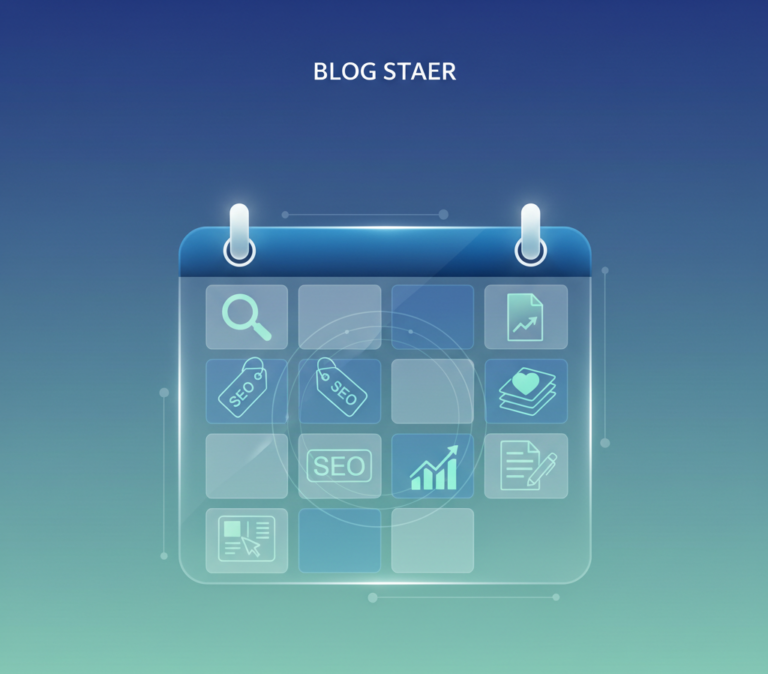
An SEO post calendar is more than just a list of publish dates. It’s a strategic plan that connects your content ideas with target keywords, audience needs, business objectives, and search engine optimization opportunities.
It helps teams organize topics, assign tasks, track progress, and ensure every piece of content works toward improving organic visibility. The best calendars balance evergreen content with timely, trending topics.
In simple words: Think of it as your SEO roadmap that keeps everyone on the same page and prevents random, ineffective publishing.
Why a Strategic Post Calendar Matters for SEO
Search engines reward websites that publish helpful, relevant content on a regular basis. A good calendar makes this consistency possible while maximizing impact.
Without planning, companies often:
- Miss important keyword opportunities
- Create content that doesn’t align with search intent
- Struggle with internal linking between related articles
- Fail to build strong topic clusters
A thoughtful SEO calendar changes that. It turns content marketing from a guessing game into a predictable growth engine.
How Do Companies Create Post Calendar for SEO: Step-by-Step Process
Here’s the proven process most successful companies follow:
Step 1: Define Goals and Target Audience
Start by answering key questions: What do we want to achieve? Who are we writing for?
Common goals include:
- Driving more organic traffic
- Generating qualified leads
- Establishing industry authority
- Supporting product launches or seasonal promotions
Step 2: Deep Keyword and Topic Research
This is where the magic begins. Companies spend significant time researching keywords before adding anything to the calendar.
They look for a healthy mix of high-volume keywords, long-tail phrases, and question-based searches. They also analyze competitors and identify content gaps.
Step 3: Develop Content Pillars and Clusters
Big companies build their calendar around 4-6 main content pillars. Then they create supporting cluster content that strengthens each pillar.
This approach helps establish E-E-A-T (Experience, Expertise, Authoritativeness, Trustworthiness) signals that Google loves.
Step 4: Build the Calendar Framework
Most teams use a spreadsheet or project management tool with these important columns:
- Target Publish Date
- Working Title
- Primary Keyword
- Secondary & LSI Keywords
- Content Format (blog post, guide, infographic, video, etc.)
- Word Count Goal
- Target Funnel Stage
- Responsible Team Member
- Status & Notes
Step 5: Set Realistic Publishing Cadence
Decide how many pieces you can create and promote consistently. Quality always beats quantity.
Numbered list for building your calendar:
- Brainstorm 30-50 content ideas
- Prioritize based on keyword potential and business value
- Spread ideas across upcoming months
- Add buffer weeks for unexpected needs
- Include time for promotion and repurposing
- Schedule quarterly reviews to adjust the plan
Step 6: Integrate Promotion and Measurement
Plan how each post will be promoted on social media, email newsletters, and other channels. Also decide which metrics you’ll track after publishing.
Key Elements Every Effective SEO Calendar Needs
- Balanced mix of content types
- Clear keyword strategy for each piece
- Internal linking opportunities noted
- Seasonal and trend-based content slots
- Buffer time for editing and SEO optimization
- Review and update process
Bold tip: Always leave some flexibility in your calendar. Trends and opportunities appear unexpectedly, and rigid plans can miss them.
Tools and Templates Companies Actually Use
Popular options include:
- Google Sheets (free and flexible)
- Notion for visual and collaborative planning
- CoSchedule or Airtable for advanced features
- Semrush Content Calendar or Ahrefs tools
- Trello or Asana for task management
Many companies start simple and upgrade tools as their team grows.
Advanced Tips for Maximum SEO Impact
- Plan content updates and refreshes for old articles
- Create “hub” pages that link to multiple cluster posts
- Align content with your sales cycle
- Include video and visual content in the mix
- Track ranking improvements and adjust future plans accordingly
Focus on creating genuinely helpful content that readers want to share and bookmark.
Benefits of Using a Professional Content Calendar
- Steady organic growth month after month
- Better team productivity and less stress
- Improved content quality through planning
- Stronger topical authority in your niche
- Easier performance tracking and strategy tweaks
- Higher return on content creation time and budget
Businesses with solid calendars usually outperform those publishing without direction.
Common Pitfalls and How to Avoid Them
- Making the calendar too ambitious and then burning out
- Focusing only on keywords instead of reader value
- Forgetting to promote published content
- Not updating the calendar based on real results
- Creating too much similar content without variety
Review your calendar every month and stay realistic about your team’s capacity.
Frequently Asked Questions (FAQ)
How do companies create post calendar for SEO effectively? They combine keyword research, topic strategy, and realistic scheduling in a shared document or tool, then review progress regularly.
How many months ahead should an SEO content calendar cover? Most companies plan 3 to 6 months in advance, with monthly check-ins to stay flexible.
What is the best publishing frequency for SEO? It depends on your resources, but consistency matters most. Many successful sites publish 2–8 times per month with high-quality pieces.
Do small businesses need a formal content calendar? Yes — even a simple monthly planner can dramatically improve SEO results compared to publishing whenever inspiration strikes.
Can a content calendar include social media and other channels? Absolutely. The best calendars coordinate blog posts with social promotion, email sends, and repurposed content.
Conclusion
Now you know how do companies create post calendar for SEO and why it makes such a big difference. A well-built calendar brings order to your content efforts and helps search engines notice your consistent value.
Start simple today. Open a spreadsheet, list your main topics, research a few strong keywords, and map out your next 10–15 posts. As you gain momentum, you can refine and expand the system.
The most successful companies don’t just create content — they plan it strategically. Build your SEO post calendar, stay consistent, and you’ll be amazed at how steadily your organic traffic and authority can grow.