I remember the exact Friday night it hit me. My wife and I were out of town for a quick getaway when the car started making a weird grinding noise. We pulled over, and I did what everyone does — grabbed my phone and typed “auto mechanic near me open now.” The results were terrible: a couple of places with no reviews, one that looked closed years ago, and another with a 1.8-star rating screaming “avoid.” We ended up driving 45 minutes to a shop I wasn’t sure about, stressed the whole time.
That night made me realize how much local SEO actually matters — not as some abstract marketing concept, but as something that directly affects real people when they need help fast. Since then, I’ve helped several small business owners fix their local presence, including my cousin who runs a busy Italian restaurant. The difference before and after was night and day. Here’s my straight-talk experience with why local SEO is so important in 2026.
The Frustrating Reality Most Business Owners Face
Most owners I talk to think they’re “doing okay” with a basic website and a Facebook page. Then they wonder why new customers aren’t showing up. Meanwhile, their competitors are popping up first when someone searches for their exact service.
I’ve sat across from a dentist whose practice was only getting patients from insurance lists. After we worked on his local SEO, he started seeing people who actually chose him because he ranked well and had great reviews. His schedule filled up with higher-quality appointments. That’s the kind of shift that pays real bills.
Why Local SEO Hits Different for Small and Medium Businesses
When someone needs a plumber at 9 PM because their basement is flooding, they’re not browsing review sites for hours. They want the best option right now, nearby, that they can trust. Local SEO puts you in front of those urgent, high-intent searches.
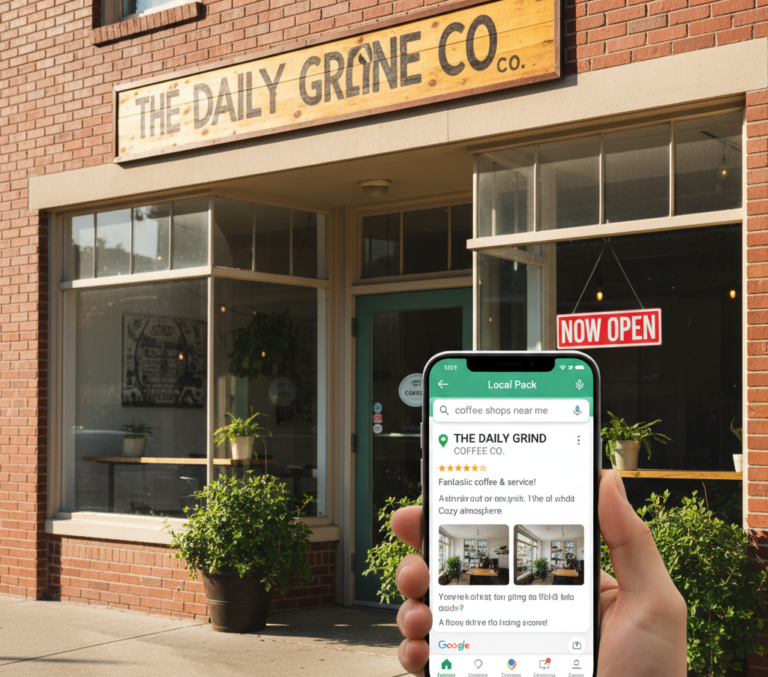
In 2026, Google’s local pack (the three businesses shown at the top with map) and the “near me” results dominate mobile searches. These positions get the majority of clicks. If you’re not there, you’re basically invisible to a huge chunk of potential customers.
I’ve tracked this across different businesses. A local bakery that optimized properly saw their weekend foot traffic increase by nearly 40% in one season. They didn’t spend on ads — they just made sure Google understood who they were, where they were, and what made them special.
Local SEO also builds trust fast. Complete profiles, recent photos, genuine reviews, and quick responses signal that you’re a legitimate, active business. People read reviews like crazy before choosing where to spend their money. One bad or missing profile can send customers straight to your competitor.
The Numbers I’ve Seen Play Out in Real Life
From hands-on work, businesses with strong local SEO typically see:
- More phone calls and direction requests
- Higher conversion rates because the traffic is hyper-relevant
- Better review momentum (happy customers from easy discovery leave reviews)
- Protection against big chain competition in your own backyard
One unexpected result I noticed: once a business climbs in the local pack, it creates a snowball effect. More visibility leads to more visits, more reviews, better rankings, and even more business. It’s one of the few marketing channels that genuinely compounds.
During slower seasons, the businesses that maintained their local SEO kept steadier revenue compared to those who let their profiles go stale.
My Practical Step-by-Step System for Local SEO
Here’s exactly what I do when helping a business:
- Google Business Profile Overhaul Claim it if you haven’t. Fill out every single section — hours, services, attributes, products/menu items, high-quality photos (at least 20-30), posts every week. This is the single biggest lever for most businesses.
- NAP Consistency Cleanup Make sure your Name, Address, and Phone number are identical everywhere online. Inconsistent data confuses Google. I use free tools to audit and fix listings on major directories.
- Review Strategy Create a simple process to ask for reviews ethically. Respond to every review within 24-48 hours. Thank positive ones and fix issues publicly on negative ones. This builds both social proof and ranking signals.
- Website Optimization Make sure your site is fast on mobile, has clear location pages, embedded Google Map, schema markup for LocalBusiness, and service area details. Contact info in footer and header on every page.
- Local Content Creation Write helpful posts or pages about local topics — “How to Prepare Your AC for [City] Summers,” neighborhood guides, event participation. This helps rankings and shows you’re part of the community.
- Track and Adjust Check Google Business Profile Insights weekly. Look at Search Console for local queries. Adjust based on what’s actually driving calls and visits.
For my cousin’s restaurant, we focused heavily on steps 1, 3, and photos of real food and happy customers. Reservations went up noticeably within six weeks, especially from people searching on Friday and Saturday nights.
Real Examples That Stick With Me
- Auto Repair Shop: Cleaned up their profile, added before/after photos of repairs, encouraged reviews. They started ranking for emergency repairs and increased weekend jobs significantly.
- Hair Salon: Location-specific landing pages plus regular GBP posts about stylist availability and promotions. They filled previously slow Tuesday slots.
- Law Firm: Professional photos, consistent citations, and schema markup helped them appear more trustworthy. More consultation bookings from local searches.
- Coffee Shop: User-generated content encouraged via reviews and posts created community feel. Became the go-to morning spot in their neighborhood.
The common thread? These weren’t massive overhauls requiring huge budgets. Mostly consistent effort on the right things.
Mistakes I’ve Made and Seen Others Make
- Set it and forget it — Created a profile once and never updated photos or hours. Google started showing outdated info and rankings dropped.
- Fake or bought reviews — One business tried this shortcut. Google detected it, tanked the profile, and it took months to recover. Never worth it.
- Ignoring mobile experience — Beautiful desktop site that loaded slowly on phones. Lost a ton of potential customers who bounced immediately.
- Keyword stuffing location pages — Wrote unnatural text like “Best plumber in [City] [City] [City]”. Google hates it, and customers can tell.
- Not responding to reviews — Negative ones left unanswered create doubt. Even a polite response can turn things around.
- Inconsistent hours — Listing different hours on different sites confuses both customers and Google.
I once advised a client to skip proper citation cleanup. Their rankings stayed stuck until we fixed it. Learned that basics beat fancy tactics every time.
What’s Changed in 2026 and Why It Matters More
Google is smarter about proximity, real user behavior, and authenticity. AI overviews now pull business info, so accurate data is critical. Voice searches like “find a pediatrician near me” continue growing. Businesses that maintain fresh, complete profiles win those.
Social proof and community signals (event participation, local backlinks) weigh heavier. Just having a profile isn’t enough anymore — you need to stay active.
The Bigger Picture
Local SEO isn’t just about ranking higher. It’s about being findable exactly when someone needs what you offer. In a noisy online world, it cuts through by connecting real businesses with real local needs.
For many owners I’ve worked with, improving their local presence wasn’t just about more money — it reduced stress, brought better customers, and gave them pride in their operation again.
If you run a local business and feel like you’re invisible online, start simple. Spend one focused afternoon on your Google Business Profile. You’ll likely see movement sooner than you expect. Then keep the momentum going.
What’s your biggest challenge with getting found locally? Whether you’re a business owner or someone who’s struggled to find good local services, drop your thoughts below. I read every comment and often share quick wins that have worked for others.
Right now I’m heading over to help another friend audit his profile. These small fixes really do move the needle.