

Introduction
Search Engine Optimization (SEO) is one of the most important aspects of online marketing. If you’re asking “SEO how to”, this guide will walk you through the essential steps to optimize your website for search engines, attract organic traffic, and improve visibility. Whether you’re a beginner, small business, or digital marketer, understanding SEO fundamentals and best practices is critical for long-term online success.
This guide covers SEO how to in a step-by-step manner, including keyword research, on-page optimization, technical SEO, link building, and performance tracking.
What Is SEO?
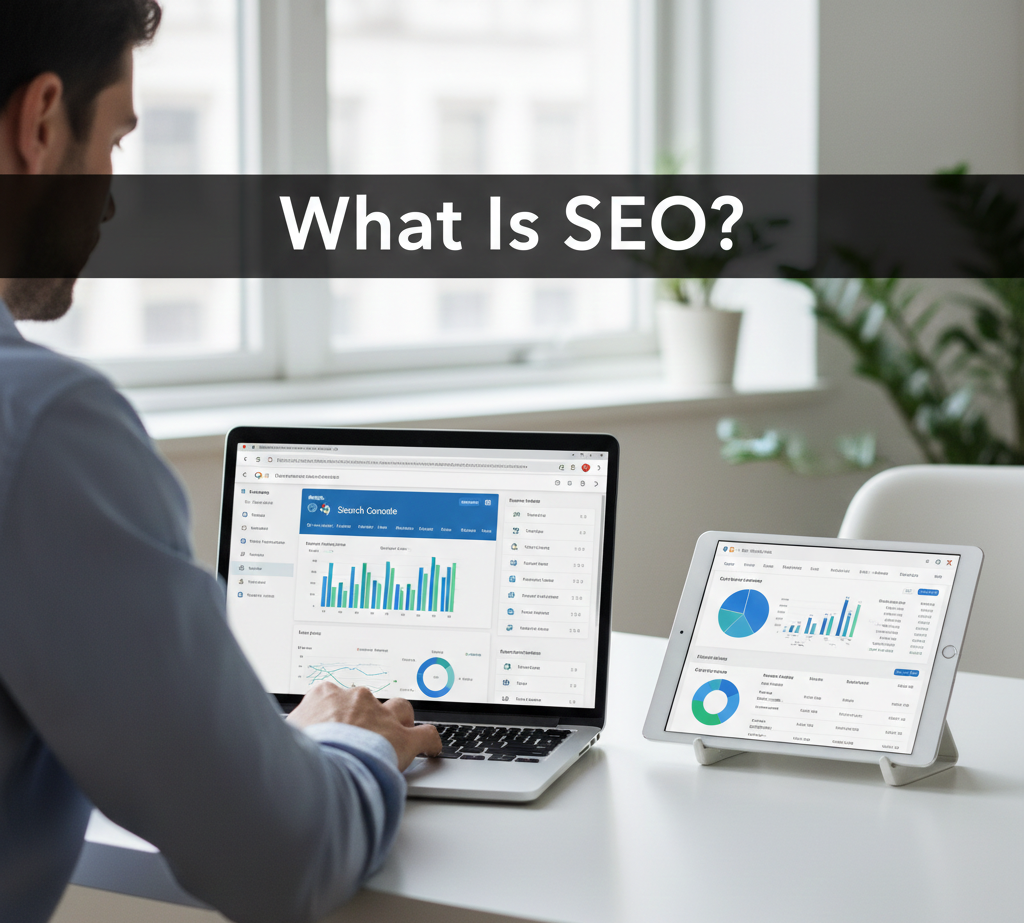
SEO, or Search Engine Optimization, is the process of improving your website so it ranks higher on search engine results pages (SERPs) for relevant queries. SEO is a combination of technical strategies, content creation, and user experience optimization.
The main goals of SEO are:
- Increase organic traffic
- Improve search engine rankings
- Enhance user experience
- Boost brand credibility and conversions
Step 1: Understand Your Audience
Before starting any SEO strategy, it’s essential to understand your audience:
- Who are they?
- What are their needs and pain points?
- What keywords or search terms are they using?
Tools like Google Analytics, Google Search Console, and social media insights help identify your audience demographics and behavior. Knowing your audience allows you to create content that aligns with their intent and improves engagement.
Step 2: Keyword Research (SEO How To)
Keyword research is the foundation of any SEO strategy. Here’s how to do it:
- Brainstorm Topics: Start with broad topics relevant to your niche.
- Use Keyword Tools: Tools like Ahrefs, SEMRush, Moz, or Google Keyword Planner provide search volume, competition, and related keyword ideas.
- Identify Intent: Understand the search intent behind each keyword:
- Informational (e.g., “SEO how to guide”)
- Navigational (e.g., “HubSpot SEO blog”)
- Transactional (e.g., “buy SEO tools”)
- Prioritize Keywords: Choose a mix of high-volume, low-competition, and long-tail keywords to target.
Pro Tip: Long-tail keywords often convert better because they target specific user intent.
Step 3: On-Page SEO (SEO How To)
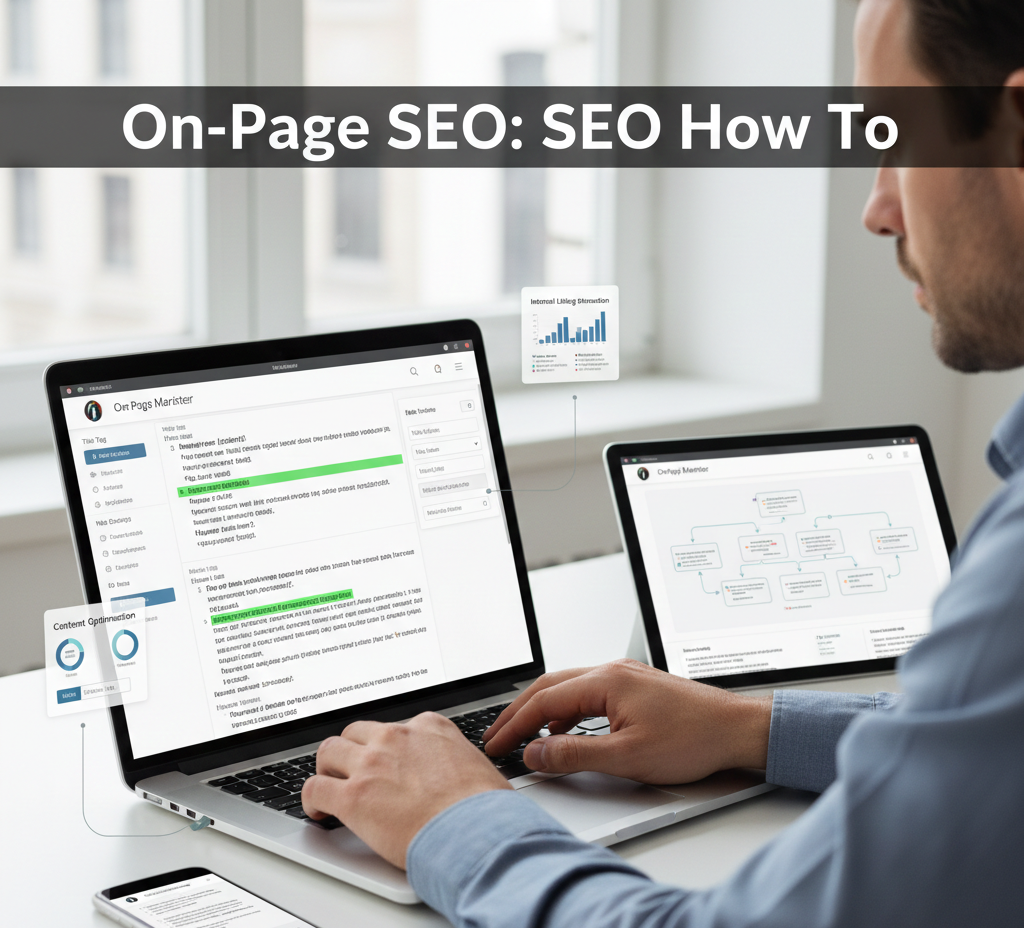
On-page SEO ensures your website content and structure are optimized for search engines. Key components include:
1. Title Tags and Meta Descriptions
- Include your primary keyword in the title tag
- Keep title tags under 60 characters
- Write compelling meta descriptions to increase click-through rates
2. Header Tags (H1, H2, H3)
- Use H1 for the main page title
- Use H2 and H3 for subheadings
- Include keywords naturally in headings
3. Content Optimization
- Create high-quality, original, and engaging content
- Naturally include primary and secondary keywords
- Use multimedia (images, videos, infographics) to enhance UX
4. URL Structure
- Keep URLs short, descriptive, and keyword-rich
- Example:
www.example.com/seo-how-to-guide
5. Internal Linking
- Link relevant pages within your website
- Helps search engines crawl your site efficiently
- Distributes link authority across pages
6. Image Optimization
- Compress images to reduce page load time
- Use descriptive file names and alt text with keywords
Step 4: Technical SEO (SEO How To)
Technical SEO ensures that your website is easily crawlable and indexable by search engines. Key elements include:
1. Mobile Optimization
- Ensure your website is responsive
- Test with Google’s Mobile-Friendly Tool
2. Page Speed
- Optimize images and videos
- Enable caching and minimize scripts
- Use tools like Google PageSpeed Insights or GTmetrix
3. Secure Website (HTTPS)
- HTTPS improves security and trust
- Google uses HTTPS as a ranking signal
4. XML Sitemap and Robots.txt
- Submit an XML sitemap to Google Search Console
- Use robots.txt to control crawling of specific pages
5. Fix Crawl Errors
- Regularly check for broken links, 404 errors, and redirects
- Use tools like Screaming Frog or Ahrefs
Step 5: Off-Page SEO (SEO How To)
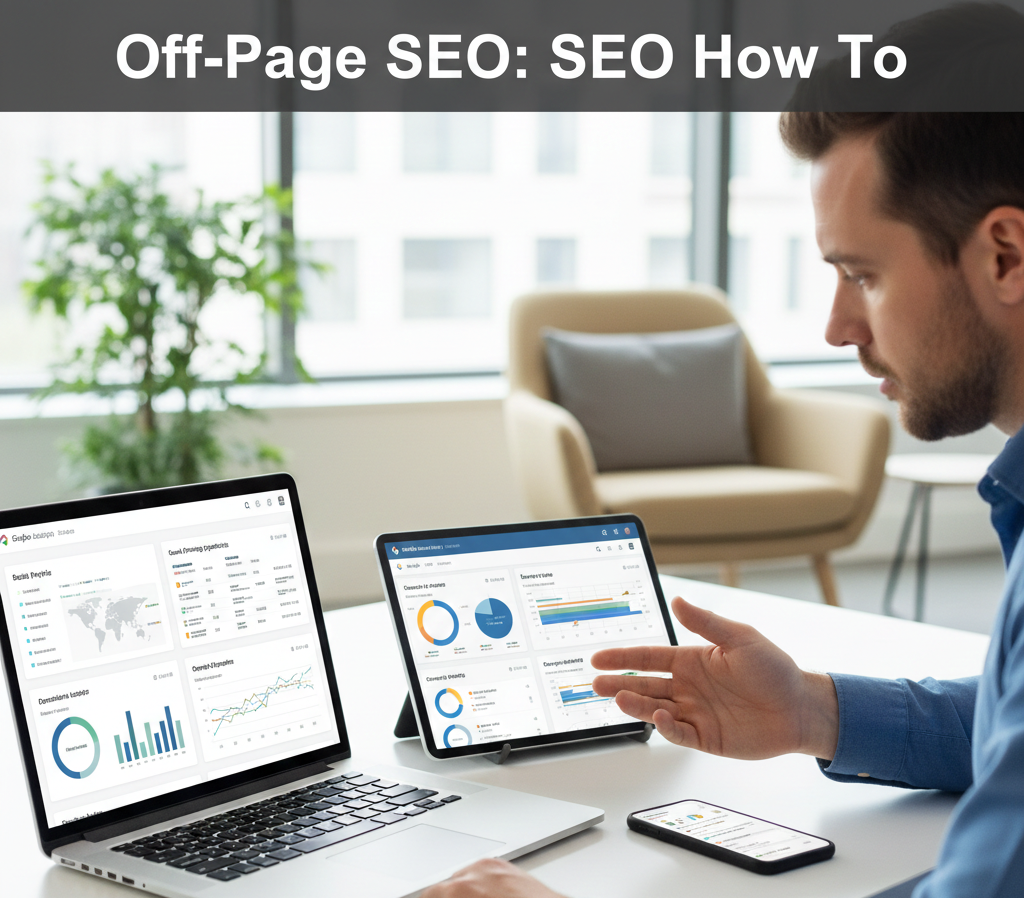
Off-page SEO refers to actions outside your website that impact rankings:
1. Backlink Building
- Acquire links from high-authority websites
- Guest posting, outreach, and partnerships are effective strategies
2. Social Signals
- Share content on social media platforms
- Encourage engagement, shares, and mentions
3. Local SEO
- Optimize Google Business Profile
- Build local citations and reviews
Pro Tip: Quality backlinks are more important than quantity. Focus on relevance and authority.
Step 6: Content Marketing and SEO
Content is the backbone of SEO. Implement a content strategy that:
- Targets keywords identified in research
- Answers audience questions and solves problems
- Uses multiple formats: blogs, guides, videos, infographics
- Updates old content to maintain relevance
SEO How To Tip: Always align content with user intent and the buyer’s journey (Awareness → Consideration → Decision).
Step 7: Monitor and Measure SEO Performance
Monitoring performance is essential to improve your SEO strategy. Key metrics include:
- Organic traffic growth
- Keyword rankings
- Bounce rate and session duration
- Backlink quality and growth
- Conversion rates from organic traffic
Tools for Monitoring:
- Google Analytics
- Google Search Console
- Ahrefs, SEMrush, Moz
Regular reporting ensures transparency and allows you to make data-driven decisions.
Common SEO Mistakes to Avoid
Even small errors can impact your SEO efforts. Avoid:
- Keyword stuffing
- Duplicate content
- Ignoring mobile optimization
- Slow-loading pages
- Missing meta descriptions or title tags
- Poor internal linking structure
Advanced SEO Tips (SEO How To)

1. Use Structured Data
- Implement schema markup for products, articles, events, or reviews
- Helps search engines display rich snippets
2. Focus on User Experience (UX)
- Clear navigation
- Fast page load times
- Readable fonts and design
3. Optimize for Voice Search
- Use natural language queries
- Target long-tail conversational keywords
4. Monitor Competitors
- Analyze competitor keywords and backlink profiles
- Identify content gaps and opportunities
5. Leverage AI Tools
- AI-powered content optimization tools help improve readability and keyword relevance
- Automate repetitive SEO tasks like meta tag creation or internal linking
SEO How To: DIY vs. Professional Services
While you can implement SEO yourself, professional services provide:
- Advanced keyword research
- Technical audits and fixes
- Continuous monitoring and strategy adjustments
- Time-saving expertise and proven results
Pro Tip: Businesses with larger websites or competitive niches benefit significantly from hiring a professional SEO service.
Conclusion
Learning SEO how to is essential for anyone looking to grow their online presence. By implementing keyword research, on-page optimization, technical SEO, content marketing, and off-page strategies, you can improve your search rankings, increase organic traffic, and boost conversions.
SEO is a long-term strategy that requires patience, consistency, and continuous learning. Whether you tackle it yourself or hire professionals, understanding the fundamentals of SEO ensures your website remains visible, competitive, and successful in the ever-evolving digital landscape.