Introduction
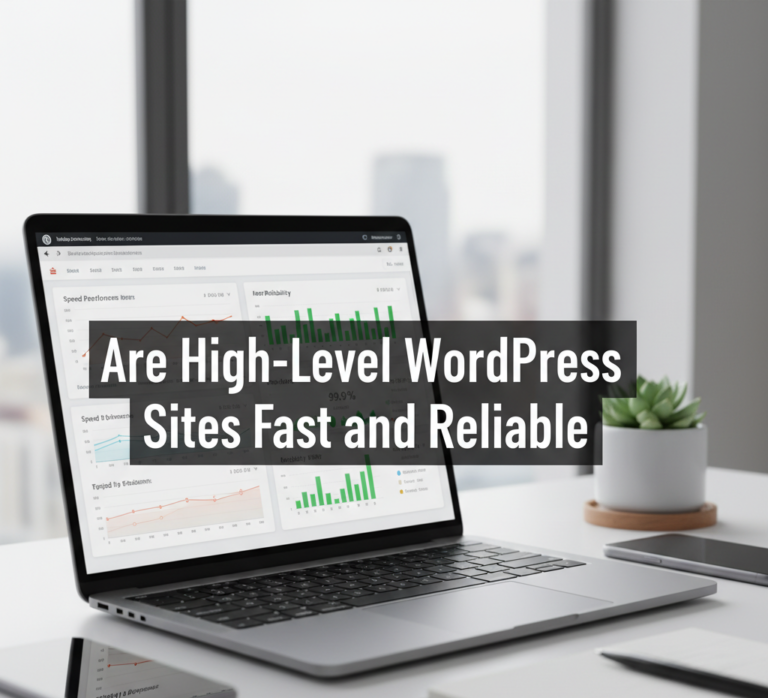
WordPress is the most popular content management system in the world, powering over 40% of websites. Businesses, bloggers, and developers rely on it for building everything from personal blogs to high-traffic corporate websites. But as websites grow in complexity and functionality, a common question arises: are high-level WordPress sites fast and reliable?
High-level WordPress sites often include custom themes, premium plugins, and complex functionality. While these features offer advanced capabilities, they may also affect website speed and reliability if not managed properly. In this article, we will explore the factors affecting WordPress site performance, the role of hosting, optimization techniques, and whether high-level WordPress sites can deliver both speed and reliability.
What Defines a High-Level WordPress Site?
A high-level WordPress site is more than a basic blog or simple website. It typically includes:
- Custom Design: Premium themes or fully customized designs tailored to the brand.
- Advanced Functionality: E-commerce stores, membership systems, booking platforms, or forums.
- Premium Plugins: Tools for SEO, security, performance, forms, and marketing automation.
- High Traffic Capacity: Sites built to handle thousands or even millions of visitors.
- Scalable Architecture: Optimized for growth, including caching, CDN, and optimized databases.
These features make high-level WordPress sites powerful but also introduce challenges related to speed, stability, and reliability.
Factors Affecting Speed of High-Level WordPress Sites
Website speed is critical for user experience, search engine rankings, and conversion rates. Several factors affect the speed of high-level WordPress sites:
1. Hosting Quality
The hosting provider is the backbone of any WordPress site. Shared hosting may struggle under heavy traffic, while managed WordPress hosting or cloud-based hosting ensures fast server response times.
Key Recommendations:
- Use managed WordPress hosting for high-level sites.
- Consider cloud hosting solutions like AWS, Google Cloud, or DigitalOcean.
- Ensure server resources match your website traffic and complexity.
2. Theme and Code Optimization
Premium themes or custom-built themes may include unnecessary scripts, heavy CSS files, or bloated code, which can slow down the site.
Optimization Tips:
- Choose lightweight, well-coded themes.
- Minimize unused features in themes.
- Compress CSS and JavaScript files using plugins like Autoptimize.
3. Plugin Management
Plugins add functionality but can also introduce performance issues. Using too many plugins or poorly-coded ones can slow down the site.
Best Practices:
- Limit plugins to essential functionality.
- Use reliable and regularly updated plugins.
- Test plugin compatibility and performance before deployment.
4. Images and Media Optimization
High-resolution images and videos can drastically reduce site speed.
Solutions:
- Compress images without losing quality using plugins like Smush or ShortPixel.
- Use lazy loading for images and videos to improve page load times.
- Serve videos via external platforms like YouTube or Vimeo when possible.
5. Caching and Content Delivery Network (CDN)
Caching stores static versions of pages to reduce server load, while CDNs distribute content globally to reduce latency.
Implementation:
- Use caching plugins such as W3 Total Cache or WP Rocket.
- Integrate a CDN like Cloudflare or KeyCDN.
- Minimize server requests and database queries.
6. Database Optimization
A cluttered database can slow down page generation. High-level WordPress sites often have large databases with posts, user accounts, comments, and plugin data.
Tips:
- Regularly clean up post revisions and unused tables.
- Optimize tables using plugins like WP-Optimize.
- Monitor database performance for high-traffic websites.
Factors Affecting Reliability of High-Level WordPress Sites
Reliability is equally important as speed. Users expect websites to be available 24/7 without crashes or errors. Key factors include:
1. Hosting Stability
Reliable hosting ensures uptime and handles traffic spikes without downtime. Managed WordPress hosting providers often include automatic backups and uptime monitoring.
2. Security Measures
High-level sites are prime targets for hackers. Security issues can cause downtime or data loss.
Security Measures:
- Install security plugins like Wordfence or Sucuri.
- Use SSL certificates for encrypted connections.
- Enable two-factor authentication for admin accounts.
3. Backup and Recovery Systems
Regular backups ensure you can restore your site quickly in case of errors or attacks.
Recommendations:
- Schedule automated backups.
- Store backups in multiple locations, including cloud storage.
- Test backup restoration regularly.
4. Plugin and Theme Updates
Outdated plugins or themes can cause conflicts and site crashes. Regular updates are essential for reliability.
Best Practices:
- Maintain a staging environment to test updates before deploying to production.
- Keep all components updated, including WordPress core.
- Remove unused or deprecated plugins.
5. Scalability for Traffic Spikes
High-level WordPress sites often attract large traffic volumes. Without scalable architecture, sudden traffic spikes can crash the site.
Solutions:
- Use cloud hosting with auto-scaling features.
- Implement caching and CDN to reduce server load.
- Optimize code and database queries for efficiency.
Are High-Level WordPress Sites Fast?
With proper optimization, high-level WordPress sites can be very fast. Key factors that determine speed include:
- Quality of hosting
- Optimized themes and code
- Efficient use of plugins
- Image and media management
- Caching and CDN implementation
Studies and real-world examples show that even complex WordPress sites can achieve sub-2-second page load times when optimized correctly.
Are High-Level WordPress Sites Reliable?
Reliability is also achievable with high-level WordPress sites when the following measures are in place:
- Stable and managed hosting
- Regular backups and recovery plans
- Strong security practices
- Plugin and theme maintenance
- Scalable infrastructure
Many high-traffic websites, including news portals, e-commerce stores, and educational platforms, rely on WordPress with minimal downtime, proving its reliability when properly managed.
Best Practices to Ensure Speed and Reliability
To maximize speed and reliability on high-level WordPress sites, consider these best practices:
- Use a Quality Hosting Provider – Managed hosting providers optimize server performance for WordPress.
- Optimize Themes and Plugins – Remove unused features and regularly audit for performance issues.
- Implement Caching and CDN – Reduce server load and improve global page load times.
- Optimize Media Files – Compress images, use lazy loading, and embed videos externally.
- Regular Maintenance – Keep WordPress core, themes, and plugins updated.
- Security Measures – Protect your site from attacks and ensure uptime.
- Database Optimization – Clean and optimize the database regularly to prevent slow queries.
- Performance Monitoring – Use tools like Google PageSpeed Insights, GTmetrix, or Pingdom to monitor speed and reliability.
Conclusion
So, are high-level WordPress sites fast and reliable? The answer is yes—but with a caveat. High-level WordPress sites have the potential to deliver both speed and reliability if they are built with proper planning, hosted on a quality server, optimized regularly, and secured properly.
By following best practices, implementing caching and CDNs, optimizing themes, plugins, and media, and using reliable hosting, high-level WordPress sites can match the performance of even custom-built enterprise websites.
WordPress remains a flexible and robust CMS, capable of handling complex sites efficiently when approached with the right strategy and tools. Businesses and developers who invest in optimization and maintenance can enjoy fast, reliable, and scalable WordPress websites for years to come.