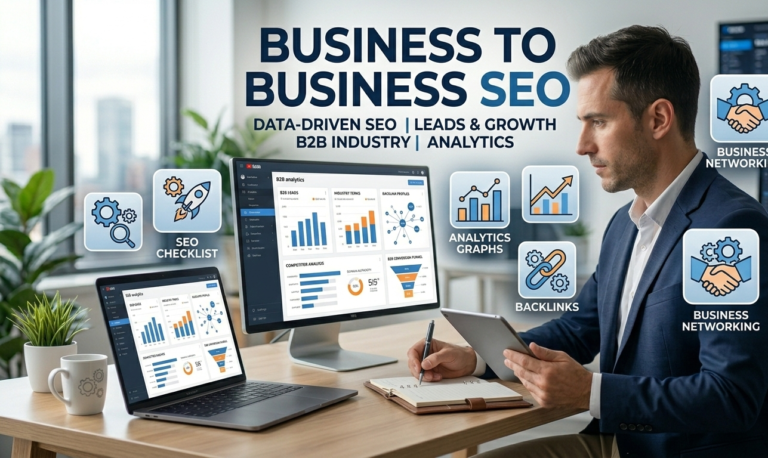
In the competitive digital landscape, Business to Business (B2B) SEO is essential for companies that want to attract qualified leads, establish authority, and drive revenue growth. Unlike B2C marketing, B2B SEO focuses on connecting with businesses rather than individual consumers, requiring specialized strategies and approaches.
This comprehensive guide explores what B2B SEO is, its unique challenges, effective strategies, essential tools, and best practices to help companies succeed in the B2B marketplace.
What is Business to Business SEO?
Business to Business SEO refers to the process of optimizing a website and its content to attract other businesses as potential clients. The goal is to increase organic visibility on search engines like Google, Bing, and industry-specific platforms, driving high-quality traffic and generating qualified leads.
B2B SEO differs from B2C SEO in several key ways:
- Longer Sales Cycles: B2B purchases often involve multiple stakeholders and a longer decision-making process.
- Higher Value Products/Services: B2B transactions are typically more complex and expensive.
- Niche Targeting: B2B SEO often focuses on niche-specific keywords to reach decision-makers.
- Content Depth: Businesses need detailed, authoritative content to establish trust and expertise.
Why B2B SEO is Important
Implementing effective B2B SEO strategies offers several benefits:
- Attract Qualified Leads: Targeted optimization ensures your website reaches businesses actively searching for your products or services.
- Build Brand Authority: High-ranking, informative content establishes credibility in your industry.
- Increase Website Traffic: Organic search can drive consistent traffic over time without relying solely on paid campaigns.
- Enhance ROI: SEO investments typically yield long-term returns by generating leads with lower cost-per-acquisition than paid ads.
- Support Multi-Channel Marketing: Optimized content can fuel email marketing, social media, and account-based marketing campaigns.
Key Differences Between B2B and B2C SEO
| Aspect | B2B SEO | B2C SEO |
|---|---|---|
| Target Audience | Businesses, decision-makers, stakeholders | Individual consumers |
| Content Focus | Detailed, technical, educational content | Emotional, lifestyle, or entertainment-driven content |
| Sales Cycle | Long, often months or years | Short, often immediate purchase |
| Keywords | Niche, long-tail, industry-specific | Broad, high-volume, general keywords |
| Conversion Goals | Lead generation, demos, consultations | Online purchases, subscriptions, downloads |
Understanding these differences is crucial for developing an effective B2B SEO strategy.
Common Challenges in B2B SEO
- Longer Decision-Making Process: Multiple stakeholders can complicate conversion tracking and lead attribution.
- Niche Keyword Targeting: High-value B2B products often have fewer searches, requiring careful keyword research.
- Content Production: Creating authoritative content that addresses complex business problems takes more effort.
- Measuring ROI: B2B leads are fewer but more valuable, making traditional metrics like traffic insufficient for performance evaluation.
- Competitive Industry Landscape: B2B industries can be highly competitive, requiring advanced SEO tactics to outrank competitors.
Effective B2B SEO Strategies
1. Keyword Research and Targeting
- Focus on long-tail keywords and niche phrases specific to your industry.
- Use tools like SEMrush, Ahrefs, and Google Keyword Planner to identify search intent.
- Segment keywords by sales funnel stage: awareness, consideration, and decision.
2. Content Marketing
- Produce high-quality, authoritative content:
- Whitepapers, case studies, and industry reports
- Blog posts targeting common business challenges
- How-to guides and instructional videos
- Optimize content with relevant keywords, internal links, and structured headings.
3. Technical SEO
- Ensure fast loading times, mobile responsiveness, and secure HTTPS connections.
- Use schema markup to highlight products, services, and events for better search visibility.
- Optimize URL structure, sitemaps, and canonical tags for easier indexing.
4. On-Page SEO
- Craft compelling meta titles and descriptions with targeted keywords.
- Use clear H1, H2, and H3 headings to organize content.
- Optimize images with alt tags and descriptive filenames.
5. Link Building
- Acquire high-quality backlinks from industry-relevant websites, publications, and partners.
- Engage in guest blogging, partnerships, and PR campaigns.
- Monitor backlinks to remove low-quality or spammy links.
6. Account-Based Marketing (ABM) Support
- Integrate SEO with ABM campaigns to target specific companies and decision-makers.
- Create personalized landing pages optimized for keywords related to your target accounts.
7. Local and Industry-Specific SEO
- Optimize for local searches if your services target specific regions or industries.
- Ensure business listings are accurate on platforms like Google My Business and LinkedIn.
B2B SEO Tools You Should Use
- SEMRush: Keyword research, competitor analysis, and backlink tracking.
- Ahrefs: Comprehensive SEO analytics, content gap analysis, and link-building tools.
- Moz Pro: Keyword tracking, site audits, and on-page optimization insights.
- HubSpot: Inbound marketing platform with SEO, content, and lead tracking.
- Google Analytics & Search Console: Monitor traffic, conversions, and indexing issues.
- Screaming Frog SEO Spider: Technical audits for large B2B websites.
Measuring B2B SEO Success
Tracking performance is key for optimizing strategy:
- Organic Traffic: Monitor growth in visitors from search engines.
- Keyword Rankings: Track movement for high-value industry keywords.
- Leads Generated: Measure form submissions, demo requests, and consultations.
- Conversion Rate: Evaluate how SEO traffic converts into paying clients.
- Engagement Metrics: Time on site, pages per session, and bounce rate indicate content quality.
Common B2B SEO Mistakes
- Focusing Only on High-Volume Keywords: Missing niche, highly relevant search terms.
- Neglecting Technical SEO: Slow site speed or poor mobile experience reduces rankings.
- Ignoring Content Quality: Thin or generic content fails to convert B2B leads.
- Overlooking Analytics: Without tracking, it’s hard to optimize or measure ROI.
- Not Aligning SEO with Sales Goals: SEO efforts should support lead generation and business objectives.
Best Practices for Successful B2B SEO
- Conduct detailed keyword research targeting decision-makers and business pain points.
- Produce authoritative, in-depth content tailored to your audience.
- Implement robust technical SEO practices to ensure indexing and performance.
- Build high-quality backlinks from reputable industry sources.
- Use analytics to monitor performance, refine strategy, and report ROI.
- Integrate SEO with broader marketing efforts, including ABM, email campaigns, and social media.
Conclusion
Business to Business SEO is a critical strategy for companies looking to increase visibility, attract qualified leads, and grow revenue. While B2B SEO presents unique challenges such as long sales cycles and niche targeting, applying the right strategies, leveraging the right tools, and avoiding common mistakes can drive significant long-term results.
By combining technical SEO, content marketing, keyword optimization, link building, and analytics, B2B companies can create a robust SEO framework that supports both lead generation and brand authority in their industry.
Implementing these best practices ensures that your B2B business can compete effectively, reach the right decision-makers, and convert organic traffic into loyal clients.