
SEO changes can feel like weather alerts that never stop. One day it’s a ranking update, the next it’s AI answers, spam policy talk, or a fresh wave of hot takes on social media.
That’s why following Google SEO news needs a simple filter. Not every headline matters, and not every traffic dip points to Google. This guide breaks down what counts as real news, which changes matter most in March 2026, and how to respond without chasing every rumor.
What counts as real Google SEO news, and what is just noise?
Real Google SEO news usually falls into four buckets. First, there are official Google announcements. Second, there are confirmed ranking updates. Third, there’s solid industry reporting that explains what changed. Last, there’s speculation, which spreads fast and often ages badly.
The trouble is that these sources look similar in a busy feed. A dramatic post on X can sound more urgent than a dry update in Google documentation. Still, the dry update is usually the one that matters.
The sources worth watching first
Start with first-hand sources. Google Search Central, official Google blog posts, Search Console messages, and updated documentation should come before forum chatter or screenshots without context.
Here’s a simple way to sort sources:
| Source | Why it matters |
|---|---|
| Google Search Central | Official updates, guidance, and policy changes |
| Search Console messages | Direct signals about your own site |
| Google documentation | Updated rules and best practices |
| Trusted SEO publishers | Useful analysis and pattern spotting |
The main takeaway is simple: official sources tell you what changed, while good publishers help explain what it means.
Common SEO rumors that waste time
Some rumors spread because they feel true. A site loses traffic, and people blame AI right away. In reality, the cause may be weaker content, lost internal links, slow indexing, or a broken template.
Single case studies also create confusion. One publisher may recover after deleting pages, while another improves after adding more pages. That doesn’t make either tactic universal.
If a claim skips your own data, treat it like noise until proven otherwise.
The biggest Google SEO news trends shaping search right now
The biggest shifts in March 2026 are not hidden. They show up in how Google answers queries, how it judges content quality, and how technical problems limit visibility.
AI Overviews and answer engines are changing the click path
Google now answers more questions inside search results. AI Overviews and similar answer features can shorten the path between question and answer. As a result, some searches send fewer clicks than they used to.
That sounds scary, but it’s not the end of organic search. Strong pages still matter because Google needs reliable sources to pull from, compare, and cite. In many cases, users also move from a quick answer to a deeper follow-up search.
So the goal has shifted a bit. You’re not only trying to win a blue link. You’re also trying to be the source behind the answer, the brand people trust, and the page that satisfies the next question.
This is where AI SEO overlaps with classic SEO. Clear structure, direct answers, expert backing, and good topic coverage help both search engines and AI systems understand your page.
Helpful content, trust signals, and first-hand expertise still matter
Google keeps pushing in the same direction here. Pages that solve a real problem tend to hold up better than thin pages built only to rank.
That matters for nearly every niche. A product review should show real use, not generic claims. A local service page should explain what the business actually does in that area. Health and finance content needs extra care because weak advice can hurt people.
Trust signals are rarely one magic badge. Instead, they build through small signals working together. Clear authorship helps. Fresh facts help. Real examples help. So do strong about pages, contact details, and a site that looks maintained, not abandoned.
Copied, scaled, or vague content still struggles. If a page feels like it could fit any site in the same niche, it probably lacks what Google wants.
Technical SEO news still affects visibility
Technical SEO still matters because Google can’t rank what it can’t crawl, render, or index well. Most technical news falls into a few practical areas: indexing issues, crawl efficiency, structured data, page experience basics, and JavaScript rendering.
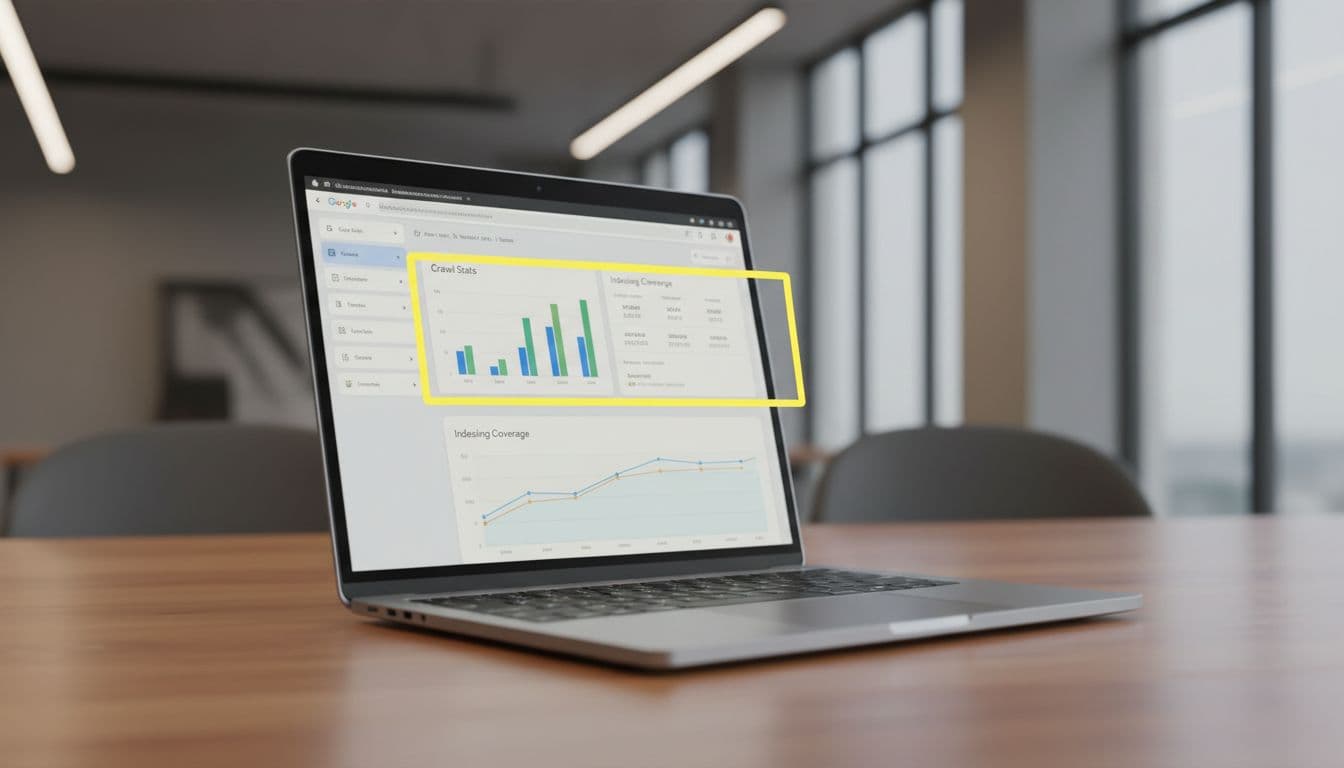
When traffic changes, these checks still matter. A page may be great, but poor canonicals, blocked resources, or rendering problems can hide it from Google. Structured data also helps search engines understand page type and context, even if it doesn’t guarantee rankings.
Page experience is part of this too, though it’s not a shortcut. Fast, usable pages support good content. They don’t replace it.
How to turn Google SEO news into a smart action plan
The best response to SEO news is calm, not speed. News should trigger a review, not a site-wide rewrite.
Check your own data before making changes
Open Search Console first. Review clicks, impressions, top landing pages, and query trends. Then compare device splits, country shifts, and any recent site changes.
This matters because not every traffic drop comes from a Google update. A redesign, title tag change, bad deploy, or tracking issue can create the same panic.
Look for patterns before you act. If one section dropped while the rest stayed stable, the problem may be local, not site-wide.
Prioritize fixes that improve users first
Once you confirm an issue, start with changes that help real visitors. Tighten page titles. Improve internal links. Update stale pages. Clarify headings and intros. Fix crawl or indexing errors that block strong content.
Small businesses, publishers, and in-house teams all benefit from this approach because it keeps work tied to outcomes. You’re not reacting to noise. You’re improving pages people actually use.
In short, respond with evidence, not panic.
Conclusion
Google SEO news moves fast, but smart site owners don’t need to flinch at every headline. Track trusted sources, watch your own data, and focus on useful pages people can trust. That approach works in classic search and in AI-driven results. When the next wave of Google SEO news hits, steady improvement will beat guesswork every time.