On-page SEO is the backbone of successful search engine optimization. No matter how strong your backlinks or marketing efforts are, your website cannot rank consistently without proper on-page optimization. This is where on-page SEO packages play a crucial role.
In this detailed guide, we’ll explain what on-page SEO packages are, what they include, why they matter, how to choose the right package, and how professional on-page SEO services can dramatically improve your rankings, traffic, and conversions.
What Are On-Page SEO Packages?
On-page SEO packages are structured service plans designed to optimize individual web pages for search engines and users. These packages focus on improving content, HTML elements, website structure, and user experience to ensure search engines clearly understand your website’s relevance.
Unlike off-page SEO, which focuses on backlinks, on-page SEO deals with everything within your website.
Core goal of on-page SEO:
- Improve keyword relevance
- Enhance user experience
- Increase organic visibility
- Boost conversion potential
Why On-Page SEO Packages Are Essential
Search engines rely heavily on on-page signals to determine rankings. Without proper optimization, even high-quality content may remain invisible.
Key benefits of on-page SEO packages:
- Higher keyword rankings
- Improved click-through rates (CTR)
- Better user engagement
- Faster indexing
- Reduced bounce rate
- Stronger content relevance
On-page SEO is also fully controllable, making it one of the most cost-effective SEO investments.
What’s Included in Professional On-Page SEO Packages?
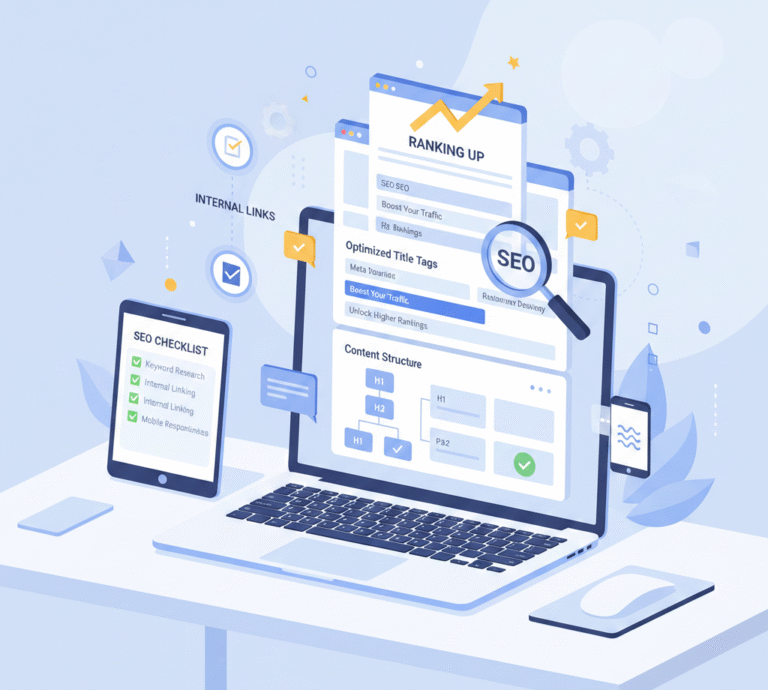
A comprehensive on-page SEO package covers technical, content, and UX elements. Below is a breakdown of essential components.
1. Keyword Research & Mapping
Effective on-page SEO starts with proper keyword targeting.
What’s included:
- Primary keyword research
- Long-tail keyword discovery
- Search intent analysis
- Keyword mapping per page
This ensures every page targets one main keyword and several supporting keywords, avoiding cannibalization.
2. SEO-Optimized Content Enhancement
Content is the most critical on-page factor.
Optimization includes:
- Keyword placement optimization
- Improving readability and structure
- Content expansion (where needed)
- NLP and semantic keyword integration
Content is refined to satisfy both search engines and real users.
3. Title Tag Optimization
Title tags are among the strongest ranking signals.
Best practices followed:
- Optimal length (50–60 characters)
- Keyword-focused titles
- Branding inclusion
- High CTR appeal
Well-written title tags directly increase click-through rates from SERPs.
4. Meta Description Optimization
Although not a direct ranking factor, meta descriptions influence user behavior.
Optimization includes:
- Persuasive copywriting
- Keyword inclusion
- Proper length (150–160 characters)
- Call-to-action phrases
Better meta descriptions = higher organic clicks.
5. Header Tag Structure (H1–H6)
Proper heading hierarchy improves readability and SEO clarity.
Included tasks:
- One optimized H1 per page
- Logical H2 and H3 usage
- Keyword placement in headings
- Improved content scannability
This helps search engines understand content topics clearly.
6. URL Structure Optimization
Clean URLs improve user trust and crawl efficiency.
URL improvements:
- Short and descriptive URLs
- Keyword-rich structure
- Removal of unnecessary parameters
- Consistent formatting
Example:example.com/on-page-seo-packages
7. Image Optimization & Alt Text
Images can drive traffic through image search and improve UX.
Image SEO includes:
- Image compression
- Descriptive file names
- SEO-friendly alt attributes
- Faster page load times
Proper image optimization also supports accessibility.
8. Internal Linking Optimization
Internal links distribute authority and improve crawl depth.
Included actions:
- Strategic internal link placement
- Contextual anchor text optimization
- Fixing orphan pages
- Improving navigation flow
Strong internal linking boosts rankings across the site.
9. Page Speed & UX Improvements
User experience is a ranking factor.
Optimization areas:
- Core Web Vitals alignment
- Mobile responsiveness
- Readability improvements
- Layout and spacing fixes
Better UX leads to longer session durations and lower bounce rates.
10. Mobile-Friendly Optimization
Google uses mobile-first indexing.
On-page mobile SEO includes:
- Responsive design checks
- Mobile readability
- Touch-friendly elements
- Mobile page speed improvements
Mobile optimization is no longer optional—it’s essential.
11. Schema Markup Implementation
Structured data improves SERP appearance.
Common schema types:
- Article schema
- FAQ schema
- Breadcrumb schema
- Product schema
Schema increases visibility through rich results and featured snippets.
12. Duplicate Content & Canonical Tags
Duplicate content confuses search engines.
Fixes included:
- Canonical tag implementation
- URL version control
- Pagination handling
This ensures ranking signals are consolidated correctly.
Types of On-Page SEO Packages
Different businesses require different levels of optimization.
Basic On-Page SEO Package
Ideal for small websites or startups.
Includes:
- Keyword research (limited)
- Title & meta optimization
- Basic content optimization
- Image alt text
- Internal linking basics
Standard On-Page SEO Package
Perfect for growing businesses.
Includes:
- In-depth keyword research
- Full content optimization
- Headers & URL optimization
- Image SEO
- Internal linking
- Mobile optimization
Advanced On-Page SEO Package
Best for competitive industries.
Includes:
- Advanced keyword mapping
- Content rewriting & expansion
- Schema markup
- Core Web Vitals optimization
- UX improvements
- Conversion optimization
Who Needs On-Page SEO Packages?
On-page SEO services are suitable for:
- Business websites
- eCommerce stores
- Bloggers
- SaaS companies
- Local businesses
- Affiliate websites
If you want sustainable rankings, on-page SEO is non-negotiable.
How to Choose the Right On-Page SEO Package
When selecting a package, consider:
- Website size
- Competition level
- Business goals
- Current SEO health
- Budget
Avoid cheap packages that promise instant rankings—quality optimization takes time.
Common On-Page SEO Mistakes to Avoid
- Keyword stuffing
- Duplicate titles and meta descriptions
- Ignoring search intent
- Poor internal linking
- Unoptimized images
- Thin content
Professional on-page SEO packages prevent these costly mistakes.
On-Page SEO Packages vs DIY SEO
While DIY SEO is possible, professional packages save time and ensure accuracy.
Professional packages offer:
- Expert analysis
- Proven strategies
- Updated best practices
- Scalable results
This leads to faster and more sustainable growth.
Final Thoughts on On-Page SEO Package
On-page SEO packages provide a structured, strategic approach to improving your website’s visibility and performance. By optimizing content, structure, and user experience, these packages lay the groundwork for long-term SEO success.
Whether you’re a small business or a large brand, investing in the right on-page SEO package can dramatically improve rankings, traffic, and conversions.
If you want your website to compete and grow organically, on-page SEO is the foundation you can’t ignore.