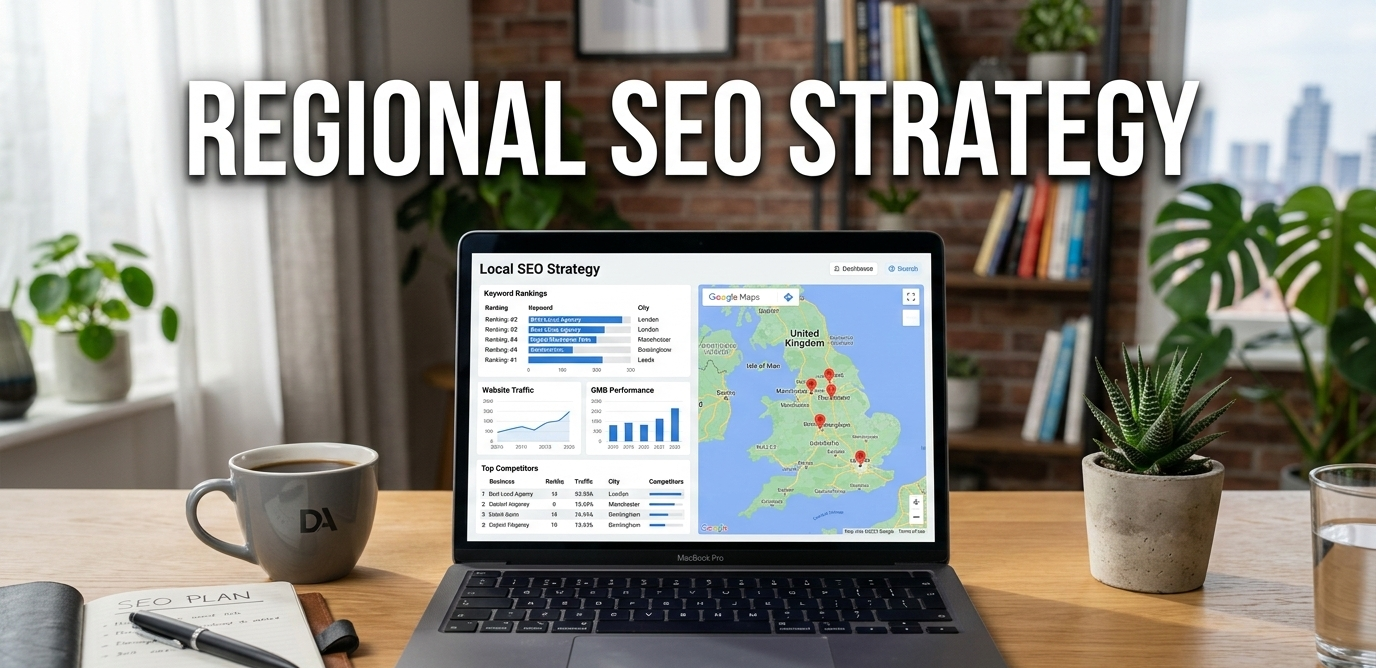
In today’s competitive digital landscape, businesses cannot rely solely on generic national SEO. For companies targeting customers in specific cities, towns, or regions, a regional SEO strategy is essential. This approach helps businesses appear prominently in local search results, attract highly relevant traffic, and generate leads from their target geographic area.
In this guide, we will explore what regional SEO is, why it is important, key strategies, tools, and best practices to ensure businesses achieve sustainable growth.
What Is Regional SEO?
Regional SEO (also called local SEO) is a set of techniques that optimizes a business’s online presence to target customers in a specific geographic area. Unlike traditional SEO that focuses on national or global audiences, regional SEO ensures your business shows up in searches like:
- “Best coffee shop in Chicago”
- “Plumber near me in Atlanta”
- “Digital marketing agencies in Los Angeles”
The goal is to increase visibility among local customers actively searching for products or services in a defined region.
Why Regional SEO Is Important for Businesses
1. Targeted Local Traffic
Regional SEO ensures your business reaches users in your service area. This highly targeted traffic is more likely to convert into leads and customers.
2. Competitive Advantage
Smaller businesses can compete with larger brands in their locality by optimizing regional SEO. Appearing in local search results can often be easier than ranking nationally.
3. Higher Conversion Rates
Local searches typically have higher purchase intent. Customers searching for a product or service nearby are often ready to buy or visit, resulting in higher conversion rates.
4. Enhanced Brand Awareness
By consistently appearing in local search results, businesses increase brand visibility in their community. Over time, this builds trust and authority among local customers.
5. Cost-Effective Marketing
Regional SEO focuses resources on the audience that matters most. Compared to broad advertising campaigns, it offers higher ROI by attracting potential customers in your immediate region.
Key Components of a Regional SEO Strategy
A successful regional SEO strategy combines multiple elements:
1. Google Business Profile Optimization
Google Business Profile (formerly Google My Business) is a cornerstone of regional SEO:
- Ensure your business name, address, and phone number (NAP) are accurate
- Add high-quality images of your location, products, or services
- Collect and respond to customer reviews
- Select relevant categories and services
- Post updates or offers regularly
Optimizing your profile improves visibility in Google Maps and local search results.
2. Local Keyword Research
Regional SEO requires targeting location-specific keywords. For example, a bakery in Houston would optimize for keywords like:
- “Best bakery in Houston”
- “Houston cupcakes delivery”
- “Custom cakes near me”
Use keyword research tools to identify search volume, competition, and intent. Include city or region names naturally in titles, meta descriptions, headings, and content.
3. On-Page SEO for Regional Focus
Optimize your website pages for regional relevance:
- Include your location in page titles, meta descriptions, and headings
- Add structured data (schema markup) for local businesses
- Embed Google Maps on your contact page
- Ensure your NAP details are consistent across all pages
Regional on-page SEO strengthens your local search relevance and helps search engines understand your business location.
4. Local Content Creation
Content marketing is vital for regional SEO. Focus on content that appeals to your local audience:
- Blog posts about local events, news, or industry developments
- Guides or tutorials relevant to your community
- Customer success stories and case studies from local clients
- Videos highlighting your services in the region
High-quality local content attracts backlinks, engagement, and improves search rankings.
5. Local Citations and Directories
Local citations are mentions of your business online, including name, address, and phone number. They appear in:
- Local business directories
- Review sites (Yelp, TripAdvisor, Angi)
- Chamber of commerce listings
Accurate and consistent citations boost local credibility and help search engines verify your business information.
6. Online Reviews and Reputation Management
Reviews play a critical role in regional SEO:
- Encourage satisfied customers to leave reviews on Google and other platforms
- Respond professionally to all reviews, positive or negative
- Monitor reviews regularly to maintain a positive reputation
Businesses with strong reviews rank higher in local searches and attract more clicks.
7. Mobile Optimization
Many regional searches are performed on mobile devices. Ensure your website is:
- Mobile-friendly and responsive
- Fast-loading on all devices
- Easy to navigate with clear calls-to-action
A seamless mobile experience improves user engagement and search rankings.
8. Local Link Building
Acquire backlinks from authoritative local websites to enhance credibility:
- Partner with local bloggers or influencers
- Sponsor community events and get mentions on websites
- Collaborate with other local businesses for guest posts or features
Local links strengthen your website’s authority within your region.
9. Social Media Engagement
Engage with your community through social media:
- Share local news, events, and promotions
- Interact with followers through comments and messages
- Encourage user-generated content related to your business
Social signals support SEO indirectly and enhance brand visibility.
10. Analytics and Continuous Improvement
Track the performance of your regional SEO efforts:
- Monitor keyword rankings and organic traffic
- Track Google Maps views and clicks
- Analyze conversion rates from local search traffic
- Adjust strategy based on performance metrics
Regular monitoring ensures ongoing improvement and long-term growth.
Common Mistakes in Regional SEO
- Inconsistent NAP across online platforms
- Ignoring Google Business Profile optimization
- Using generic keywords instead of location-specific terms
- Neglecting online reviews and reputation management
- Failing to create locally relevant content
- Overlooking mobile optimization
Avoiding these mistakes ensures your regional SEO strategy is effective and sustainable.
Benefits of a Strong Regional SEO Strategy
- Higher local search rankings
- Increased foot traffic and leads
- Stronger brand authority in your region
- Better ROI compared to traditional advertising
- Sustainable, long-term online presence
Businesses that implement a comprehensive regional SEO strategy enjoy higher engagement, trust, and revenue from their local audience.
Future Trends in Regional SEO
- Voice Search Optimization: Many local searches are voice-based (“near me” queries).
- AI-Powered SEO Tools: Automating keyword research and content optimization.
- Mobile-First Indexing: Google prioritizes mobile-friendly websites.
- Hyperlocal Marketing: Targeting neighborhoods or districts within a city.
- User Experience Optimization: Faster, more interactive local websites.
Staying ahead of these trends ensures businesses maintain a competitive edge in local search results.
Conclusion
A regional SEO strategy is no longer optional—it is essential for businesses targeting specific areas. By combining local keyword optimization, Google Business Profile management, mobile-friendly design, content creation, and reputation management, businesses can attract high-quality local traffic, increase conversions, and build strong community recognition.
Whether you are a small business, a chain, or a service provider, investing in regional SEO ensures long-term visibility, growth, and sustainable online success.