In the digital era, businesses thrive or falter based on their online visibility. Search Engine Optimization (SEO) is at the heart of driving organic traffic, increasing brand recognition, and generating leads. But what does it mean to understand SEO inside your business? This article dives deep into the concept of SEO inside—how it works, why it’s crucial, and actionable strategies to implement it effectively.
Understanding SEO inside your website and digital strategy allows you to uncover hidden opportunities, optimize every aspect of your online presence, and outperform competitors in search engine rankings.
What is SEO Inside?
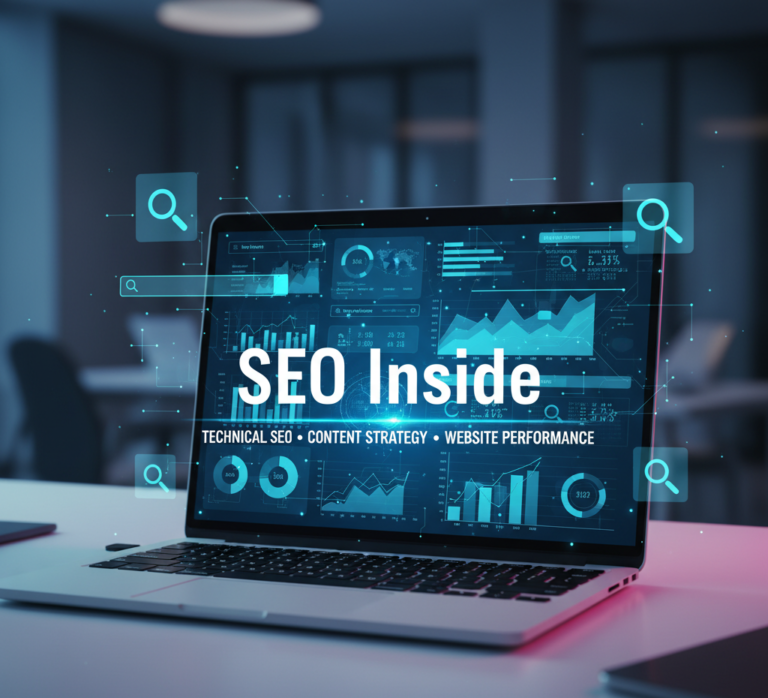
SEO inside refers to a holistic understanding and implementation of SEO practices within every layer of a website and its digital marketing ecosystem. It goes beyond just keywords and links—it’s about integrating SEO principles into content, design, technical setup, and user experience.
Key elements of SEO inside include:
- On-Page Optimization – Ensuring all pages are structured, readable, and optimized for target keywords.
- Technical SEO – Making sure your website loads quickly, is mobile-friendly, and is indexed properly by search engines.
- Content Strategy – Creating valuable, engaging content that answers users’ queries.
- User Experience (UX) – Optimizing navigation, page layout, and accessibility to keep visitors engaged.
- Analytics and Continuous Improvement – Monitoring performance and making data-driven decisions.
By understanding SEO inside, businesses can create a sustainable SEO framework that drives long-term results.
Why SEO Inside Matters
Investing in SEO inside offers several advantages for businesses:
1. Improved Search Visibility
- Optimized websites appear higher in search results, making it easier for potential customers to find your business.
2. Enhanced User Experience
- SEO inside ensures that your website is fast, mobile-friendly, and easy to navigate, keeping users engaged.
3. Higher Conversion Rates
- SEO inside aligns content with user intent, increasing the likelihood that visitors take action—whether that’s making a purchase, filling a form, or subscribing to a newsletter.
4. Cost-Effective Marketing
- Organic traffic generated through effective SEO reduces dependence on paid ads, offering a more sustainable marketing strategy.
5. Competitive Advantage
- Understanding and implementing SEO inside helps you outperform competitors who neglect internal optimization strategies.
Key Components of SEO Inside
Optimizing SEO inside your website involves several interconnected components:
1. Keyword Research and Optimization
- Conduct thorough research to identify relevant, high-traffic keywords for your industry.
- Use long-tail keywords for niche targeting and conversational phrases for voice search.
- Optimize titles, headings, meta descriptions, and content naturally.
2. On-Page SEO
- Optimize individual pages for search engines and users.
- Use descriptive URLs, proper heading tags, and internal linking structures.
- Include multimedia elements like images, videos, and infographics to enhance engagement.
3. Technical SEO
- Ensure fast page loading speed by compressing images and using caching.
- Implement HTTPS for secure browsing.
- Optimize mobile responsiveness to meet the majority of modern users’ browsing habits.
- Use XML sitemaps and robots.txt files to guide search engines.
4. Content Strategy
- Develop high-quality, original content that addresses user queries.
- Incorporate blog posts, guides, and tutorials relevant to your niche.
- Use structured data (schema markup) to help search engines understand your content better.
5. User Experience (UX)
- Ensure intuitive navigation and easy-to-use menus.
- Reduce bounce rates with clear CTAs and visually appealing layouts.
- Focus on readability with short paragraphs, bullet points, and headings.
6. Analytics and Continuous Optimization
- Use analytics tools to monitor traffic, engagement, and conversions.
- Identify top-performing content and replicate successful strategies.
- Continuously optimize underperforming pages for better results.
Benefits of Implementing SEO Inside
Understanding and applying SEO inside provides measurable benefits:
- Higher Rankings: Well-optimized websites rank better for targeted keywords.
- Increased Traffic: More visibility leads to more organic traffic.
- Better Engagement: Users stay longer on websites that provide valuable content and easy navigation.
- Increased Conversions: Targeted content aligned with user intent drives more leads and sales.
- Sustainable Growth: Continuous SEO inside strategies build long-term online presence.
How to Implement SEO Inside Effectively
1. Conduct a Full SEO Audit
- Evaluate website structure, technical setup, and content.
- Identify gaps and areas for improvement.
2. Optimize Website Architecture
- Ensure clear navigation and hierarchical page structure.
- Use internal links to guide visitors and distribute authority.
3. Target Relevant Keywords
- Map keywords to specific pages for maximum relevance.
- Include long-tail and question-based keywords to capture voice search traffic.
4. Enhance Technical Elements
- Improve loading speed using performance optimization techniques.
- Implement schema markup and structured data.
- Ensure secure browsing and mobile compatibility.
5. Create High-Quality Content
- Develop blogs, guides, FAQs, and resource pages.
- Incorporate multimedia elements to enhance engagement.
- Update content regularly to maintain relevance.
6. Monitor, Analyze, and Adjust
- Use tools like Google Analytics and Search Console to track performance.
- Continuously refine content, keywords, and technical elements based on data insights.
Common Mistakes to Avoid in SEO Inside
- Ignoring Technical SEO: Slow, insecure, or poorly structured websites struggle to rank.
- Keyword Stuffing: Overusing keywords harms readability and SEO performance.
- Neglecting Mobile Optimization: Most users access websites via mobile devices.
- Poor Content Quality: Thin or irrelevant content reduces user engagement and rankings.
- Lack of Analytics: Without monitoring, it’s impossible to know what strategies are effective.
The Future of SEO Inside
SEO inside is not static—it evolves with search engine algorithms, user behavior, and technology trends. Key future trends include:
- Voice Search Optimization: Optimizing content for natural, conversational queries.
- AI-Powered SEO Tools: Leveraging AI for content creation, keyword analysis, and competitor research.
- Enhanced User Experience Focus: Search engines increasingly prioritize UX, page speed, and mobile-friendly designs.
- Video and Multimedia SEO: Optimizing video and interactive content for better engagement.
- Local SEO Integration: Combining global and local strategies for targeted traffic.
By focusing on SEO inside, businesses can stay ahead of the competition and maintain a strong, adaptable online presence.
Conclusion
Understanding SEO inside your website is critical for building a successful digital presence. By focusing on on-page optimization, technical SEO, high-quality content, user experience, and continuous analytics, businesses can enhance visibility, attract targeted traffic, and increase conversions.
SEO inside is more than just a set of tactics—it’s a mindset that integrates SEO into every aspect of your website and marketing strategy. Embracing this approach ensures long-term growth, higher search rankings, and sustainable online success.