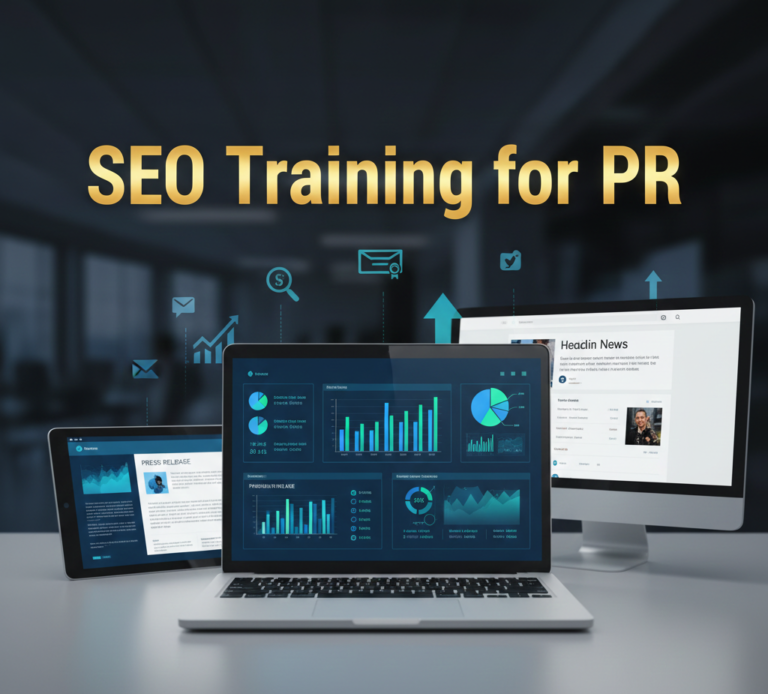
In today’s digital-first world, public relations (PR) is no longer limited to press releases, media coverage, and events. The modern PR professional needs to understand how search engines work and how to optimize content for online visibility. This is where SEO training for PR becomes invaluable.
SEO (Search Engine Optimization) and PR may seem like separate disciplines, but combining them can enhance your campaigns, strengthen your brand, and increase reach in a measurable way.
This article explores what SEO training for PR entails, why it matters, key strategies to implement, and the benefits it brings to your campaigns and overall communications strategy.
Why SEO is Important for PR Professionals
Traditionally, PR focused on media relations, brand messaging, and storytelling. However, the digital landscape has transformed how audiences discover information. Today, search engines are often the first point of contact between a brand and its audience.
Key Reasons PR Professionals Need SEO Training:
- Maximize Visibility:
Press releases, blog posts, and online content perform better when optimized for search engines. SEO ensures that your content is discoverable by the right audience. - Enhance Online Reputation:
PR is about shaping public perception. SEO helps ensure positive news and brand messages rank higher than negative or irrelevant content. - Measure Campaign Success:
With SEO analytics, PR professionals can track the performance of online content, measure traffic, and understand which messages resonate. - Reach Target Audiences:
Optimized content is more likely to reach journalists, customers, and stakeholders searching for relevant topics online. - Integrate Digital and PR Efforts:
SEO training bridges the gap between traditional PR and digital marketing, allowing for more cohesive campaigns.
What SEO Training for PR Covers
SEO training for PR equips professionals with the skills needed to optimize online content and leverage search engines effectively. The training typically includes:
1. Keyword Research
Understanding the right keywords ensures your content reaches the intended audience. PR professionals learn how to:
- Identify relevant search terms
- Analyze keyword competitiveness
- Incorporate keywords naturally into content
2. On-Page SEO
Optimizing content for search engines includes:
- Writing compelling meta titles and descriptions
- Structuring headers and subheaders for readability
- Using internal and external links strategically
- Optimizing images with alt text
3. Content Optimization
PR content often takes the form of press releases, articles, blog posts, or social media updates. SEO training teaches how to:
- Write content that ranks well in search results
- Use keywords without keyword stuffing
- Format content for readability and engagement
4. Technical SEO Basics
While PR professionals aren’t web developers, understanding technical SEO helps improve visibility. Key concepts include:
- Mobile-friendly design
- Website speed optimization
- Proper URL structure
- Crawlability and indexing by search engines
5. Link Building and Media Outreach
Backlinks from reputable sites improve content authority. SEO training teaches PR professionals how to:
- Pitch stories that naturally earn backlinks
- Collaborate with journalists and bloggers
- Use press releases to generate high-quality links
6. Analytics and Reporting
Measuring the impact of PR campaigns is essential. Training covers:
- Using tools like Google Analytics and Search Console
- Tracking traffic, impressions, and keyword rankings
- Evaluating ROI for PR campaigns
Benefits of SEO Training for PR Professionals
Investing in SEO training has numerous advantages:
1. Improved Search Engine Rankings
Optimized press releases, articles, and blogs are more likely to appear on the first page of search results, increasing brand visibility.
2. Stronger Brand Reputation
PR professionals can control the narrative online by ensuring positive content ranks higher than outdated or negative information.
3. Increased Website Traffic
SEO-driven PR content attracts organic visitors, expanding reach beyond traditional media audiences.
4. Enhanced Content Strategy
SEO training encourages PR professionals to produce content that is not only newsworthy but also optimized for discoverability and engagement.
5. Measurable Results
Tracking metrics such as keyword rankings, traffic, and backlinks allows PR teams to demonstrate the effectiveness of campaigns quantitatively.
6. Cost-Effective Marketing
Unlike paid campaigns, SEO-driven PR content continues to deliver value over time without ongoing costs.
Key Strategies for Implementing SEO in PR Campaigns
Integrating SEO into PR requires a strategic approach. Here are actionable strategies:
1. Optimize Press Releases
- Include target keywords in headlines, subheads, and body text
- Ensure the first 100 words contain the main message and keywords
- Use multimedia elements like images, videos, or infographics with alt text
2. Focus on High-Quality Content
- Create original, informative, and engaging stories
- Address topics that your audience searches for
- Maintain a consistent brand voice and messaging
3. Leverage Guest Posts and Media Outreach
- Pitch articles to high-authority publications
- Include backlinks to your website in author bios or content
- Collaborate with industry influencers for wider reach
4. Optimize Your Website for PR Content
- Ensure your website is mobile-friendly and fast-loading
- Maintain clean URL structures for news and blog sections
- Implement schema markup for press releases and events
5. Monitor and Measure Performance
- Track keyword rankings for PR content
- Monitor organic traffic and referral sources
- Adjust strategies based on data insights
6. Incorporate Local SEO (If Applicable)
- For location-based campaigns, optimize content for local search terms
- Maintain accurate contact details, business listings, and Google My Business profiles
Who Should Take SEO Training for PR?
SEO training is valuable for various PR roles, including:
- PR managers and directors
- Communications specialists
- Content creators and writers
- Social media managers
- Digital marketing professionals working alongside PR
Even seasoned PR professionals can benefit from understanding SEO, as it helps them adapt to modern digital communication trends.
How to Choose the Right SEO Training for PR
When selecting a training program, consider the following:
1. Curriculum
Ensure the program covers keyword research, content optimization, technical SEO basics, analytics, and link-building strategies.
2. Practical Exercises
Hands-on exercises allow participants to apply knowledge to real PR campaigns and content.
3. Expert Instructors
Choose training led by experienced SEO and PR professionals who understand industry best practices.
4. Flexible Formats
Online, in-person, or hybrid training options allow teams to learn in ways that fit their schedule.
5. Certification
A recognized certificate can validate skills and enhance professional credibility.
Conclusion
In the modern digital landscape, SEO is no longer optional for PR professionals. SEO training for PR equips communicators with the skills to make their content more visible, measurable, and impactful. From press releases to blog posts and social media campaigns, integrating SEO ensures that your messages reach the right audience, strengthen brand reputation, and deliver measurable results.
By understanding search engine algorithms, optimizing content, and analyzing performance, PR teams can combine storytelling with digital strategy, making every campaign more effective and competitive.
Investing in SEO training for PR is not just an educational opportunity—it is a strategic move to future-proof your communications, increase online visibility, and ensure long-term success in an increasingly digital world.