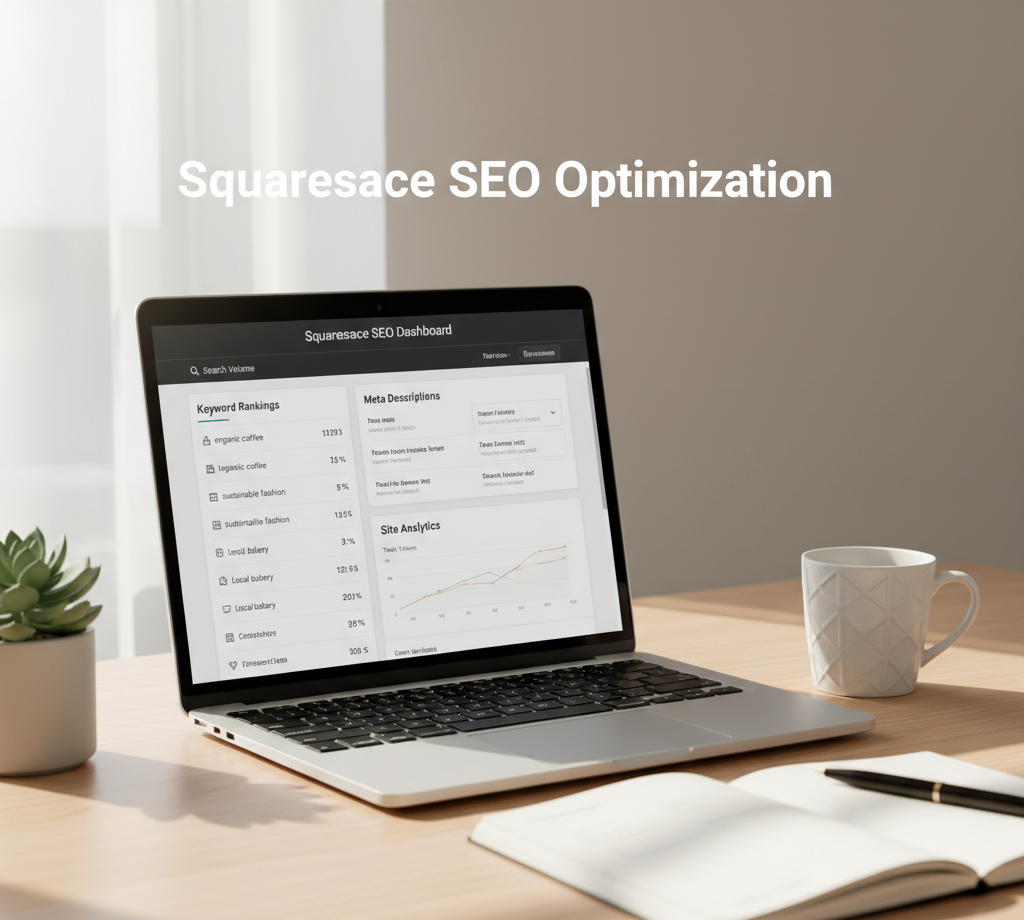
For businesses, bloggers, and entrepreneurs, having a visually stunning website is only half the battle. To attract traffic, generate leads, and grow your online presence, your Squarespace website must be optimized for search engines. Squarespace SEO optimization ensures that your site ranks higher on Google, Bing, and other search engines, driving organic traffic without relying solely on paid ads.
This comprehensive guide will cover everything you need to know about Squarespace SEO optimization, including best practices, tools, strategies, and tips to maximize your website’s performance in 2026.
What Is Squarespace SEO Optimization?
Squarespace SEO optimization is the process of improving your Squarespace website to increase visibility in search engines. It involves a combination of on-page, technical, and off-page SEO techniques. Unlike platforms like WordPress, Squarespace has a built-in structure, so understanding its SEO capabilities is essential to make the most of your website.
Effective SEO on Squarespace ensures:
- Higher rankings for targeted keywords
- Increased organic traffic
- Better user experience
- Higher conversion rates
- Long-term online visibility
Why Squarespace SEO Optimization Is Important
1. Increased Organic Traffic
SEO optimization helps your website appear in search results when users look for products, services, or information related to your niche. Organic traffic is free and sustainable, making it a crucial growth driver.
2. Enhanced Credibility
Websites that rank higher in search results are perceived as more credible. Squarespace SEO optimization ensures your site is technically sound and content-rich, building trust with visitors.
3. Better User Experience
SEO isn’t just about keywords. Squarespace SEO optimization improves page speed, mobile responsiveness, navigation, and content readability, all of which enhance user experience.
4. Cost-Effective Marketing
Compared to paid advertising, SEO provides a long-term return on investment. Once your website ranks high, it continues to attract traffic without ongoing ad spend.
5. Competitive Advantage
Optimized websites outperform competitors in search rankings. Squarespace SEO ensures your site has an edge over competitors in your niche.
Key Elements of Squarespace SEO Optimization
1. Keyword Research
- Identify relevant keywords your target audience is searching for
- Focus on long-tail keywords for higher conversion potential
- Use tools like Google Keyword Planner, SEMrush, or Ahrefs
- Incorporate keywords naturally in titles, headings, content, and meta descriptions
2. On-Page SEO
Squarespace makes on-page SEO straightforward, but attention to detail is essential:
- Page Titles: Include primary keywords and keep them under 60 characters
- Meta Descriptions: Write compelling summaries with keywords to improve CTR
- Headings (H1, H2, H3): Use structured headings for readability and SEO relevance
- URL Slugs: Create clean, keyword-rich URLs
- Alt Text for Images: Describe images accurately for accessibility and SEO
3. Content Optimization
- Produce high-quality, relevant content regularly
- Include blogs, guides, videos, and infographics to engage your audience
- Update existing pages with fresh content and improved keywords
- Use internal linking to connect related pages and improve site structure
4. Mobile Optimization
- Ensure your Squarespace website is fully responsive
- Optimize images and layouts for mobile screens
- Fast-loading mobile pages improve rankings and user experience
5. Site Speed
- Compress images without losing quality
- Enable caching where possible
- Minimize third-party scripts that slow down your site
- Squarespace has built-in optimization tools, but manual improvements may be necessary
6. Structured Data and Schema
- Implement structured data to help search engines understand your content
- Use schema markup for products, articles, events, or local businesses
- Squarespace supports basic structured data, but custom code can enhance it further
7. Backlink Strategy
- Build high-quality backlinks from authoritative websites
- Guest blogging, partnerships, and content promotion can earn backlinks
- Avoid spammy links that can harm your SEO
8. Local SEO
If your business targets local customers:
- Optimize Google Business Profile
- Include NAP (Name, Address, Phone) on your website
- Encourage customer reviews and testimonials
- Use location-specific keywords in content and metadata
9. Analytics and Monitoring
- Use Google Analytics and Google Search Console to track traffic, keywords, and performance
- Monitor bounce rates, page speed, and user engagement
- Adjust SEO strategies based on data insights
Squarespace SEO Optimization Tools
Squarespace provides built-in SEO tools, but additional resources help maximize results:
- Google Search Console: Track keywords, indexing, and technical issues
- Google Analytics: Monitor traffic, behavior, and conversions
- SEMrush or Ahrefs: Keyword research, competitor analysis, and backlink monitoring
- Screaming Frog: Identify technical SEO issues
- Yoast or RankMath (for external reference): Useful for planning SEO strategies, though not integrated with Squarespace
Common Squarespace SEO Mistakes to Avoid
- Using generic page titles and meta descriptions
- Neglecting mobile optimization
- Ignoring image alt text
- Overloading pages with keywords (keyword stuffing)
- Failing to update content regularly
- Neglecting analytics and performance tracking
Avoiding these mistakes ensures long-term SEO success.
Advanced Squarespace SEO Strategies
1. Blog Optimization
- Create in-depth, high-quality blog posts
- Target long-tail keywords relevant to your audience
- Include internal links to products, services, or other blog posts
- Optimize featured images and headings
2. Video SEO
- Embed videos with descriptive titles and captions
- Host videos on YouTube and link back to your site
- Use transcripts to improve keyword relevance
3. Social Signals
- Promote content across social media platforms
- Encourage sharing to increase visibility and potential backlinks
- Social engagement indirectly supports SEO
4. Competitor Analysis
- Study competitors’ keywords, backlinks, and top-performing pages
- Identify gaps and opportunities in your strategy
- Adapt and improve your content and on-page SEO based on findings
Measuring Squarespace SEO Success
Key metrics to track include:
- Organic traffic growth
- Keyword rankings and visibility
- Click-through rates (CTR)
- Bounce rates and dwell time
- Backlinks acquired and referral traffic
- Conversions from organic search
Regular monitoring ensures your SEO strategy remains effective and adapts to changes in search algorithms.
Conclusion
Squarespace SEO optimization is essential for any business or individual looking to grow online. By combining keyword research, on-page SEO, mobile optimization, content strategy, backlinks, and local SEO, your Squarespace website can achieve higher search rankings, attract targeted traffic, and drive conversions.
Success in Squarespace SEO requires consistent effort, monitoring, and optimization. By implementing the strategies outlined in this guide, businesses can achieve sustainable growth, build authority, and maintain a competitive edge in 2026 and beyond.