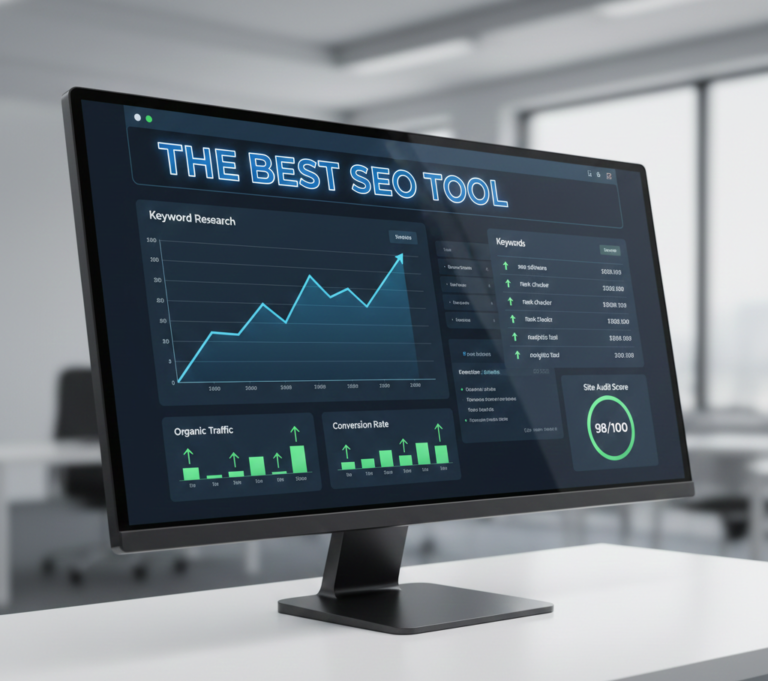
In the fast-paced digital world, achieving high visibility on search engines is crucial for businesses, bloggers, and website owners. Search Engine Optimization (SEO) has become an essential component of digital marketing, enabling websites to rank higher on search engines like Google, attract organic traffic, and convert visitors into customers. At the heart of effective SEO lies the best SEO tool – a software solution that empowers users to optimize their websites, analyze competitors, track performance, and make data-driven decisions.
In this article, we will explore what makes a tool the best for SEO, its key features, benefits, how to use it effectively, and tips for maximizing results. Whether you are a beginner or an experienced marketer, understanding and using the best SEO tool can transform your online strategy.
Understanding SEO and Its Importance
Before diving into the tools, it is important to understand what SEO really is. SEO is a process that involves optimizing a website to improve its ranking on search engine results pages (SERPs). Effective SEO ensures that your content is visible to people searching for related products, services, or information.
The main components of SEO include:
- On-Page SEO: Optimizing content, meta tags, headings, images, and URLs for search engines.
- Off-Page SEO: Building backlinks, social signals, and authority from external sources.
- Technical SEO: Ensuring website speed, mobile-friendliness, site structure, and crawlability.
- Content SEO: Creating high-quality, engaging, and keyword-optimized content.
A great SEO tool helps manage all of these components efficiently, saving time and providing actionable insights for better results.
Key Features of the Best SEO Tool
When searching for the best SEO tool, there are several features you should look for to ensure it meets your needs:
1. Keyword Research Capabilities
A strong SEO tool provides in-depth keyword research. It helps identify:
- High-volume, low-competition keywords
- Related keywords and long-tail phrases
- Keyword difficulty scores
- Search trends and seasonal patterns
By leveraging these insights, you can target the right keywords and attract high-quality traffic to your website.
2. Competitor Analysis
Understanding your competitors’ strategies is essential. The best SEO tool allows you to:
- Analyze competitors’ top-performing pages
- Identify backlink sources
- Monitor keyword rankings
- Discover content gaps to exploit
This competitive intelligence helps you outperform rivals and refine your strategy.
3. On-Page Optimization
Optimizing individual web pages is crucial for ranking. A reliable SEO tool provides:
- Page audits for title tags, headings, and meta descriptions
- Suggestions for improving keyword usage
- Content readability analysis
- Image optimization recommendations
These features ensure every page on your site is fully optimized for search engines and user experience.
4. Technical SEO Analysis
Technical SEO ensures your website is accessible and indexable. The best SEO tool includes:
- Site speed analysis
- Mobile-friendliness testing
- Crawl error detection
- XML sitemap and robots.txt monitoring
- Structured data and schema checks
Fixing technical issues enhances user experience and improves your ranking potential.
5. Backlink Tracking
Backlinks are a critical factor in SEO. A top SEO tool provides:
- Link profile analysis
- Tracking of new and lost backlinks
- Anchor text distribution insights
- Quality and authority evaluation
This helps you build a strong backlink profile and boost domain authority.
6. Analytics and Reporting
Data-driven decisions are key to SEO success. The best SEO tool offers:
- Ranking tracking over time
- Traffic and engagement metrics
- Conversion insights
- Customizable reports
With these analytics, you can measure the impact of your efforts and adjust strategies accordingly.
Benefits of Using the Best SEO Tool
Using the best SEO tool offers numerous advantages, including:
- Time Efficiency: Automates tasks such as site audits, keyword tracking, and reporting.
- Data-Driven Decisions: Provides accurate insights to optimize content and technical SEO.
- Competitive Edge: Helps identify opportunities and outperform competitors.
- Improved Website Performance: Enhances user experience and website speed.
- Higher Search Rankings: Increases visibility on search engines, driving organic traffic.
- ROI Optimization: Supports strategic decisions that improve conversions and revenue.
By using the right SEO tool, you can significantly improve your website’s visibility, engagement, and success.
How to Choose the Best SEO Tool for Your Needs
Not all SEO tools are created equal, and choosing the right one depends on your goals. Consider the following factors:
- Ease of Use: Look for an intuitive interface with clear navigation.
- Comprehensive Features: Ensure it covers keyword research, technical audits, and backlink analysis.
- Cost: Choose a tool that fits your budget while providing value.
- Support and Training: Access to tutorials, guides, and customer support is essential.
- Integration: Ability to integrate with analytics platforms, CMS, and marketing tools.
By evaluating these aspects, you can select the tool that best aligns with your website strategy.
Top Strategies for Maximizing the Best SEO Tool
- Regular Audits: Conduct frequent site audits to identify and fix issues.
- Keyword Optimization: Focus on targeting keywords strategically across your content.
- Content Updates: Refresh old content with updated information and optimized keywords.
- Monitor Competitors: Keep an eye on competitors’ movements and adapt your strategy.
- Analyze Data: Use the reporting features to track performance and adjust campaigns.
- Build Quality Backlinks: Identify opportunities for high-authority links using the tool.
Consistent use of these strategies ensures that your investment in the SEO tool pays off over time.
Conclusion
In the modern digital era, having the right tools is essential for success. The best SEO tool empowers businesses and website owners to optimize their online presence, track performance, analyze competitors, and make informed decisions.
By understanding its features, benefits, and best practices, you can maximize your SEO efforts, improve website rankings, and attract more organic traffic. Whether you are a beginner or an experienced marketer, using the right SEO tool can transform your digital marketing strategy, giving your website a competitive edge in search results.
Investing time and effort into the best SEO tool is no longer optional — it is a necessity for anyone serious about growing online visibility and achieving long-term success.