Introduction
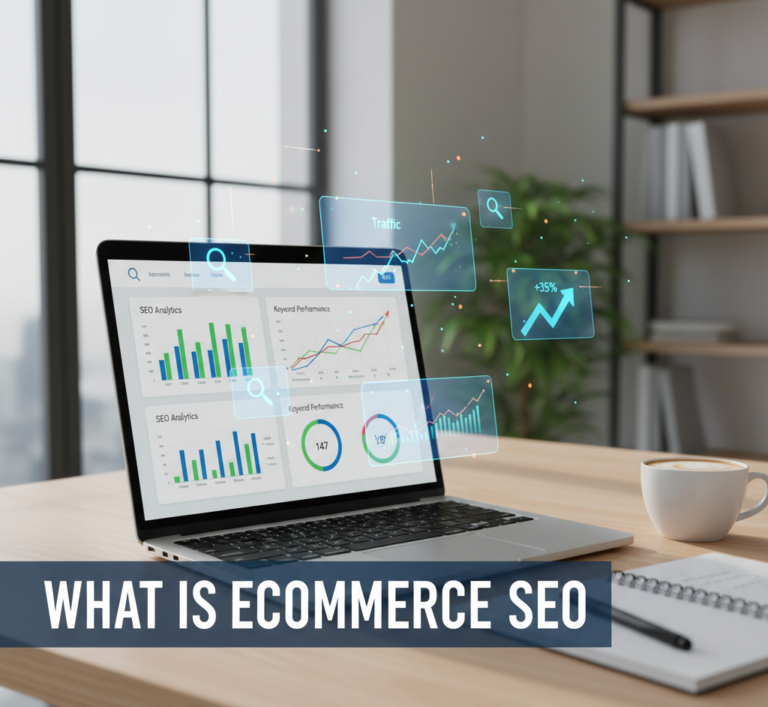
In today’s digital marketplace, having an online store is not enough. Millions of ecommerce websites compete for attention, and only those that appear on search engines receive consistent traffic. This is where what is ecommerce SEO becomes an important question for business owners, marketers, and entrepreneurs.
Ecommerce SEO refers to the process of optimizing an online store so that its product pages, category pages, and content appear higher in search engine results. When done correctly, it helps potential customers find your products easily through search engines.
Understanding what is ecommerce SEO can help you increase organic traffic, improve product visibility, and grow your online sales without relying heavily on paid advertising.
This article explains everything you need to know about ecommerce SEO, including how it works, why it matters, and the strategies that help online stores rank higher.
What Is Ecommerce SEO?
What is ecommerce SEO?
Ecommerce SEO is the process of optimizing an online store to improve its visibility in search engine results pages. It focuses on making product pages, category pages, and website structure more search-engine friendly.
Unlike traditional SEO that focuses mainly on blog content, ecommerce SEO targets pages where customers can directly purchase products.
The main goals of ecommerce SEO include:
- Increasing organic traffic
- Improving product visibility
- Enhancing user experience
- Boosting online sales
When an ecommerce store ranks higher in search results, more customers can discover its products, which increases the chances of making a sale.
Why Ecommerce SEO Is Important
Understanding what is ecommerce SEO also means understanding its importance for online businesses.
Search engines are one of the largest sources of online traffic. Many people search for products before buying them, which makes SEO a powerful marketing strategy.
Key Benefits of Ecommerce SEO
1. Increased Organic Traffic
SEO helps your website appear in search results when users search for products related to your store. This brings consistent organic traffic without paying for advertisements.
2. Higher Product Visibility
Optimized product pages appear higher in search results, making it easier for customers to find them.
3. Better User Experience
Ecommerce SEO improves website structure, navigation, and page speed, which enhances the overall user experience.
4. Higher Conversion Rates
Visitors coming from search engines often have strong purchase intent, meaning they are more likely to buy products.
5. Long-Term Marketing Strategy
Unlike paid ads that stop when the budget ends, SEO continues to bring traffic over time.
How Ecommerce SEO Works
To fully understand what is ecommerce SEO, it’s important to know how search engines rank ecommerce websites.
Search engines evaluate multiple factors when deciding which pages should appear at the top of search results.
These factors include:
- Keyword relevance
- Page quality and content
- Website structure
- Page loading speed
- Mobile friendliness
- User engagement
Ecommerce websites that optimize these factors have a higher chance of ranking well.
Keyword Research for Ecommerce SEO
Keyword research is the foundation of ecommerce SEO. It involves finding the words and phrases people use when searching for products online.
When researching keywords, focus on:
- Product keywords
- Category keywords
- Long-tail keywords
- Buyer intent keywords
Example of Ecommerce Keywords
- best running shoes
- affordable smartphones
- wireless headphones online
- buy gaming laptop
Using the right keywords helps search engines understand what your pages are about.
Optimizing Product Pages
Product pages are the most important part of ecommerce SEO. They are the pages where customers make purchasing decisions.
Key Elements of an SEO-Friendly Product Page
Product Title
Use clear and descriptive titles that include your target keyword.
Example:
“Men’s Running Shoes – Lightweight and Comfortable”
Product Description
Write unique descriptions that explain product features, benefits, and specifications.
Avoid copying manufacturer descriptions because duplicate content can harm rankings.
Product Images
High-quality images improve user experience and increase conversions.
Tips:
- Use descriptive file names
- Add image alt text
- Compress images for faster loading
Customer Reviews
Reviews help build trust and also provide additional content for search engines to index.
Optimizing Category Pages
Category pages group similar products together and help users navigate your store easily.
For ecommerce SEO, category pages should include:
- Keyword-rich titles
- Short category descriptions
- Internal links to products
- Clear navigation structure
Optimized category pages often rank for broad keywords that bring significant traffic.
Technical SEO for Ecommerce Websites
Technical SEO ensures that search engines can crawl and index your website properly.
Important technical SEO elements include:
Website Speed
Fast websites improve user experience and search rankings.
Tips to improve speed:
- Optimize images
- Use caching
- Reduce unnecessary scripts
Mobile Optimization
Many shoppers use smartphones for online purchases. A mobile-friendly website improves both rankings and user experience.
Secure Website
HTTPS security helps build trust and is also considered a ranking factor.
Importance of Internal Linking
Internal linking helps search engines understand your website structure and distributes ranking power across pages.
Examples of internal links:
- Linking from blog posts to product pages
- Linking between related products
- Linking category pages to product pages
Good internal linking improves both SEO and user navigation.
Content Marketing for Ecommerce SEO
Content marketing is another important part of ecommerce SEO.
Blog content helps attract informational searches and guides users toward products.
Examples of useful ecommerce blog content include:
- Product guides
- Buying tips
- Product comparisons
- Industry trends
This content helps build authority and attract more visitors.
Common Ecommerce SEO Mistakes
Many online stores struggle with SEO because of common mistakes.
Duplicate Content
Using the same descriptions across multiple products can confuse search engines.
Poor Site Structure
Complex navigation makes it harder for users and search engines to find pages.
Slow Website Speed
Slow websites lead to higher bounce rates and lower rankings.
Ignoring Mobile Users
A website that is not mobile-friendly loses a large portion of potential customers.
Avoiding these mistakes helps improve SEO performance.
Tips to Improve Ecommerce SEO
Here are practical tips to improve your ecommerce SEO strategy.
Focus on User Experience
A website that is easy to navigate keeps visitors engaged.
Optimize Product Descriptions
Write detailed and helpful descriptions rather than generic text.
Use Structured Data
Structured data helps search engines understand product details such as price and availability.
Improve Page Speed
Faster websites provide better user experience and improve rankings.
Update Content Regularly
Fresh content signals search engines that your website is active.
Frequently Asked Questions (FAQ)
What is ecommerce SEO in simple terms?
Ecommerce SEO is the process of optimizing an online store so that its products appear higher in search engine results.
Why is ecommerce SEO important?
It helps online stores attract organic traffic, improve product visibility, and increase sales.
How long does ecommerce SEO take?
SEO usually takes several months to show significant results because search engines need time to crawl and index optimized pages.
Can small businesses benefit from ecommerce SEO?
Yes. Even small online stores can compete with larger brands by targeting specific keywords and providing quality content.
Is ecommerce SEO better than paid advertising?
Both strategies have advantages. However, SEO provides long-term traffic without ongoing advertising costs.
Conclusion
Understanding what is ecommerce SEO is essential for anyone running an online store. With proper optimization, ecommerce websites can attract more organic traffic, improve search rankings, and increase sales.
Ecommerce SEO involves multiple strategies including keyword research, product page optimization, technical improvements, and content marketing. When these elements work together, they help search engines understand your website and deliver it to the right audience.
In a competitive online marketplace, investing time in ecommerce SEO can provide long-term growth and sustainable success for your business.