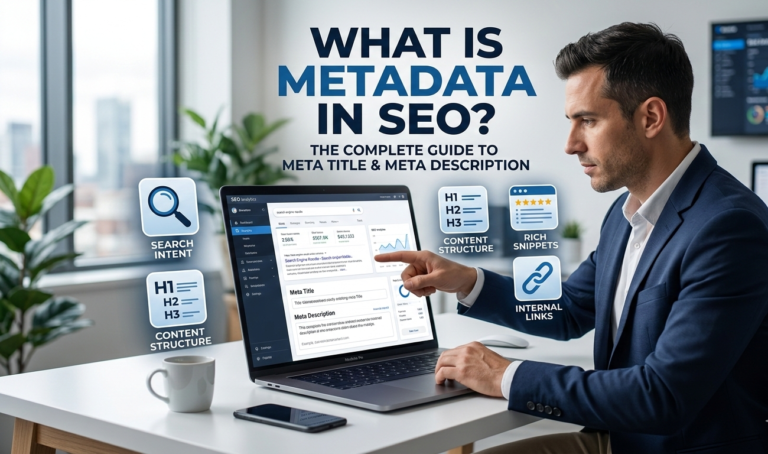
In the world of digital marketing, understanding metadata in SEO is crucial for improving search engine rankings and attracting the right audience. Metadata helps search engines understand the content of a website and plays a vital role in how your pages appear in search results.
This article provides a comprehensive guide to what metadata is, its types, its importance for SEO, common mistakes, and best practices, written for maximum readability and SEO performance.
What is Metadata in SEO?
Metadata refers to data that describes other data. In the context of SEO, metadata provides information about a webpage to search engines and users. While users may not always see metadata directly on the page, search engines rely on it to determine relevance and display content in search results.
In simple terms, metadata tells search engines what your page is about, helping them index and rank your content accurately.
Types of Metadata in SEO
Metadata can be divided into several categories, each serving a specific purpose in SEO:
1. Meta Title (Title Tag)
The meta title is one of the most important metadata elements. It appears as the clickable headline in search engine results.
Best Practices for Meta Title:
- Keep it between 50–60 characters
- Include the primary keyword naturally
- Make it compelling to encourage clicks
- Avoid keyword stuffing
Example:What is Metadata in SEO | Ultimate Guide for 2026
2. Meta Description
The meta description provides a brief summary of a webpage. It appears below the meta title in search results.
Importance for SEO:
- Influences click-through rate (CTR) from search results
- Summarizes the content for users
- While meta descriptions don’t directly impact rankings, higher CTR can improve SEO performance
Best Practices for Meta Description:
- Keep it between 150–160 characters
- Include primary and secondary keywords naturally
- Write it in a persuasive, action-oriented tone
Example:Learn what metadata is in SEO, its types, and how to optimize it for better search engine rankings and higher traffic.
3. Meta Keywords (Less Common Today)
Meta keywords were once used to indicate target keywords for search engines. Today, Google ignores them due to misuse and keyword stuffing.
Recommendation:
- Focus on natural keyword integration in content rather than meta keywords
4. Other Metadata Types
- Robots Meta Tag: Controls indexing and crawling behavior (
index,noindex,follow,nofollow). - Viewport Meta Tag: Optimizes mobile viewing experience.
- Open Graph & Twitter Cards: Enhance social media sharing with rich snippets.
- Canonical Tags: Prevent duplicate content issues by pointing to the main page.
Why Metadata is Important for SEO
Metadata plays a critical role in helping search engines and users understand your webpage. Key reasons include:
- Improves Search Visibility
- Accurate meta titles and descriptions help search engines display your content correctly.
- Boosts Click-Through Rate (CTR)
- Compelling metadata encourages users to click on your page over competitors.
- Helps with Indexing
- Metadata informs search engines about the page structure, content type, and relevance.
- Enhances User Experience
- Meta descriptions act as summaries, helping users decide if the content is relevant.
- Supports Structured Data & Rich Snippets
- Metadata combined with schema markup improves SERP appearance with ratings, FAQs, and event info.
Common Metadata Mistakes to Avoid
- Duplicate Meta Titles or Descriptions
- Each page should have unique metadata to avoid confusion for search engines.
- Keyword Stuffing
- Overloading metadata with keywords reduces readability and may penalize rankings.
- Ignoring Meta Descriptions
- Pages without meta descriptions may display automatically generated snippets, which can reduce CTR.
- Too Long or Too Short Metadata
- Meta titles exceeding 60 characters may get cut off; descriptions over 160 characters may not display fully.
- Not Aligning Metadata with Page Content
- Misleading metadata can increase bounce rates and negatively affect SEO.
How to Optimize Metadata for SEO
- Conduct Keyword Research
- Use tools like SEMrush, Ahrefs, or Google Keyword Planner to identify relevant keywords.
- Write Unique and Descriptive Meta Titles
- Include primary keywords naturally and make titles compelling.
- Craft Persuasive Meta Descriptions
- Summarize content clearly, include secondary keywords, and use action-oriented language.
- Use Structured Data When Applicable
- Implement schema markup to enhance search results with rich snippets.
- Regularly Audit Metadata
- Use SEO tools to identify missing or duplicate metadata and update them.
Metadata and Its Relationship with Other SEO Elements
- Content SEO: Metadata should reflect the content’s main topics and keywords.
- Technical SEO: Proper meta tags, robots.txt, and canonical tags improve crawling and indexing.
- UX & Conversion Optimization: Clear metadata improves the relevance and attractiveness of pages in search results.
Conclusion
Metadata in SEO is essential for both search engines and users. While it may seem small, properly optimized meta titles, descriptions, and other metadata elements can significantly impact search visibility, click-through rates, and overall website performance.
Key Takeaways:
- Meta titles and descriptions are the most important metadata elements for SEO.
- Unique, concise, and keyword-rich metadata improves rankings and CTR.
- Avoid duplicate metadata, keyword stuffing, and misleading descriptions.
- Regular audits and optimization are necessary to maintain SEO performance.
By understanding what metadata is in SEO and applying best practices, businesses can ensure their content is properly represented in search results, attract more visitors, and achieve sustainable online growth.