In today’s digital-first world, having a website is no longer enough. Millions of businesses compete online for attention, traffic, and customers. If your website is not visible on search engines like Google, your potential customers may never find you. This is exactly why SEO is important for business.
Search Engine Optimization (SEO) is the process of improving your website so it ranks higher in search engine results pages (SERPs). When implemented correctly, SEO drives targeted traffic, builds credibility, increases brand awareness, and generates consistent revenue.
In this comprehensive guide, we will explore why SEO matters for businesses of all sizes and how it contributes to long-term success.
What Is SEO?
SEO (Search Engine Optimization) is a digital marketing strategy focused on improving a website’s visibility in organic (non-paid) search results.
SEO includes:
- Keyword research
- On-page optimization
- Technical website improvements
- Content creation
- Link building
- User experience enhancement
Unlike paid advertising, SEO focuses on sustainable, long-term growth by earning traffic naturally.
Why SEO Is Important for Business Growth
1. Increases Online Visibility
Most customers begin their buying journey with a search engine. When someone searches for a product or service related to your business, you want your website to appear at the top.
Higher rankings mean:
- More exposure
- More website visits
- More potential customers
If your competitors rank higher than you, they capture your potential customers first.
2. Drives High-Quality Organic Traffic
One of the biggest reasons why SEO is important for business is that it brings targeted traffic.
Unlike traditional advertising, SEO targets users who are already searching for your products or services. This means:
- Higher conversion rates
- Better engagement
- More qualified leads
For example, someone searching “best accounting services near me” is already interested in hiring an accountant. Ranking for that keyword brings high-intent traffic.
3. Builds Credibility and Trust
Websites that rank on the first page of Google are often perceived as more trustworthy and authoritative.
SEO improves credibility through:
- High-quality content
- Secure website (HTTPS)
- Positive user experience
- Backlinks from reputable websites
- Strong technical performance
Customers are more likely to trust businesses that appear at the top of search results.
4. Cost-Effective Marketing Strategy
Compared to paid ads, SEO offers long-term value.
While SEO requires time and investment, once your website ranks well, it can generate traffic without continuous advertising costs.
Benefits of SEO over paid ads:
- Sustainable results
- Lower long-term cost
- Higher ROI over time
- Continuous traffic generation
Paid ads stop generating traffic once your budget ends. SEO keeps working.
5. Improves User Experience
Modern SEO is not just about keywords. Search engines prioritize websites that offer excellent user experience.
SEO helps improve:
- Website speed
- Mobile responsiveness
- Clear navigation
- Content structure
- Readability
When your website is easy to use, visitors stay longer and are more likely to convert.
6. Supports Content Marketing
Content and SEO work together.
Publishing high-quality blog posts, guides, and resources helps you:
- Rank for relevant keywords
- Answer customer questions
- Build authority in your industry
- Generate backlinks
Content optimized for SEO attracts visitors at every stage of the buying journey.
7. Enhances Local Business Visibility
For small and local businesses, SEO is extremely important.
Local SEO helps businesses appear in:
- Google Maps results
- “Near me” searches
- Local search queries
Optimizing your Google Business Profile, collecting reviews, and targeting local keywords increases foot traffic and local inquiries.
8. Increases Brand Awareness
Even if users do not click your website immediately, appearing consistently in search results increases brand recognition.
Over time, users become familiar with your business name, which builds:
- Brand recall
- Market authority
- Customer trust
Repeated visibility leads to long-term growth.
9. Helps You Understand Customer Behavior
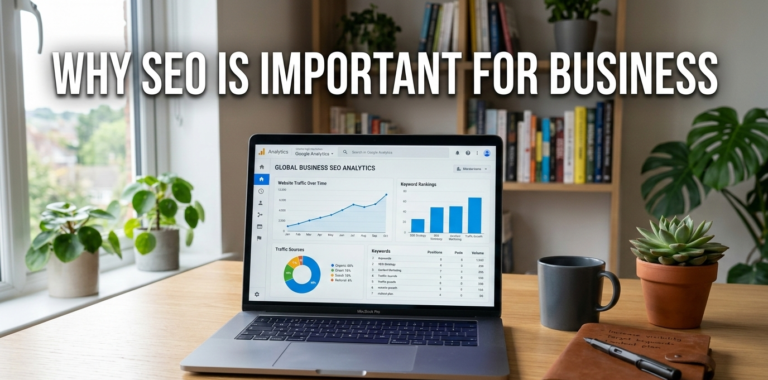
SEO tools provide valuable data about your audience:
- What keywords they search
- Which pages they visit
- How long they stay
- What content performs best
This data allows businesses to refine their strategy and better serve customer needs.
10. Gives Competitive Advantage
If your competitors invest in SEO and you do not, you are losing potential revenue.
Ranking above competitors means:
- More traffic
- More leads
- More sales
- Greater market share
Businesses that consistently invest in SEO often dominate their industries online.
How SEO Impacts Different Types of Businesses
Small Businesses
SEO helps small businesses compete with larger companies by targeting niche and local keywords.
E-commerce Stores
SEO increases product visibility, improves category page rankings, and drives purchase-ready traffic.
Service-Based Businesses
SEO captures high-intent searches from customers actively seeking services.
B2B Companies
SEO builds thought leadership through informative content and attracts decision-makers.
Long-Term Benefits of SEO
One of the strongest arguments for why SEO is important for business is its long-term impact.
Unlike short-term marketing tactics, SEO:
- Builds digital assets
- Creates sustainable traffic
- Strengthens domain authority
- Improves conversion rates over time
As your website gains authority, it becomes easier to rank for competitive keywords.
The Role of Technical SEO
Technical SEO ensures search engines can crawl and index your website properly.
Key technical factors include:
- Fast loading speed
- Mobile optimization
- Secure HTTPS connection
- Clean site structure
- XML sitemaps
Without technical SEO, even great content may fail to rank.
SEO and Conversion Optimization
SEO not only brings traffic but also improves conversions.
Optimized pages include:
- Clear calls-to-action
- Engaging content
- Trust signals
- Easy navigation
Bringing the right visitors and guiding them properly increases revenue.
Common Misconceptions About SEO
“SEO Is a One-Time Task”
SEO requires ongoing effort. Search engines update algorithms regularly, and competitors continuously optimize their websites.
“SEO Delivers Instant Results”
SEO takes time. Results often appear within 3 to 6 months, but long-term benefits are worth the wait.
“Only Large Businesses Need SEO”
Every business with an online presence benefits from SEO.
Future of SEO in Business
As technology evolves, SEO continues to grow in importance.
Future trends include:
- Voice search optimization
- AI-driven content analysis
- Mobile-first indexing
- Core Web Vitals focus
- Search intent optimization
Businesses that adapt to SEO trends remain competitive in digital markets.
How to Start Using SEO for Your Business
If you want to leverage SEO effectively:
- Conduct keyword research
- Optimize your website structure
- Publish high-quality content regularly
- Improve page speed and mobile experience
- Build backlinks from reputable sources
- Monitor performance using analytics tools
Consistency is key to long-term success.
Final Thoughts: Why SEO Is Important for Business
SEO is not just a marketing tactic—it is a fundamental growth strategy.
It increases visibility, drives qualified traffic, builds credibility, enhances user experience, and delivers long-term ROI. In an increasingly competitive digital landscape, businesses that ignore SEO risk falling behind.
Investing in SEO means investing in sustainable growth, brand authority, and consistent customer acquisition. Whether you are a startup, small business, or established company, SEO remains one of the most powerful tools for achieving long-term business success.