
Table of Contents
- Introduction
- What Is a Post Calendar and Why It Matters for SEO
- How Do Companies Create Post Calendar for SEO: Step-by-Step Process
- Key Elements Every Successful SEO Content Calendar Includes
- Best Tools and Templates for Creating Your Editorial Calendar
- Major Benefits of Using a Strategic Content Planning Approach
- Practical Tips to Build and Maintain an Effective Calendar
- Common Mistakes to Avoid When Planning Your SEO Posts
- Frequently Asked Questions (FAQ)
- Conclusion
Introduction
Creating great blog content is only half the battle. The real challenge is publishing the right pieces at the right time so they actually rank and attract readers.
Many growing websites struggle with inconsistent posting or content that doesn’t match what people are searching for. That’s where a smart post calendar changes everything.
If you’ve been searching for how do companies create post calendar for SEO, the answer lies in a thoughtful mix of research, planning, and execution. Companies don’t just pick random topics — they build a structured editorial calendar that supports long-term SEO strategy, targets the right search intent, and mixes evergreen content with timely pieces.
In this guide, we’ll walk through the entire process in plain language. You’ll discover practical steps, useful LSI keywords such as content planning, keyword research, topic clusters, content pillars, organic traffic, SEO goals, publishing frequency, and content optimization woven naturally throughout. By the end, you’ll have a clear roadmap to create your own high-performing calendar.
What Is a Post Calendar and Why It Matters for SEO
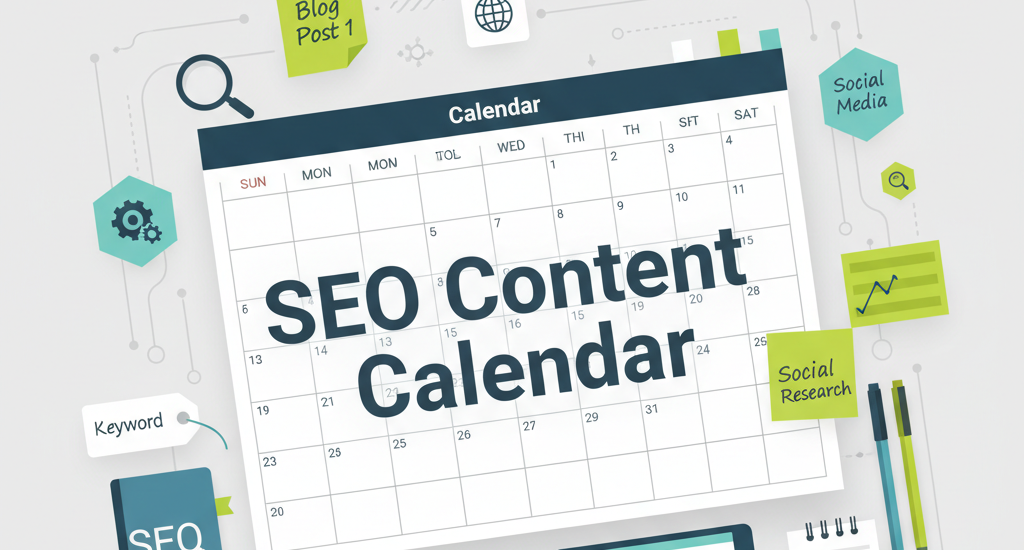
A post calendar, often called an editorial calendar or SEO content calendar, is simply a planned schedule of what you’ll publish, when you’ll publish it, and why it matters. It goes far beyond a list of dates — it includes target keywords, content types, target audience, and promotion ideas.
Search engines reward websites that publish helpful, relevant content on a regular basis. Without a plan, it’s easy to fall into random posting or long gaps that hurt your rankings.
A well-built calendar helps align your content strategy with business goals and user needs. It ensures you create a balanced mix of pillar pages, supporting cluster content, how-to guides, and seasonal pieces.
Consistency is key — Google and readers both notice when you show up reliably with valuable information.
How Do Companies Create Post Calendar for SEO: Step-by-Step Process
Here’s how most successful companies approach building their SEO-optimized post calendar:
- Define Clear SEO Goals Start by deciding what you want to achieve. Do you want more organic traffic, higher rankings for specific keywords, better lead generation, or increased brand authority? Clear goals guide every decision in your content planning.
- Understand Your Audience and Search Intent Know who you’re writing for. What questions are they asking? What problems do they need solved? Use tools to analyze search intent — whether users want informational, navigational, or transactional answers.
- Conduct Thorough Keyword Research Identify primary keywords and related LSI keywords. Look for a healthy mix of high-volume head terms and long-tail phrases with lower competition. This step forms the foundation of your SEO content calendar.
- Build Content Pillars and Topic Clusters Choose 3–5 main content pillars (broad topics your brand owns). Then create supporting cluster content around them. This topical authority approach helps search engines see your site as an expert.
- Decide Publishing Frequency and Schedule Determine how often you can realistically publish — whether it’s once a week, twice a month, or more. Factor in holidays, industry events, and peak search periods.
- Create and Assign Content Ideas Brainstorm specific post titles based on your keyword list. Assign writers, due dates, and status tracking.
- Plan Optimization and Promotion For each post, note on-page SEO elements, internal linking opportunities, and how you’ll promote it on social media or email.
- Review and Adjust Regularly Treat your calendar as a living document. Analyze performance and update it quarterly.
This structured process is exactly how do companies create post calendar for SEO — methodically and with data backing every choice.
Key Elements Every Effective SEO Content Calendar Needs
A strong calendar isn’t just dates and titles. Include these important columns or fields:
- Post Title (optimized with primary keyword)
- Target Primary Keyword and secondary/LSI terms
- Content Type (blog post, guide, listicle, case study)
- Target Audience/Persona
- Publishing Date
- Content Pillar/Cluster
- Author/Writer Assigned
- Status (idea, draft, review, published)
- Estimated Word Count
- Call-to-Action Goal
- Promotion Channels
Keeping these details organized makes execution much smoother.
Bullet point checklist for calendar columns:
- Primary and secondary keywords
- Search volume and difficulty score
- Internal linking opportunities
- Featured image ideas
- Meta title and description notes
Best Tools and Templates for Building Your Editorial Calendar
You don’t need fancy software to start. Many companies begin simple and scale up.
Free or low-cost options:
- Google Sheets or Excel — perfect for beginners
- Notion templates for visual planning
- Trello or Airtable for team collaboration
Popular dedicated tools:
- CoSchedule Marketing Calendar
- Semrush Content Marketing Toolkit
- Ahrefs or similar for keyword integration
- Asana with calendar views
- Buffer or Hootsuite for social tie-ins
Choose tools that match your team size and workflow. The goal is better content optimization and easier tracking of organic traffic growth.
Major Benefits of Using a Strategic Content Planning Approach
Companies that invest in a proper SEO content calendar see several clear advantages:
- Improved Consistency — No more last-minute scrambling for ideas.
- Better Rankings — Targeted keywords and topic clusters build topical authority over time.
- Higher Organic Traffic — Content matches real user searches and intent.
- Efficient Team Collaboration — Everyone knows what’s due and when.
- Mix of Evergreen and Timely Content — You maintain steady traffic while capitalizing on trends.
- Easier Performance Tracking — You can measure which topics perform best and double down.
The biggest win? Reduced stress and more predictable growth in search visibility.
Practical Tips to Build and Maintain an Effective Calendar
Here are actionable tips to make your calendar work harder:
- Start with a 3–6 month view rather than trying to plan a full year at once.
- Leave buffer time for unexpected opportunities or delays.
- Include seasonal keywords and industry events relevant to your niche.
- Review performance monthly — look at traffic, rankings, and engagement.
- Update older evergreen content by refreshing it and adding new LSI terms.
- Balance content types: how-to guides, opinion pieces, roundups, and in-depth pillar content.
Always prioritize quality over quantity. One well-researched, helpful post often outperforms several rushed ones.
Numbered list for ongoing maintenance:
- Analyze Google Analytics and Search Console data regularly.
- Gather team feedback on what’s working.
- Refresh underperforming posts with new information.
- Adjust publishing frequency based on resources.
- Celebrate wins when posts start ranking.
Common Mistakes to Avoid When Planning Your SEO Posts
Even experienced teams make these errors:
- Focusing only on high-volume keywords without considering competition or intent.
- Posting too infrequently, which signals low activity to search engines.
- Ignoring mobile optimization and page speed in content creation.
- Failing to build proper internal linking between cluster and pillar pages.
- Not promoting content after publishing.
- Creating content without a clear target audience in mind.
Avoid these pitfalls and your content strategy will stay strong.
Frequently Asked Questions (FAQ)
How often should I update my SEO content calendar? Review and adjust it every 1–3 months. Markets and search trends change, so flexibility matters.
Do small businesses need a post calendar too? Yes! Even solo bloggers benefit from planning. It prevents burnout and improves results.
What’s the ideal publishing frequency for SEO? Consistency beats volume. Start with 1–2 high-quality posts per month and scale as your team grows.
Should I focus only on evergreen content? No. Mix evergreen pieces for long-term traffic with timely content for quick wins and engagement.
Which tools are best for keyword research in content planning? Google Keyword Planner (free), plus paid options like Ahrefs, Semrush, or Moz for deeper insights.
Conclusion
Learning how do companies create post calendar for SEO doesn’t have to feel overwhelming. By defining goals, researching keywords, building topic clusters, and staying consistent, you create a powerful system that drives sustainable organic traffic and authority.
Start simple — open a spreadsheet today and map out your next 8–12 weeks. Focus on creating genuinely helpful content that answers real questions. Over time, your strategic content planning will pay off with better rankings, engaged readers, and stronger business results.
The companies that win in search aren’t necessarily the ones posting the most — they’re the ones posting with purpose. Build your calendar thoughtfully, execute reliably, and watch your SEO efforts compound.