

Table of Contents
- Introduction
- What Is White Hat and Black Hat SEO?
- White Hat SEO Explained
- Black Hat SEO Explained
- Key Differences Between White Hat and Black Hat SEO
- Common Black Hat SEO Techniques to Avoid
- Benefits of Following White Hat SEO Practices
- How to Build a Sustainable White Hat SEO Strategy
- Frequently Asked Questions (FAQ)
- Conclusion
If you’re new to search engine optimisation, you’ve probably heard the terms “white hat” and “black hat” SEO. These phrases describe two very different approaches to ranking websites on Google. Understanding what is white hat and black hat SEO is essential if you want long-term success without risking penalties.
In this straightforward guide, I’ll explain both approaches in simple language, show you real examples, and help you decide which path is safest and most effective for your website in 2026.
Whether you run a small business, blog, or online store, knowing these concepts will protect your site and help you grow sustainably.
What Is White Hat and Black Hat SEO?
White Hat SEO refers to ethical, search-engine-friendly techniques that follow Google’s guidelines. It focuses on creating great user experiences and providing genuine value.
Black Hat SEO, on the other hand, involves manipulative tactics designed to trick search engines into ranking pages higher than they deserve. These methods often deliver quick results but carry a high risk of penalties or even complete removal from Google’s index.
The terms come from old Western movies — white hats for the good guys and black hats for the villains. In SEO, the same idea applies: one approach builds trust, while the other tries to game the system.
White Hat SEO Explained
White Hat SEO is all about doing things the right way. It focuses on creating helpful content, improving user experience, and earning trust from both users and search engines.
Core principles of White Hat SEO include:
- Writing high-quality, original content that answers real user questions
- Optimising pages naturally with relevant keywords
- Building genuine backlinks from reputable websites
- Improving site speed, mobile experience, and navigation
- Following Google’s Webmaster Guidelines
White hat practitioners believe that if you create a better experience for users, search engines will eventually reward you with higher rankings.
Important sentence: White hat SEO may take longer to show results, but the rankings you build tend to last much longer and are far more stable.
Black Hat SEO Explained
Black Hat SEO uses aggressive, rule-breaking methods to manipulate search rankings. Practitioners often try to find loopholes in Google’s algorithm to gain quick advantages.
Common black hat tactics include:
- Keyword stuffing (overusing keywords unnaturally)
- Buying or exchanging low-quality backlinks
- Cloaking (showing different content to users and search engines)
- Hidden text or links
- Doorway pages and duplicate content networks
- Private Blog Networks (PBNs)
While these techniques can produce fast results, Google’s algorithms have become extremely good at detecting them. When caught, websites can suffer ranking drops, manual penalties, or even de-indexing.
Key Differences Between White Hat and Black Hat SEO
Here’s a clear comparison to help you understand the main differences:
| Aspect | White Hat SEO | Black Hat SEO |
|---|---|---|
| Time to See Results | 3–12 months | Few days to weeks |
| Risk Level | Very Low | Very High |
| Longevity of Results | Long-term and stable | Short-term, often temporary |
| Compliance with Google | Fully compliant | Violates guidelines |
| Focus | User experience & value | Manipulating rankings |
| Penalty Risk | Almost none | High chance of penalties |
White hat methods align with Google’s emphasis on E-E-A-T (Experience, Expertise, Authoritativeness, and Trustworthiness), while black hat techniques try to bypass these quality standards.
Common Black Hat SEO Techniques to Avoid
Here are some black hat practices you should steer clear of:
- Keyword Stuffing: Forcing too many keywords into content unnaturally.
- Link Schemes: Buying links, using PBNs, or excessive reciprocal linking.
- Cloaking: Serving different content to Googlebot than to real users.
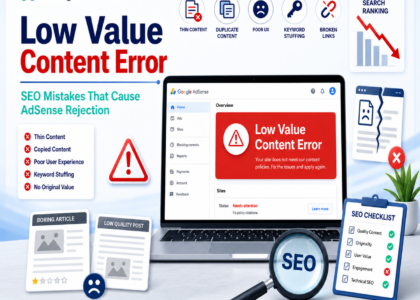
- Thin or Duplicate Content: Creating low-value pages just for rankings.
- Hidden Text: Using tiny or same-colour text to hide keywords.
Numbered list of risky behaviours:
- Using automated tools for mass link building
- Scraping content from other sites
- Creating multiple doorway pages targeting the same keyword
- Participating in link farms
Avoiding these tactics protects your website from sudden ranking drops.
Benefits of Following White Hat SEO Practices
Choosing white hat SEO offers many long-term advantages:
- Sustainable Rankings: Your positions are less likely to disappear after algorithm updates.
- Better User Experience: Visitors enjoy your site more and convert at higher rates.
- Brand Reputation: Ethical practices build trust with your audience.
- Lower Risk: Minimal chance of Google penalties.
- Compounding Results: Efforts build upon each other over time.
Many successful websites today owe their strong organic traffic to years of consistent white hat efforts.
How to Build a Sustainable White Hat SEO Strategy
If you want to follow white hat principles, here’s a practical approach:
- Focus on user intent — Create content that genuinely answers what people are searching for.
- Produce high-quality content — Invest time in well-researched, helpful articles and pages.
- Improve technical SEO — Ensure fast loading speeds, proper site structure, and mobile optimisation.
- Earn links naturally — Focus on creating link-worthy content and building real relationships.
- Monitor performance regularly — Use Google Search Console and Analytics to track progress.
- Stay updated — Keep learning about Google’s algorithm changes and best practices.
Bullet points for white hat success:
- Prioritise E-E-A-T in all your content
- Optimise for mobile and Core Web Vitals
- Build topical authority around your niche
- Be patient and consistent with your efforts
Frequently Asked Questions (FAQ)
What happens if I use black hat SEO? You risk manual penalties or algorithmic demotions. In serious cases, your site may be completely removed from Google’s search results.
Is white hat SEO slower than black hat? Yes, it usually takes longer to see results. However, the rankings are much more stable and sustainable.
Can I mix white hat and black hat techniques? It’s not recommended. Even small black hat elements can put your entire website at risk.
Does Google still penalise black hat SEO in 2026? Yes. Google’s algorithms and manual review teams have become even more sophisticated at detecting manipulative practices.
Is hiring an SEO expert who uses black hat worth it? No. Short-term gains are rarely worth the long-term damage to your website and business reputation.
How do I know if my SEO provider uses white hat methods? Ask them directly about their techniques. Reputable professionals will happily explain their process and show examples of past work.
Conclusion
Understanding what is white hat and black hat SEO is one of the most important lessons for anyone involved in digital marketing. While black hat tactics may promise quick wins, they almost always lead to stress, penalties, and lost progress.
White hat SEO, although slower at the beginning, builds a strong and lasting foundation for your website. By focusing on quality content, excellent user experience, and ethical practices, you create sustainable growth that can benefit your business for years to come.
The smartest approach in 2026 and beyond is to play the long game. Invest in white hat techniques, stay patient, and focus on delivering real value to your visitors. Search engines continue to reward websites that genuinely help people — and that’s exactly what white hat SEO is all about.