
Table of Contents
- Introduction
- What Exactly Is SEO?
- How Search Engines Work Behind the Scenes
- The Main Types of SEO You Need to Know
- Breaking Down the SEO Process Step by Step
- Why SEO Matters More Than Ever in 2026
- Practical Tips to Get Started with SEO
- Benefits of Understanding What Is SEO and How It Works
- Frequently Asked Questions (FAQ)
- Conclusion
Introduction
Ever wondered why some websites appear at the top of Google while others stay hidden on page five? That’s where SEO comes in. If you’re new to digital marketing, the phrase “what is seo and how it works” probably pops up a lot — and for good reason.
In simple terms, SEO helps your website get found by the right people at the right time. It’s not magic, and it’s definitely not about tricking Google anymore. In 2026, it’s all about creating genuinely helpful experiences that search engines love to recommend.
This guide breaks everything down in plain English. No jargon overload, just clear explanations, real examples, and actionable insights so you can start improving your own site today.
What Exactly Is SEO?
SEO stands for Search Engine Optimisation. It’s the practice of improving your website so it ranks higher in organic (unpaid) search results on engines like Google, Bing, and others.
When someone types “best coffee shops in Manchester” or “how to fix a leaking tap,” Google tries to show the most relevant and useful pages. SEO is everything you do to make sure your page gets picked.
Important sentence: Unlike paid ads that stop when your budget runs out, good SEO delivers free, targeted traffic that can keep coming for months or even years.
Think of it like opening a shop on the high street. SEO is the work you put in so more people notice your shopfront and decide to walk inside.
How Search Engines Work Behind the Scenes
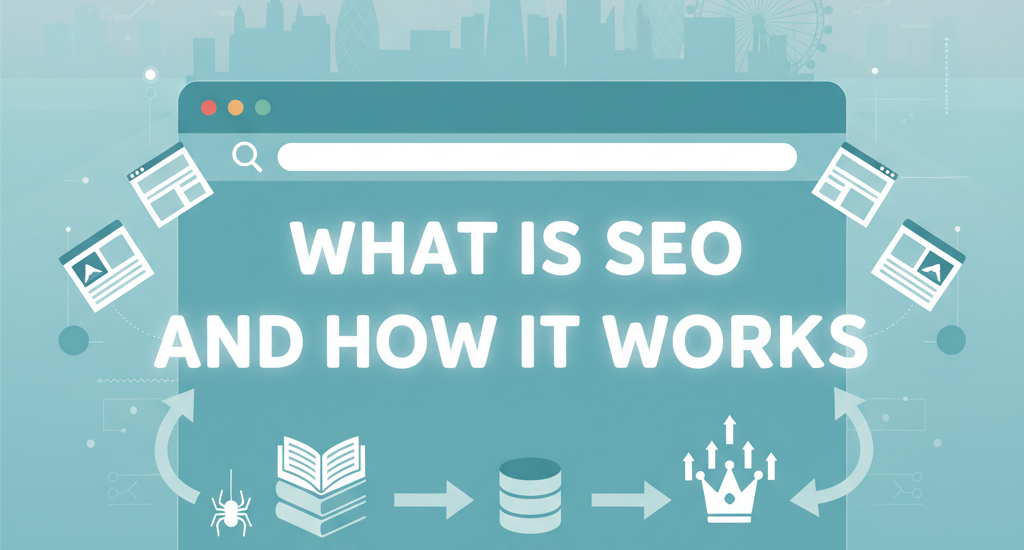
Search engines are like massive digital librarians. Here’s how they operate in three main stages:
- Crawling — Automated bots (called crawlers or spiders) scan the web, following links to discover new and updated pages.
- Indexing — The engine stores and organises the content it finds in a huge database, like shelving books in a library.
- Ranking — When a user searches, the engine pulls relevant pages from its index and ranks them based on hundreds of factors.
In 2026, these systems have become smarter thanks to AI. They focus heavily on user intent — understanding why someone is searching, not just the exact words they type.
The Main Types of SEO You Need to Know
SEO isn’t one single thing. It breaks down into several key areas that work together:
- Technical SEO: Making sure your site is fast, secure, mobile-friendly, and easy for crawlers to read. This includes fixing broken links, improving site speed, and using proper structured data.
- On-Page SEO: Optimising the actual content and HTML on your pages — titles, headings, images, and text — so they clearly match what people are looking for.
- Off-Page SEO: Building authority through backlinks, social signals, and mentions from other trusted websites.
- Content SEO: Creating high-quality, helpful material that answers real questions and keeps visitors engaged.
In 2026, these pillars must work as a team. Technical issues can tank even the best content, while poor content wastes perfect technical setup.
Breaking Down the SEO Process Step by Step
So, what is seo and how it works in practice? Here’s the typical flow:
- Step 1: Research — Identify keywords and understand search intent. Tools help show what people actually search for.
- Step 2: Audit — Check your current site for problems like slow loading times or duplicate content.
- Step 3: Optimise — Improve technical elements, rewrite content, and add helpful details.
- Step 4: Create & Promote — Publish fresh, valuable content and earn links naturally.
- Step 5: Monitor & Adjust — Track rankings, traffic, and user behaviour, then refine what’s not working.
It’s an ongoing cycle rather than a one-time job. Google updates its algorithms regularly, so staying flexible is key.
Why SEO Matters More Than Ever in 2026
With AI overviews and conversational search becoming common, visibility is changing fast. Yet the core goal remains: deliver the best answer to a user’s need.
Businesses that invest in SEO enjoy:
- More qualified visitors without paying for every click
- Stronger brand trust (people trust Google’s top results)
- Long-term cost savings compared to constant ad spend
Local businesses especially benefit — a well-optimised Google Business Profile combined with solid SEO can bring in foot traffic from nearby searches.
Practical Tips to Get Started with SEO
You don’t need to be a tech genius to make progress. Try these beginner-friendly steps:
- Make your site mobile-friendly and fast (test it on your phone).
- Write clear, helpful content that directly answers common questions in your field.
- Use natural headings and short paragraphs so readers (and Google) can easily follow along.
- Add alt text to images and descriptive page titles.
- Earn links by creating shareable resources or guest posting on relevant sites.
Start small and consistent. Improving one page at a time often beats trying to overhaul everything at once.
Benefits of Understanding What Is SEO and How It Works
When you grasp the basics, you can:
- Avoid wasting money on ineffective “quick fixes”
- Make better decisions when hiring help
- Spot opportunities your competitors miss
- Build a sustainable online presence that grows with your business
Many UK small businesses see their organic traffic double or triple within 6–12 months of proper work.
Frequently Asked Questions (FAQ)
What is SEO in simple words? SEO is the process of making your website more visible and useful so search engines recommend it to people looking for what you offer.
How long does SEO take to work? Most sites start seeing movement after 3–6 months, with stronger results building over 9–12 months. It’s a marathon, not a sprint.
Is SEO still important with AI search in 2026? Absolutely. AI summaries pull from well-optimised, authoritative content. Strong SEO helps your information get featured in those answers too.
Can I do SEO myself? Yes, you can handle many basics like content creation and technical checks. For competitive keywords or complex sites, working with a specialist often speeds things up.
What’s the difference between SEO and SEM? SEO focuses on organic (free) results, while SEM includes paid advertising like Google Ads.
Does SEO cost money? Basic improvements can be free, but professional help, tools, or content creation usually involve investment. The return often comes through increased sales and leads.
Conclusion
Understanding what is seo and how it works removes the mystery and puts you in control of your online visibility. At its heart, SEO is about creating a better experience for real people — faster sites, clearer information, and trustworthy content.
Search engines reward sites that do this well. Whether you run a local shop, blog, or growing e-commerce store, starting with solid fundamentals will serve you for years to come.
Take it one step at a time. Audit your site, improve a few key pages, and track what happens. The results might surprise you.
Your potential customers are already searching — make sure they find you.