
Table of Contents
- Introduction
- What Are Backlinks in SEO?
- How Backlinks Work and Their Role in Search Rankings
- Different Types of Backlinks: Dofollow, Nofollow, and More
- Why Quality Matters More Than Quantity in 2026
- Benefits of Building a Strong Backlink Profile
- Practical Tips for Earning High-Quality Backlinks Naturally
- Common Mistakes to Avoid with Backlinks
- Frequently Asked Questions (FAQ)
- Conclusion
Introduction
Every website owner wants better rankings on Google, but many wonder what truly moves the needle. One of the most talked-about factors is backlinks.
If you’re new to SEO, the term can sound technical or even intimidating. Yet backlinks remain one of the core signals search engines use to judge the trustworthiness and authority of your content.
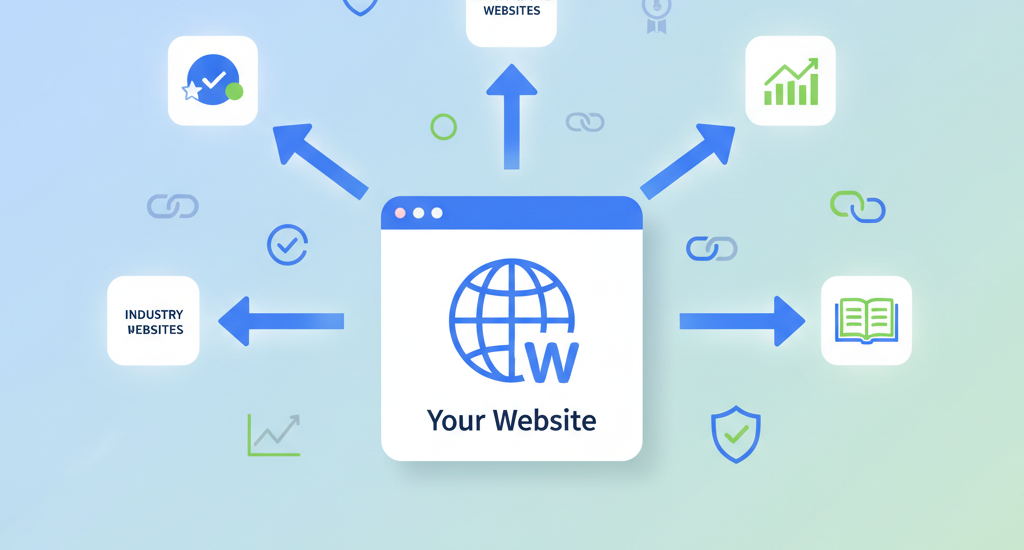
Many beginners ask: what are backlinks for SEO? Simply put, they are links from other websites pointing to yours. Think of them as digital recommendations or votes of confidence. When a reputable site links to your page, it tells Google your content is likely valuable and worth showing to searchers.
What Are Backlinks in SEO?
A backlink, also called an inbound link, is simply a hyperlink on one website that directs users to another site. When Website A links to a page on Website B, that counts as a backlink for Website B.
Search engines view these links as endorsements. If many trusted sites link to your content, it signals that your information is credible and helpful. This concept dates back to Google’s original PageRank algorithm, and it still plays a significant role today.
Backlinks differ from internal links (which stay within your own site) because they come from external sources. They help search engines discover new pages, understand context through anchor text, and evaluate overall site authority.
In short, what are backlinks for SEO? They act as trust signals that can influence how high your pages rank in search results, especially when the links are relevant and come from authoritative domains.
How Backlinks Work and Their Role in Search Rankings
Backlinks help search engines like Google determine which pages deserve visibility. When a high-quality site links to yours, it passes some “link equity” or link juice — a metaphorical boost in credibility.
However, not all backlinks carry the same weight. Factors such as the linking site’s authority, relevance to your niche, and the natural context of the link all matter. Google looks for editorial links — those given freely because the content is genuinely useful — rather than paid or manipulative ones.
Diversity in your link profile also helps. Links from many different domains across various sources look more natural than hundreds from one place. In 2026, relevance and topical authority have become even more important than sheer quantity.
Search engines use backlinks to understand relationships between sites and topics. A strong, natural backlink profile can improve indexing speed, boost rankings for competitive keywords, and increase referral traffic.
Different Types of Backlinks: Dofollow, Nofollow, and More
Not every backlink behaves the same way. Here are the main types you should know:
- Dofollow Backlinks: These are the most valuable for SEO. They allow search engines to follow the link and pass authority (link juice). Most natural editorial links fall into this category.
- Nofollow Backlinks: These include a rel=”nofollow” attribute. Search engines are instructed not to pass ranking value, though they can still bring traffic and help with discovery. Social media links, forum comments, and some paid links often use nofollow.
- UGC and Sponsored Links: User-generated content (UGC) and sponsored links have their own attributes. Google treats them carefully to avoid manipulation.
Other distinctions include:
- Contextual links (embedded naturally in content)
- Sitewide links (appear on every page — often less valuable)
- Image links
- Text links
Numbered list of backlink attributes that matter:
- Relevance between the linking site and your content
- Authority and trustworthiness of the referring domain
- Anchor text used (natural and varied is best)
- Placement on the page (in-content is usually stronger)
- Overall health of your link profile
A healthy mix of dofollow and nofollow links often looks most natural to search engines.
Why Quality Matters More Than Quantity in 2026
Gone are the days when spamming low-quality directories could boost rankings. Today, Google’s algorithms are smarter and penalize unnatural link patterns.
High-quality backlinks from relevant, authoritative sites in your industry carry far more weight. A single link from a respected publication can outperform dozens of links from low-authority blogs.
Focus on backlink quality indicators such as:
- Domain authority or rating of the linking site
- Topical relevance
- Traffic and real user engagement on the linking page
- Natural anchor text variation
Important sentence: In today’s SEO landscape, one relevant, editorial backlink from a trusted source is worth more than hundreds of generic or spammy links.
Building a natural link profile takes time, but it delivers long-term results without risking penalties.
Benefits of Building a Strong Backlink Profile
When done ethically, a solid backlink strategy offers multiple advantages:
- Higher Search Rankings: Quality inbound links remain a top ranking factor.
- Increased Domain Authority: Your site gains trust signals over time.
- Faster Indexing: Search engines discover and crawl your new pages more quickly.
- Referral Traffic: Visitors clicking through from other sites can become loyal readers or customers.
- Brand Exposure: Links on respected platforms put your name in front of new audiences.
- Topical Authority: Relevant links help establish your site as an expert in your niche.
These benefits compound. As your backlink quality improves, your overall SEO performance strengthens, often leading to more organic traffic and better conversion rates.
Bullet points summarizing key gains:
- Improved visibility in search results
- Stronger competitive edge
- Enhanced trustworthiness signals
- Long-term asset that keeps working
Practical Tips for Earning High-Quality Backlinks Naturally
Earning backlinks should focus on creating value rather than chasing links. Here are realistic approaches:
- Publish in-depth, original research or guides that others want to reference.
- Create helpful resources, infographics, or tools people naturally link to.
- Reach out to bloggers or journalists with genuine story ideas (digital PR).
- Guest post on reputable sites in your industry when it adds real value.
- Participate in roundups, interviews, or expert surveys.
- Fix broken links on relevant pages and suggest your content as a replacement.
- Build relationships through networking, conferences, or helpful comments.
Numbered list for beginners:
- Audit your existing content for link-worthy assets.
- Identify sites in your niche that link to similar content.
- Create something better or more up-to-date.
- Reach out politely with a helpful suggestion, not a hard sell.
- Track new links and monitor your overall link profile regularly.
Remember, the goal is sustainable link building through helpful content and genuine relationships.
Common Mistakes to Avoid with Backlinks
Many site owners harm their progress by making these errors:
- Buying links or using shady PBNs (private blog networks).
- Over-optimizing anchor text with exact-match keywords.
- Ignoring nofollow vs dofollow balance, leading to unnatural profiles.
- Focusing only on quantity instead of relevance and quality.
- Neglecting to diversify referring domains.
- Failing to disavow truly toxic or spammy links when necessary.
Avoid black-hat tactics. Google’s algorithms continue to improve at detecting manipulation, and penalties can hurt rankings for a long time.
Frequently Asked Questions (FAQ)
What are backlinks for SEO in simple terms? Backlinks are incoming links from other websites. They act as votes of confidence that help search engines assess your content’s credibility and authority.
Do nofollow backlinks help SEO? They don’t pass direct ranking power, but they can drive traffic, increase visibility, and contribute to a natural link profile.
How many backlinks do I need? There’s no magic number. Focus on quality and relevance rather than chasing a specific count. A few strong links often outperform many weak ones.
Are backlinks still important in 2026? Yes. While content quality and user experience matter greatly, high-quality backlinks remain a key trust and authority signal for rankings.
What is the best way to get backlinks? Create genuinely useful content that solves problems or provides unique insights. Promote it ethically and build real relationships in your industry.
Can I lose rankings from bad backlinks? Yes, if your profile contains many spammy or manipulative links. Use Google’s disavow tool sparingly and focus on earning clean links.
Conclusion
Understanding what are backlinks for SEO is essential for anyone serious about growing their website organically. Backlinks serve as powerful trust signals that help search engines determine which sites and pages deserve prominent placement in results.
In 2026, the rules emphasize quality, relevance, and natural growth over shortcuts. By creating valuable content, earning editorial links, and maintaining a healthy link profile, you can strengthen your site’s authority and enjoy better long-term visibility.
Start small. Audit your current backlinks, improve your best content, and focus on providing real value to your audience. Over time, quality inbound links will follow, supporting your broader SEO strategy and helping your site thrive.
Remember: SEO is a marathon, not a sprint. Invest in ethical practices, stay patient, and watch your efforts compound into stronger rankings and sustainable traffic.